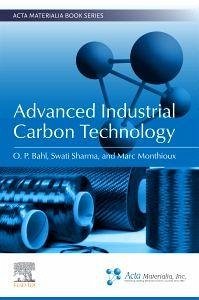
Advanced Industrial Carbon Technology offers a comprehensive overview of modern carbon materials and manufacturing technologies that are highly relevant to industry in the 21st century. It covers detailed preparation methods for various carbon materials, including graphite electrodes, isotropic graphite, non-graphitizable carbon, carbon nanomaterials, and notably, carbon fibers and their composites. It also offers specifications, comparisons, and applications of commercially available carbon materials from leading producers. Emphasis is placed on raw materials, synthesis processes, and…mehr
Advanced Industrial Carbon Technology offers a comprehensive overview of modern carbon materials and manufacturing technologies that are highly relevant to industry in the 21st century. It covers detailed preparation methods for various carbon materials, including graphite electrodes, isotropic graphite, non-graphitizable carbon, carbon nanomaterials, and notably, carbon fibers and their composites. It also offers specifications, comparisons, and applications of commercially available carbon materials from leading producers. Emphasis is placed on raw materials, synthesis processes, and necessary modifications to achieve superior quality carbon products. Drawing on extensive academic and industrial experience, the authors share their practical insights, solutions, and contributions to both research-oriented and industrial carbon technologies, providing readers with real-world applications and examples that highlight key concepts in effective technology transfer from academia to industry. This resource serves as a complete guide for beginners and advanced students, scholars, and industry professionals working with technologically significant carbon materials.
Dr. Om P. Bahl is currently the President of the Indian Carbon Society and an Emeritus Scientist in the Carbon Technology Unit at the Council Of Scientific and Industrial Research-National Physical Laboratory (CSIR-NPL), New Delhi. He has served on the Board of Directors of HEG Ltd and has been an R&D advisor to major scientific institutions and industries. Dr. Bahl served the United Nations as Chief Technical Advisor in Brazil in 1981 and as a UN Expert in Bulgaria, Romania, and Poland in 1988 and 1989. He has edited several books, published numerous research articles, and successfully developed and transferred various carbon-related technologies to reputable carbon industries in India. He holds eleven patents for various carbon-related technologies.
Inhaltsangabe
Part 1: Introduction to carbon materials 1. Carbon in the 21st century 2. Introduction to carbon materials: from bulk crystalline solids to nanomaterials 3. Allotropes of carbon 4. Hybridisation 5. Precursors for carbon preparation 6. Heat-treatment of organic materials 7 Effect of heat-treatment on properties of carbon 8 Nomenclature 9 General characterisation techniques 10 Overview of industrial applications of carbon 11 Conclusions and prospects References Part 2: Pitches 1. History of tar and pitch evolution 2. Production of coal tar pitch 3. Development of impregnating coal-tar pitch 4. Development of impregnating petroleum pitches 5. Mesophase development 6. Pitch shelf-life, storage and transportation 7. Testing of pitches 8. Toxic effects of pitch 9. Conclusions and prospects References Part 3: Extruded polycrystalline graphite 1. Background 2. Fabrication of graphite electrodes 3. Future trends 4. Testing/characterisation of graphite electrodes (astm standards) 5 Conclusions and prospects References Part 4: Carbon fibres 1. Introduction 2. Pan-based carbon fibres 3. Cellulose-based carbon fibres 4. Pitch-based carbon fibres 5. Vapour-grown carbon fibres (vgcfs) 6. Current trends and prospects 7. Conclusions References Part 5: Carbon fibre-based composites 1. Introduction 2. Manufacturing of carbon fibre-based composites 3. Mechanical properties of cfrps 4. Carbon/carbon composites 5. Applications and state-of-the-art 6. Recent advancements and challenges 7. Conclusions References Part 6: Isotropic graphites 1. Introduction 2. Preparation of isotropic graphites 3. Classification of isotropic graphites 4. Manufacturing of isotropic graphite (flow diagram) 5. Structure of isotropic graphite (datasheets from leading manufacturers) 6. Conclusion and prospects References Part 7: Non-graphitisable carbons 1. Introduction 2. Microstructure of non-graphitisable carbons 3 Characterisation of non-graphitisable carbons 4. Glass-like carbons (glassy carbons) 5. Porous and activated carbons 6. Carbon coatings 7. Conclusions and prospects References Part 8: Carbon nanoforms 1. Introduction 2. Three nanosized dimensions (0d nanoforms) 3. Two nanosized dimensions (1d nanoforms) 4. One nanosized dimension (2d nanoforms) 5. Conclusions References
Part 1: Introduction to carbon materials 1. Carbon in the 21st century 2. Introduction to carbon materials: from bulk crystalline solids to nanomaterials 3. Allotropes of carbon 4. Hybridisation 5. Precursors for carbon preparation 6. Heat-treatment of organic materials 7 Effect of heat-treatment on properties of carbon 8 Nomenclature 9 General characterisation techniques 10 Overview of industrial applications of carbon 11 Conclusions and prospects References Part 2: Pitches 1. History of tar and pitch evolution 2. Production of coal tar pitch 3. Development of impregnating coal-tar pitch 4. Development of impregnating petroleum pitches 5. Mesophase development 6. Pitch shelf-life, storage and transportation 7. Testing of pitches 8. Toxic effects of pitch 9. Conclusions and prospects References Part 3: Extruded polycrystalline graphite 1. Background 2. Fabrication of graphite electrodes 3. Future trends 4. Testing/characterisation of graphite electrodes (astm standards) 5 Conclusions and prospects References Part 4: Carbon fibres 1. Introduction 2. Pan-based carbon fibres 3. Cellulose-based carbon fibres 4. Pitch-based carbon fibres 5. Vapour-grown carbon fibres (vgcfs) 6. Current trends and prospects 7. Conclusions References Part 5: Carbon fibre-based composites 1. Introduction 2. Manufacturing of carbon fibre-based composites 3. Mechanical properties of cfrps 4. Carbon/carbon composites 5. Applications and state-of-the-art 6. Recent advancements and challenges 7. Conclusions References Part 6: Isotropic graphites 1. Introduction 2. Preparation of isotropic graphites 3. Classification of isotropic graphites 4. Manufacturing of isotropic graphite (flow diagram) 5. Structure of isotropic graphite (datasheets from leading manufacturers) 6. Conclusion and prospects References Part 7: Non-graphitisable carbons 1. Introduction 2. Microstructure of non-graphitisable carbons 3 Characterisation of non-graphitisable carbons 4. Glass-like carbons (glassy carbons) 5. Porous and activated carbons 6. Carbon coatings 7. Conclusions and prospects References Part 8: Carbon nanoforms 1. Introduction 2. Three nanosized dimensions (0d nanoforms) 3. Two nanosized dimensions (1d nanoforms) 4. One nanosized dimension (2d nanoforms) 5. Conclusions References
Es gelten unsere Allgemeinen Geschäftsbedingungen: www.buecher.de/agb
Impressum
www.buecher.de ist ein Internetauftritt der buecher.de internetstores GmbH
Geschäftsführung: Monica Sawhney | Roland Kölbl | Günter Hilger
Sitz der Gesellschaft: Batheyer Straße 115 - 117, 58099 Hagen
Postanschrift: Bürgermeister-Wegele-Str. 12, 86167 Augsburg
Amtsgericht Hagen HRB 13257
Steuernummer: 321/5800/1497
USt-IdNr: DE450055826