
Andere Kunden interessierten sich auch für
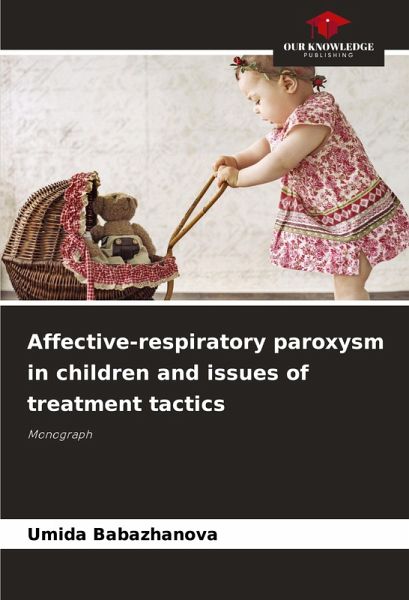
 Affective-respiratory paroxysm in children29,99 €
 Affective-respiratory paroxysm. Pathogenetic approach to treatment24,99 €
 IMPROVING TREATMENT TACTICS FOR PATIENTS33,99 €
 Issues surrounding childbirth in women with scarred uteruses40,99 €
 Osteoarthritis. Current Issues of Treatment24,99 €
 Current Issues of Epileptology39,99 €
 Ethical issues in intensive care29,99 €

Affective-respiratory paroxysm (ARP) in children is a non-epileptic paroxysmal disorder manifested by involuntary breath-holding, short-term loss of consciousness, and impaired motor activity caused by emotional or physical stimuli. The relevance of the problem is due to the high frequency of misdiagnosis of ARP as epilepsy, which can lead to unwarranted prescription of antiepileptic therapy and negative consequences for the neuropsychiatric development of the child. The monograph by U.T. Babazhanova explores etiopathogenesis, clinical manifestations and risk factors of ARP, and also proposes diagnostic methods and treatment tactics aimed at preventing complications and improving the quality of life of patients.