Andere Kunden interessierten sich auch für
 After The Divorce18,99 €
 After the Divorce29,99 €
 The Road to Providence20,99 €
 Under the Storks' Nest. A Romance30,99 €
 Under the Storks' Nest. A Romance69,90 €
 Under the Storks' Nest. A Romance49,90 €
 The Pagans19,99 €


Love and duty collide in a delicate tapestry of early twentieth-century Italy. A passion-tested romance novella that probes the costs of social expectations. This edition of After The Divorce: A Romance (Part I) presents a concise, moving examination of love and betrayal set against a rigid society. The story unfolds with intimate precision, exploring marriage critique, gender roles, and the consequences of divorce through characters whose loyalties are tested by family duty and personal longing. It is at once a tender romance and a sharp social mirror, inviting both casual readers and classic-literature collectors to read closely, discuss deeply, and return to its pages again. Historically, the work stands as a keystone of Italian literature, offering insight into how culture and class shape intimate decisions in the early twentieth century. It carries the resonance of a bygone era while remaining startlingly relevant to discussions of love, obligation, and the limits placed on individual choice. For book clubs and literary students, it provides rich terrain for debate on modern love, tradition, and the fragility of trust. Out of print for decades and now republished by Alpha Editions. Restored for today's and future generations. More than a reprint - a collector's item and a cultural treasure.
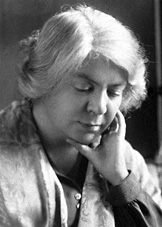
Grazia Deledda nasce a Nuoro nel 1871, in una famiglia di piccoli proprietari terrieri. Interrotti gli studi precocemente, la giovane Grazia approfondisce da autodidatta la sua passione per la letteratura, giungendo a pubblicare alcuni suoi racconti sulla rivista L¿Ultima Moda, a soli 19 anni. Nel 1900 si trasferisce a Roma con il marito, conosciuto a Cagliari l¿anno prima: rimarrà nella città fino alla morte, avvenuta nel 1936. E¿ proprio nella capitale che i suoi capolavori vedono la luce: Elias Portolu (1903), Cenere (1904), L¿Edera (1908), L¿incendio nell¿oliveto (1918), Il segreto di un uomo solitario (1914), Canne al vento (1913), Marianna Sirca (1915), Il Dio dei viventi (1922), e infine Cosima, pubblicato postumo. Ma è il 1926 a rappresentare una data significativa per la scrittrice, chiamata a ritirare il premio Nobel per la letteratura: Grazia Deledda, prima donna a ricevere tale onorificenza, fu premiata per la sua prosa idealisticamente ispirata che con chiarezza plastica dipinge la vita della sua isola nativa e con profondità e simpatia si confronta con i problemi umani in generale.