
Andere Kunden interessierten sich auch für
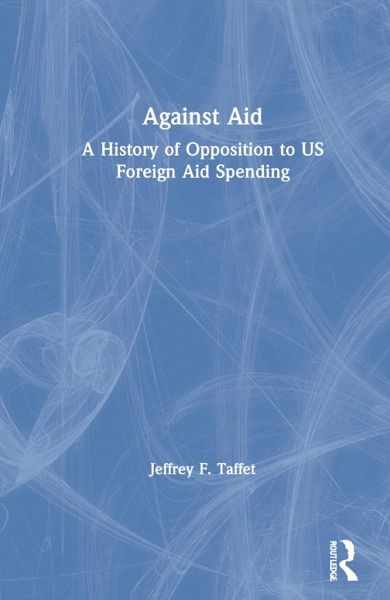
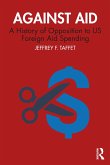
 Against Aid36,99 €
 Origins of the Cold War 1941-194938,99 €
 Reviewing the Cold War47,99 €
 The Historian's Toolbox141,99 €
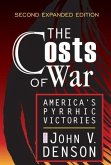
 The Costs of War47,99 €
 American Fear208,99 €
 American Isolationism Between the World Wars168,99 €



"Taffet's accessible and engaging study convincingly demonstrates that many Americans rejected the notion that US foreign aid during the Cold War could strengthen other societies or benefit the United States. Illuminating fierce legislative battles that frequently cut across party lines, Against Aid shows how opponents of foreign aid questioned the assumptions of American Cold War leadership, laying the foundation for current debates about US global engagement."
William Michael Schmidli, Associate Professor of History, Leiden University, The Netherlands
"Whether foreign aid achieves its stated goals is an open question among scholars and even among its proponents. Jeffrey Taffet shows that its skeptics rooted their doubts in a variety of soils, and their opposition to foreign aid reflected conflicting visions of the national mission in the latter half of the 'American Century.' This is a valuable volume, and is essential reading for anyone seeking to understand the 'soft power' of foreign aid in postwar American diplomacy."
Jason C. Parker, Professor of History, Texas A&M University, USA
"What is the ultimate purpose of US foreign relations? To vigorously spread US-style freedoms and democracy around the globe, and shoulder the responsibility that comes with that choice? Or pursue narrowly construed, specific US interests, cautiously avoiding possible foreign entanglements? Although the debate goes back nearly two centuries, today the conflict over foreign aid is arguably the best way of understanding it. As such, the enduring relevance of Jeffrey Taffet's excellently researched, well-written book is clear."
James F. Siekmeier, Associate Professor of History, West Virginia University, USA
William Michael Schmidli, Associate Professor of History, Leiden University, The Netherlands
"Whether foreign aid achieves its stated goals is an open question among scholars and even among its proponents. Jeffrey Taffet shows that its skeptics rooted their doubts in a variety of soils, and their opposition to foreign aid reflected conflicting visions of the national mission in the latter half of the 'American Century.' This is a valuable volume, and is essential reading for anyone seeking to understand the 'soft power' of foreign aid in postwar American diplomacy."
Jason C. Parker, Professor of History, Texas A&M University, USA
"What is the ultimate purpose of US foreign relations? To vigorously spread US-style freedoms and democracy around the globe, and shoulder the responsibility that comes with that choice? Or pursue narrowly construed, specific US interests, cautiously avoiding possible foreign entanglements? Although the debate goes back nearly two centuries, today the conflict over foreign aid is arguably the best way of understanding it. As such, the enduring relevance of Jeffrey Taffet's excellently researched, well-written book is clear."
James F. Siekmeier, Associate Professor of History, West Virginia University, USA