William Emerton Heitland, Unknown
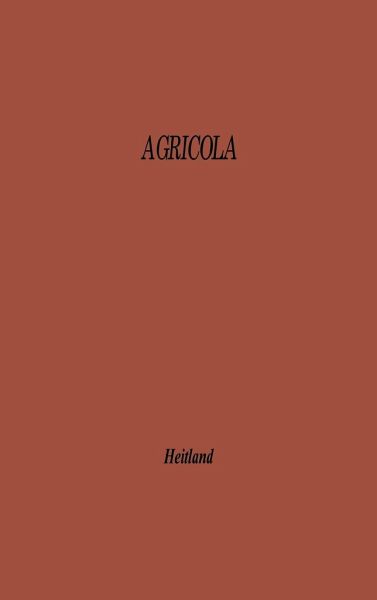
Agricola
A Study of Agriculture and Rustic Life in the Greco-Roman World from the Point of View of Labour
William Emerton Heitland, Unknown
Agricola
A Study of Agriculture and Rustic Life in the Greco-Roman World from the Point of View of Labour
- Gebundenes Buch
Andere Kunden interessierten sich auch für
James Phillips FletcherNotes From Nineveh: And Travels in Mesopotamia, Assyria and Syria; Volume II31,99 €
Vernon LeeThe Spirit of Rome9,49 €
David UrquhartThe Spirit of the East36,99 €
James Phillips FletcherNotes From Nineveh36,99 €
J. B. BuryThe Hellenistic Age14,99 €
Joseph SandalgianHistoire Documentaire De L'arménie Des Âges Du Paganisme (1410 Av.-305 Apr. J.-C.)36,99 €
Joseph SandalgianHistoire Documentaire De L'arménie Des Âges Du Paganisme (1410 Av.-305 Apr. J.-C.)36,99 €-
-
-
Produktdetails
- Verlag: Praeger
- Seitenzahl: 504
- Erscheinungstermin: 10. Dezember 1970
- Englisch
- Abmessung: 235mm x 157mm x 31mm
- Gewicht: 873g
- ISBN-13: 9780837140889
- ISBN-10: 0837140889
- Artikelnr.: 21244549
- Herstellerkennzeichnung
- Libri GmbH
- Europaallee 1
- 36244 Bad Hersfeld
- gpsr@libri.de
itland /f William /i Emerton
Preface
Introductory: 1. Evidence
2. Land and labour
Authorities in Detail - Greek: 3. The Iliad and Odyssey
4. Hesiod, works and days
5. Stray notes from early poets
6. Traces of serfdom in Greek states
7. Herodotus
8. The Tragedians
9. The 'Constitution of Athens' or 'Old Oligarch'
10. Aristophanes
11. Thucydides
12. Xenophon
13. The comic fragments
14. Early lawgivers and theorists
15. Plato
16. The earlier Attic orators
17. Aristotle
18. The later Attic orators
19. The Macedonian period and the Leagues
Rome - Early Period to 200 B.C.: 20. The traditions combined and discussed
21. Abstract of conclusions
Rome - Middle Period: 22. Introductory general view of period 200 BC-180 AD
23. Cato
24. Agriculture in the revolutionary period
25. Varro
26. Cicero
27. Sallust etc
Rome - the Empire: 28. Agriculture and agricultural labour under the Roman Empire. General introduction
Rome - Augustus to Nero: 29. Horace and Vergil
30. The Elder Seneca etc
31. Seneca the Younger
32. Lucan, Petronius, etc.
33. Columella
Age of the Flavian and Antonine Emperors: 34. General introduction
35. Musonius
36. Pliny the Elder
37. Tacitus
38. Frontinus
39. Inscriptions relative to Alimenta
40. Dion Chrysostom
41. New Testament writers
42. Martial and Juvenal
43. Pliny the Younger
44. Suetonius etc
45. Apuleius
Commodus to Diocletian: 46. General introduction
47. The African inscriptions
48. Discussion of the same
49. The jurists of the Digest
50. The later Colonate, its place in Roman history
From Diocletian: 51. General introduction
52. Libanius
53. Symmachus
54. Ammianus
55. Claudian
56. Vegetius
Christian Writers: 57. Lactantius
58. Sulpicius Severus
59. Salvian
60. Apollinaris Sidonius
61. Concluding chapter
Appendix
Indices.

Introductory: 1. Evidence
2. Land and labour
Authorities in Detail - Greek: 3. The Iliad and Odyssey
4. Hesiod, works and days
5. Stray notes from early poets
6. Traces of serfdom in Greek states
7. Herodotus
8. The Tragedians
9. The 'Constitution of Athens' or 'Old Oligarch'
10. Aristophanes
11. Thucydides
12. Xenophon
13. The comic fragments
14. Early lawgivers and theorists
15. Plato
16. The earlier Attic orators
17. Aristotle
18. The later Attic orators
19. The Macedonian period and the Leagues
Rome - Early Period to 200 B.C.: 20. The traditions combined and discussed
21. Abstract of conclusions
Rome - Middle Period: 22. Introductory general view of period 200 BC-180 AD
23. Cato
24. Agriculture in the revolutionary period
25. Varro
26. Cicero
27. Sallust etc
Rome - the Empire: 28. Agriculture and agricultural labour under the Roman Empire. General introduction
Rome - Augustus to Nero: 29. Horace and Vergil
30. The Elder Seneca etc
31. Seneca the Younger
32. Lucan, Petronius, etc.
33. Columella
Age of the Flavian and Antonine Emperors: 34. General introduction
35. Musonius
36. Pliny the Elder
37. Tacitus
38. Frontinus
39. Inscriptions relative to Alimenta
40. Dion Chrysostom
41. New Testament writers
42. Martial and Juvenal
43. Pliny the Younger
44. Suetonius etc
45. Apuleius
Commodus to Diocletian: 46. General introduction
47. The African inscriptions
48. Discussion of the same
49. The jurists of the Digest
50. The later Colonate, its place in Roman history
From Diocletian: 51. General introduction
52. Libanius
53. Symmachus
54. Ammianus
55. Claudian
56. Vegetius
Christian Writers: 57. Lactantius
58. Sulpicius Severus
59. Salvian
60. Apollinaris Sidonius
61. Concluding chapter
Appendix
Indices.
Preface
Introductory: 1. Evidence
2. Land and labour
Authorities in Detail - Greek: 3. The Iliad and Odyssey
4. Hesiod, works and days
5. Stray notes from early poets
6. Traces of serfdom in Greek states
7. Herodotus
8. The Tragedians
9. The 'Constitution of Athens' or 'Old Oligarch'
10. Aristophanes
11. Thucydides
12. Xenophon
13. The comic fragments
14. Early lawgivers and theorists
15. Plato
16. The earlier Attic orators
17. Aristotle
18. The later Attic orators
19. The Macedonian period and the Leagues
Rome - Early Period to 200 B.C.: 20. The traditions combined and discussed
21. Abstract of conclusions
Rome - Middle Period: 22. Introductory general view of period 200 BC-180 AD
23. Cato
24. Agriculture in the revolutionary period
25. Varro
26. Cicero
27. Sallust etc
Rome - the Empire: 28. Agriculture and agricultural labour under the Roman Empire. General introduction
Rome - Augustus to Nero: 29. Horace and Vergil
30. The Elder Seneca etc
31. Seneca the Younger
32. Lucan, Petronius, etc.
33. Columella
Age of the Flavian and Antonine Emperors: 34. General introduction
35. Musonius
36. Pliny the Elder
37. Tacitus
38. Frontinus
39. Inscriptions relative to Alimenta
40. Dion Chrysostom
41. New Testament writers
42. Martial and Juvenal
43. Pliny the Younger
44. Suetonius etc
45. Apuleius
Commodus to Diocletian: 46. General introduction
47. The African inscriptions
48. Discussion of the same
49. The jurists of the Digest
50. The later Colonate, its place in Roman history
From Diocletian: 51. General introduction
52. Libanius
53. Symmachus
54. Ammianus
55. Claudian
56. Vegetius
Christian Writers: 57. Lactantius
58. Sulpicius Severus
59. Salvian
60. Apollinaris Sidonius
61. Concluding chapter
Appendix
Indices.
Introductory: 1. Evidence
2. Land and labour
Authorities in Detail - Greek: 3. The Iliad and Odyssey
4. Hesiod, works and days
5. Stray notes from early poets
6. Traces of serfdom in Greek states
7. Herodotus
8. The Tragedians
9. The 'Constitution of Athens' or 'Old Oligarch'
10. Aristophanes
11. Thucydides
12. Xenophon
13. The comic fragments
14. Early lawgivers and theorists
15. Plato
16. The earlier Attic orators
17. Aristotle
18. The later Attic orators
19. The Macedonian period and the Leagues
Rome - Early Period to 200 B.C.: 20. The traditions combined and discussed
21. Abstract of conclusions
Rome - Middle Period: 22. Introductory general view of period 200 BC-180 AD
23. Cato
24. Agriculture in the revolutionary period
25. Varro
26. Cicero
27. Sallust etc
Rome - the Empire: 28. Agriculture and agricultural labour under the Roman Empire. General introduction
Rome - Augustus to Nero: 29. Horace and Vergil
30. The Elder Seneca etc
31. Seneca the Younger
32. Lucan, Petronius, etc.
33. Columella
Age of the Flavian and Antonine Emperors: 34. General introduction
35. Musonius
36. Pliny the Elder
37. Tacitus
38. Frontinus
39. Inscriptions relative to Alimenta
40. Dion Chrysostom
41. New Testament writers
42. Martial and Juvenal
43. Pliny the Younger
44. Suetonius etc
45. Apuleius
Commodus to Diocletian: 46. General introduction
47. The African inscriptions
48. Discussion of the same
49. The jurists of the Digest
50. The later Colonate, its place in Roman history
From Diocletian: 51. General introduction
52. Libanius
53. Symmachus
54. Ammianus
55. Claudian
56. Vegetius
Christian Writers: 57. Lactantius
58. Sulpicius Severus
59. Salvian
60. Apollinaris Sidonius
61. Concluding chapter
Appendix
Indices.