
Andere Kunden interessierten sich auch für
 The Wild Unknown Pocket Tarot13,79 €
 Sacred Destiny Oracle: A 52-Card Deck to Discover the Landscape of Your Soul16,99 €
 The Invisible Landscape12,99 €
 Happiness and Well-Being17,50 €
 Youth and Media Culture. A Study on Church's Response from a Salesian Perspective52,95 €
 Bible Mystery and Bible Meaning10,20 €
 Evaluating the Claim: Maximum 30% of Production Benefits Society, GDP Limitations, and Infrastructure as a Complementary16,99 €



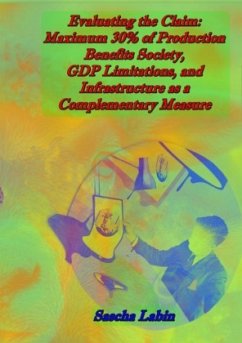
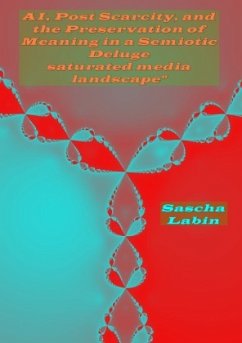
This book argues that the safest and most beneficial development of artificial intelligence (AI) depends fundamentally on the emergence of a post-scarcity society-one in which abundant, sustainably managed resources eliminate the competitive pressures that currently drive reckless AI innovation and magnify existential risks. It reveals how scarcity-driven dynamics fuel risky AI races, exacerbate social inequalities, amplify environmental harm, and contribute to cultural erosion through overwhelming AI-generated content, termed the "semiotic deluge." By situating AI within the broader economic and social context, the book demonstrates that only in a post-scarcity environment can AI development be guided by collaborative governance, ethical transparency, and meaningful oversight. This setting alleviates incentives for dangerous shortcuts, enables more patient and inclusive alignment research, and supports ecological sustainability despite AI's growing resource demands. Drawing on the insights of leading AI thinkers and integrating visions for sustainable infrastructure -including renewable energy, regenerative urban food systems, and resilient analog safeguards- the work presents a comprehensive framework for reducing AI's most profound risks. It contends that without post-scarcity, AI's promise risks being overshadowed by catastrophic failures, making the transition to abundance not just desirable but essential for a safe technological future. This book takes one of the core ideas of the book "Postscarcity: a goal, a tool & a mindset" by the same author and develops it in more depth.