
Andere Kunden interessierten sich auch für
 American Chinatowns137,99 €
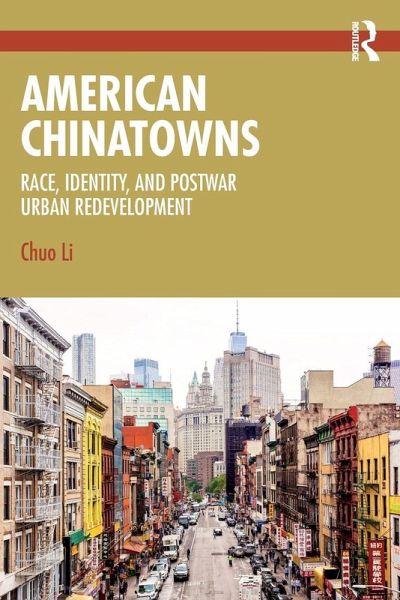
 Advanced Quantitative Research Methods for Urban Planners113,99 €
 Displaced Urbanism137,99 €
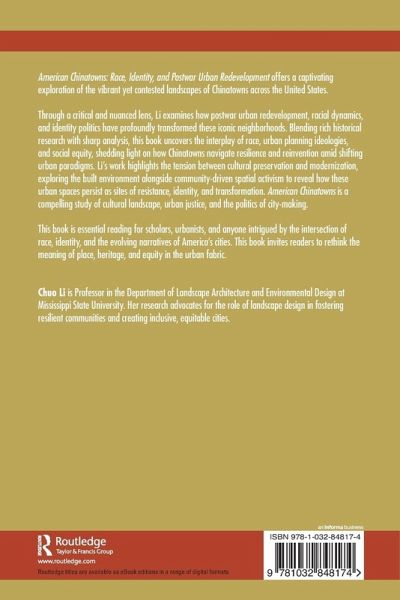
 Injustice in Urban Sustainability19,99 €
 Exclusion in Smart Cities137,99 €
 Building and Dwelling11,99 €
 Integrated Urban Models Volume 246,99 €

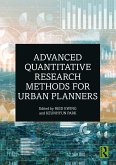



American Chinatowns: Race, Identity, and Postwar Urban Redevelopment offers a captivating exploration of the vibrant yet contested landscapes of Chinatowns across the United States.
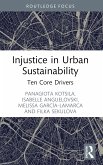
Through a critical and nuanced lens, Li examines how postwar urban redevelopment, racial dynamics, and identity politics have profoundly transformed these iconic neighborhoods. Blending rich historical research with sharp analysis, this book uncovers the interplay of race, urban planning ideologies, and social equity, shedding light on how Chinatowns navigate resilience and reinvention amid shifting urban paradigms. Li's work highlights the tension between cultural preservation and modernization, exploring the built environment alongside community-driven spatial activism to reveal how these urban spaces persist as sites of resistance, identity, and transformation. American Chinatowns is a compelling study of cultural landscape, urban justice, and the politics of city-making.
This book is essential reading for scholars, urbanists, and anyone intrigued by the intersection of race, identity, and the evolving narratives of America's cities. This book invites readers to rethink the meaning of place, heritage, and equity in the urban fabric.
Through a critical and nuanced lens, Li examines how postwar urban redevelopment, racial dynamics, and identity politics have profoundly transformed these iconic neighborhoods. Blending rich historical research with sharp analysis, this book uncovers the interplay of race, urban planning ideologies, and social equity, shedding light on how Chinatowns navigate resilience and reinvention amid shifting urban paradigms. Li's work highlights the tension between cultural preservation and modernization, exploring the built environment alongside community-driven spatial activism to reveal how these urban spaces persist as sites of resistance, identity, and transformation. American Chinatowns is a compelling study of cultural landscape, urban justice, and the politics of city-making.
This book is essential reading for scholars, urbanists, and anyone intrigued by the intersection of race, identity, and the evolving narratives of America's cities. This book invites readers to rethink the meaning of place, heritage, and equity in the urban fabric.