
- Gebundenes Buch
- Merkliste
- Auf die Merkliste
- Bewerten Bewerten
- Teilen
- Produkt teilen
- Produkterinnerung
- Produkterinnerung
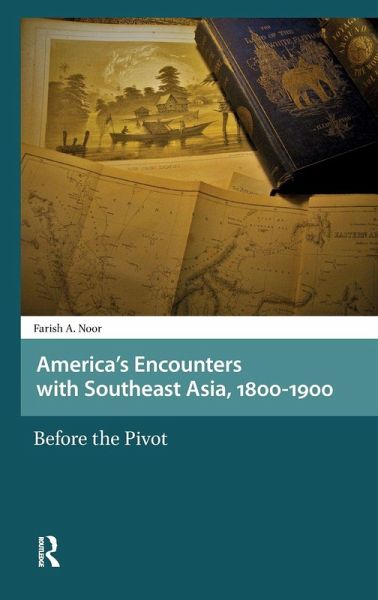
This book looks at the writings of American diplomats, adventurers, and scientists and chronicles how nineteenth-century Americans viewed and imagined Southeast Asia through their own cultural-political lenses.
Andere Kunden interessierten sich auch für
 Early Modern Southeast Asia, 1350-1800187,99 €
 Portuguese and Luso-Asian Legacies in Southeast Asia, 1511-2011, Vol. 153,99 €
 Barbara Watson AndayaA History of Early Modern Southeast Asia, 1400-1830105,99 €
 Juliet PietschMigration and Integration in Europe, Southeast Asia, and Australia141,99 €
 Ang Cheng GuanThe Southeast Asia Treaty Organisation179,99 €
 Nicholas TarlingRegionalism in Southeast Asia58,99 €
 George McT. KahinSoutheast Asia64,99 €
-
-
-



This book looks at the writings of American diplomats, adventurers, and scientists and chronicles how nineteenth-century Americans viewed and imagined Southeast Asia through their own cultural-political lenses.
Produktdetails
- Produktdetails
- Verlag: Routledge
- Seitenzahl: 274
- Erscheinungstermin: 23. Mai 2018
- Englisch
- Abmessung: 240mm x 161mm x 19mm
- Gewicht: 578g
- ISBN-13: 9789462985629
- ISBN-10: 9462985626
- Artikelnr.: 49567854
- Herstellerkennzeichnung
- Libri GmbH
- Europaallee 1
- 36244 Bad Hersfeld
- gpsr@libri.de
- Verlag: Routledge
- Seitenzahl: 274
- Erscheinungstermin: 23. Mai 2018
- Englisch
- Abmessung: 240mm x 161mm x 19mm
- Gewicht: 578g
- ISBN-13: 9789462985629
- ISBN-10: 9462985626
- Artikelnr.: 49567854
- Herstellerkennzeichnung
- Libri GmbH
- Europaallee 1
- 36244 Bad Hersfeld
- gpsr@libri.de
Farish A. Noor is Professor of Political History at the Faculty of Social Science FOSS, Universitas Islam Internasional Indonesia UIII. His work has focused on 19th century colonial Southeast Asia, looking at the modalities of racialised colonial-capitalism in the region. His recent works include Peta dan Kekuasaan (Mapping and Power, Lestari Hikmah, 2025), Data-Collecting in 19th Century Colonial Southeast Asia (Amsterdam University Press, 2020) and America's Encounters with Southeast Asia 1800-1900 (Amsterdam University Press, 2018).
Introduction: The Eagle in the Indies: America's early encounters with
Southeast Asia, and how Southeast Asia was imagined in the 19th century. A
book about books, and why books matter. Chapter 1. The Curtain Rises:
America's Independence and The Birth of a New Naval Power. 1.I. 'To be
considered as Actors on a most conspicuous Theatre': America's genesis and
the world beyond. 1.II. The Birth of a New Naval Power 1.III. Between
Expansionism and Isolationism: America's neutrality tested. 1.IV. Marking
borders and stepping out: Southeast Asia Awaits. Chapter 2. Pepper and
Gunboats: The Kuala Batu Affair and America's First Gunboat Action in
Southeast Asia. 2.I. Boom! America's Pepper Rush begins. 2.II. Not so
friendly after all: The Attack on the American Merchant Vessel Friendship.
2.III. 'You are authorized to vindicate our wrongs': America's first attack
in Southeast Asia. 2.IV. Drama Awaits: The controversy over the Kuala Batu
affair back home in America. 2.V. 'Conducted in a desultory manner':
Francis Warriner's account of the Kuala Batu Attack. 2.VI. 'We have made no
conquests, dethroned no Sultans': Jeremiah Reynolds' defence of American
aggression. 2.VII. Far from the Madding Crowd: Embedded Writers and the
Beginnings of American Scholarship on Southeast Asia. Chapter 3. Friends,
but not Equals: Edmund Roberts' mission to Siam and the Birth of American
Orientalism. 3.I. In Search of Friends: America's mission to Siam. 3.II.
'Not a single vessel of war was to be seen': Roberts' Mission to secure a
friend for America. 3.III. The great unknown: Edmund Roberts' arrival in
Siam. 3.IV. The American Eagle and the British Lion: 'Frienemies' in the
Indies. 3.V. Regarding the feeble, un-Christian Other: Oppositional
dialectics in Roberts' narrative. 3.VI. Edmund Roberts as the American
Orientalist. Chapter 4. 'It was a scene of grandeur in destruction': Fitch
W. Taylor and America's Second Attack on Sumatra in 1838. 4.I. Boom! Back
to Sumatra we go. 4.II. 'May a merciful as well as a just God direct':
Fitch Taylor's Christian Universe. 4.III. Finding Comfort in the Familiar:
Fitch Taylor's deliberate blindness. Chapter 5. Flirting with Danger:
Walter Murray Gibson, The American Nobody Wanted. 5.I. From Sea to Shining
Sea: America's Expansion and Consolidation in the 1840s and 1850s. 5.II.
'Jealousy had met me at the threshold of Netherland India': Walter Murray
Gibson's misadventure in Sumatra. 5.III. Will no one rid me of this
troublesome man? The Walter Gibson Affair and its Impact on American-Dutch
Relations. 5.IV. Those who can't do, write fiction: Walter Gibson as
American Orientalist. 5.V. The Filibuster's Demise: Gibson's final Pacific
adventure. Chapter 6. It is your shells I am after: Albert S. Bickmore's
Voyage to the East Indies And America's Coming of Age. 6.I. From Antebellum
to Post-Civil War United States: Another America Rises. 6.II. All for the
Sake of Knowledge: Bickmore's Scientific Jaunt across the Dutch East
Indies. 6.III. 'This indicates their low rank in the human family':
Bickmore and the Theory of Racial Difference. 6.IV. Albert Bickmore's
Adventure in Conchology and America's entry into the club of Civilized
Western Nations. Chapter 7. Empire at Last: America's Arrival as a Colonial
Power in Southeast Asia. 7.I. Travelling in the Shade of Empire: American
Tourists and Amateurs in Southeast Asia. 7.II. That other Great Game to the
East: America's rise as a Colonial Power from 1898. Chapter 8. Conclusion:
American Orientalism in Southeast Asia. 8.I. American Orientalism: The
contours of a New Language-Game, and its Users. 8.II. The Gathering of
Minds: How the echo chamber was formed. 8.III. 'Indians', Indians, Asians,
and the Disabled Native Other. 8.IV. Talking to themselves: American works
on Southeast Asia as self-referential texts. 8.V. The Stories We Tell:
America and Southeast Asia's entanglement, then and now. Appendix A: The
treaty.
Southeast Asia, and how Southeast Asia was imagined in the 19th century. A
book about books, and why books matter. Chapter 1. The Curtain Rises:
America's Independence and The Birth of a New Naval Power. 1.I. 'To be
considered as Actors on a most conspicuous Theatre': America's genesis and
the world beyond. 1.II. The Birth of a New Naval Power 1.III. Between
Expansionism and Isolationism: America's neutrality tested. 1.IV. Marking
borders and stepping out: Southeast Asia Awaits. Chapter 2. Pepper and
Gunboats: The Kuala Batu Affair and America's First Gunboat Action in
Southeast Asia. 2.I. Boom! America's Pepper Rush begins. 2.II. Not so
friendly after all: The Attack on the American Merchant Vessel Friendship.
2.III. 'You are authorized to vindicate our wrongs': America's first attack
in Southeast Asia. 2.IV. Drama Awaits: The controversy over the Kuala Batu
affair back home in America. 2.V. 'Conducted in a desultory manner':
Francis Warriner's account of the Kuala Batu Attack. 2.VI. 'We have made no
conquests, dethroned no Sultans': Jeremiah Reynolds' defence of American
aggression. 2.VII. Far from the Madding Crowd: Embedded Writers and the
Beginnings of American Scholarship on Southeast Asia. Chapter 3. Friends,
but not Equals: Edmund Roberts' mission to Siam and the Birth of American
Orientalism. 3.I. In Search of Friends: America's mission to Siam. 3.II.
'Not a single vessel of war was to be seen': Roberts' Mission to secure a
friend for America. 3.III. The great unknown: Edmund Roberts' arrival in
Siam. 3.IV. The American Eagle and the British Lion: 'Frienemies' in the
Indies. 3.V. Regarding the feeble, un-Christian Other: Oppositional
dialectics in Roberts' narrative. 3.VI. Edmund Roberts as the American
Orientalist. Chapter 4. 'It was a scene of grandeur in destruction': Fitch
W. Taylor and America's Second Attack on Sumatra in 1838. 4.I. Boom! Back
to Sumatra we go. 4.II. 'May a merciful as well as a just God direct':
Fitch Taylor's Christian Universe. 4.III. Finding Comfort in the Familiar:
Fitch Taylor's deliberate blindness. Chapter 5. Flirting with Danger:
Walter Murray Gibson, The American Nobody Wanted. 5.I. From Sea to Shining
Sea: America's Expansion and Consolidation in the 1840s and 1850s. 5.II.
'Jealousy had met me at the threshold of Netherland India': Walter Murray
Gibson's misadventure in Sumatra. 5.III. Will no one rid me of this
troublesome man? The Walter Gibson Affair and its Impact on American-Dutch
Relations. 5.IV. Those who can't do, write fiction: Walter Gibson as
American Orientalist. 5.V. The Filibuster's Demise: Gibson's final Pacific
adventure. Chapter 6. It is your shells I am after: Albert S. Bickmore's
Voyage to the East Indies And America's Coming of Age. 6.I. From Antebellum
to Post-Civil War United States: Another America Rises. 6.II. All for the
Sake of Knowledge: Bickmore's Scientific Jaunt across the Dutch East
Indies. 6.III. 'This indicates their low rank in the human family':
Bickmore and the Theory of Racial Difference. 6.IV. Albert Bickmore's
Adventure in Conchology and America's entry into the club of Civilized
Western Nations. Chapter 7. Empire at Last: America's Arrival as a Colonial
Power in Southeast Asia. 7.I. Travelling in the Shade of Empire: American
Tourists and Amateurs in Southeast Asia. 7.II. That other Great Game to the
East: America's rise as a Colonial Power from 1898. Chapter 8. Conclusion:
American Orientalism in Southeast Asia. 8.I. American Orientalism: The
contours of a New Language-Game, and its Users. 8.II. The Gathering of
Minds: How the echo chamber was formed. 8.III. 'Indians', Indians, Asians,
and the Disabled Native Other. 8.IV. Talking to themselves: American works
on Southeast Asia as self-referential texts. 8.V. The Stories We Tell:
America and Southeast Asia's entanglement, then and now. Appendix A: The
treaty.
Introduction: The Eagle in the Indies: America's early encounters with
Southeast Asia, and how Southeast Asia was imagined in the 19th century. A
book about books, and why books matter. Chapter 1. The Curtain Rises:
America's Independence and The Birth of a New Naval Power. 1.I. 'To be
considered as Actors on a most conspicuous Theatre': America's genesis and
the world beyond. 1.II. The Birth of a New Naval Power 1.III. Between
Expansionism and Isolationism: America's neutrality tested. 1.IV. Marking
borders and stepping out: Southeast Asia Awaits. Chapter 2. Pepper and
Gunboats: The Kuala Batu Affair and America's First Gunboat Action in
Southeast Asia. 2.I. Boom! America's Pepper Rush begins. 2.II. Not so
friendly after all: The Attack on the American Merchant Vessel Friendship.
2.III. 'You are authorized to vindicate our wrongs': America's first attack
in Southeast Asia. 2.IV. Drama Awaits: The controversy over the Kuala Batu
affair back home in America. 2.V. 'Conducted in a desultory manner':
Francis Warriner's account of the Kuala Batu Attack. 2.VI. 'We have made no
conquests, dethroned no Sultans': Jeremiah Reynolds' defence of American
aggression. 2.VII. Far from the Madding Crowd: Embedded Writers and the
Beginnings of American Scholarship on Southeast Asia. Chapter 3. Friends,
but not Equals: Edmund Roberts' mission to Siam and the Birth of American
Orientalism. 3.I. In Search of Friends: America's mission to Siam. 3.II.
'Not a single vessel of war was to be seen': Roberts' Mission to secure a
friend for America. 3.III. The great unknown: Edmund Roberts' arrival in
Siam. 3.IV. The American Eagle and the British Lion: 'Frienemies' in the
Indies. 3.V. Regarding the feeble, un-Christian Other: Oppositional
dialectics in Roberts' narrative. 3.VI. Edmund Roberts as the American
Orientalist. Chapter 4. 'It was a scene of grandeur in destruction': Fitch
W. Taylor and America's Second Attack on Sumatra in 1838. 4.I. Boom! Back
to Sumatra we go. 4.II. 'May a merciful as well as a just God direct':
Fitch Taylor's Christian Universe. 4.III. Finding Comfort in the Familiar:
Fitch Taylor's deliberate blindness. Chapter 5. Flirting with Danger:
Walter Murray Gibson, The American Nobody Wanted. 5.I. From Sea to Shining
Sea: America's Expansion and Consolidation in the 1840s and 1850s. 5.II.
'Jealousy had met me at the threshold of Netherland India': Walter Murray
Gibson's misadventure in Sumatra. 5.III. Will no one rid me of this
troublesome man? The Walter Gibson Affair and its Impact on American-Dutch
Relations. 5.IV. Those who can't do, write fiction: Walter Gibson as
American Orientalist. 5.V. The Filibuster's Demise: Gibson's final Pacific
adventure. Chapter 6. It is your shells I am after: Albert S. Bickmore's
Voyage to the East Indies And America's Coming of Age. 6.I. From Antebellum
to Post-Civil War United States: Another America Rises. 6.II. All for the
Sake of Knowledge: Bickmore's Scientific Jaunt across the Dutch East
Indies. 6.III. 'This indicates their low rank in the human family':
Bickmore and the Theory of Racial Difference. 6.IV. Albert Bickmore's
Adventure in Conchology and America's entry into the club of Civilized
Western Nations. Chapter 7. Empire at Last: America's Arrival as a Colonial
Power in Southeast Asia. 7.I. Travelling in the Shade of Empire: American
Tourists and Amateurs in Southeast Asia. 7.II. That other Great Game to the
East: America's rise as a Colonial Power from 1898. Chapter 8. Conclusion:
American Orientalism in Southeast Asia. 8.I. American Orientalism: The
contours of a New Language-Game, and its Users. 8.II. The Gathering of
Minds: How the echo chamber was formed. 8.III. 'Indians', Indians, Asians,
and the Disabled Native Other. 8.IV. Talking to themselves: American works
on Southeast Asia as self-referential texts. 8.V. The Stories We Tell:
America and Southeast Asia's entanglement, then and now. Appendix A: The
treaty.
Southeast Asia, and how Southeast Asia was imagined in the 19th century. A
book about books, and why books matter. Chapter 1. The Curtain Rises:
America's Independence and The Birth of a New Naval Power. 1.I. 'To be
considered as Actors on a most conspicuous Theatre': America's genesis and
the world beyond. 1.II. The Birth of a New Naval Power 1.III. Between
Expansionism and Isolationism: America's neutrality tested. 1.IV. Marking
borders and stepping out: Southeast Asia Awaits. Chapter 2. Pepper and
Gunboats: The Kuala Batu Affair and America's First Gunboat Action in
Southeast Asia. 2.I. Boom! America's Pepper Rush begins. 2.II. Not so
friendly after all: The Attack on the American Merchant Vessel Friendship.
2.III. 'You are authorized to vindicate our wrongs': America's first attack
in Southeast Asia. 2.IV. Drama Awaits: The controversy over the Kuala Batu
affair back home in America. 2.V. 'Conducted in a desultory manner':
Francis Warriner's account of the Kuala Batu Attack. 2.VI. 'We have made no
conquests, dethroned no Sultans': Jeremiah Reynolds' defence of American
aggression. 2.VII. Far from the Madding Crowd: Embedded Writers and the
Beginnings of American Scholarship on Southeast Asia. Chapter 3. Friends,
but not Equals: Edmund Roberts' mission to Siam and the Birth of American
Orientalism. 3.I. In Search of Friends: America's mission to Siam. 3.II.
'Not a single vessel of war was to be seen': Roberts' Mission to secure a
friend for America. 3.III. The great unknown: Edmund Roberts' arrival in
Siam. 3.IV. The American Eagle and the British Lion: 'Frienemies' in the
Indies. 3.V. Regarding the feeble, un-Christian Other: Oppositional
dialectics in Roberts' narrative. 3.VI. Edmund Roberts as the American
Orientalist. Chapter 4. 'It was a scene of grandeur in destruction': Fitch
W. Taylor and America's Second Attack on Sumatra in 1838. 4.I. Boom! Back
to Sumatra we go. 4.II. 'May a merciful as well as a just God direct':
Fitch Taylor's Christian Universe. 4.III. Finding Comfort in the Familiar:
Fitch Taylor's deliberate blindness. Chapter 5. Flirting with Danger:
Walter Murray Gibson, The American Nobody Wanted. 5.I. From Sea to Shining
Sea: America's Expansion and Consolidation in the 1840s and 1850s. 5.II.
'Jealousy had met me at the threshold of Netherland India': Walter Murray
Gibson's misadventure in Sumatra. 5.III. Will no one rid me of this
troublesome man? The Walter Gibson Affair and its Impact on American-Dutch
Relations. 5.IV. Those who can't do, write fiction: Walter Gibson as
American Orientalist. 5.V. The Filibuster's Demise: Gibson's final Pacific
adventure. Chapter 6. It is your shells I am after: Albert S. Bickmore's
Voyage to the East Indies And America's Coming of Age. 6.I. From Antebellum
to Post-Civil War United States: Another America Rises. 6.II. All for the
Sake of Knowledge: Bickmore's Scientific Jaunt across the Dutch East
Indies. 6.III. 'This indicates their low rank in the human family':
Bickmore and the Theory of Racial Difference. 6.IV. Albert Bickmore's
Adventure in Conchology and America's entry into the club of Civilized
Western Nations. Chapter 7. Empire at Last: America's Arrival as a Colonial
Power in Southeast Asia. 7.I. Travelling in the Shade of Empire: American
Tourists and Amateurs in Southeast Asia. 7.II. That other Great Game to the
East: America's rise as a Colonial Power from 1898. Chapter 8. Conclusion:
American Orientalism in Southeast Asia. 8.I. American Orientalism: The
contours of a New Language-Game, and its Users. 8.II. The Gathering of
Minds: How the echo chamber was formed. 8.III. 'Indians', Indians, Asians,
and the Disabled Native Other. 8.IV. Talking to themselves: American works
on Southeast Asia as self-referential texts. 8.V. The Stories We Tell:
America and Southeast Asia's entanglement, then and now. Appendix A: The
treaty.