
Andere Kunden interessierten sich auch für
 People of Guinea-Bissau in Contemporary Times") Dances of the Brasa (Balanta) People of Guinea-Bissau in Contemporary Times16,99 €
Dances of the Brasa (Balanta) People of Guinea-Bissau in Contemporary Times16,99 € Subsidios Para a Historia De Cabo Verde E Guiné32,99 €
 The Eritrean Struggle for Independence82,99 €
 Relatorio D'Alguns Accontecimentos Notaveis Em Cabo-Verde E Resposta a Differentes Accusaçoens Feitas Contra O Brigadeiro Joaquim Pereira Marinho, Off29,99 €
 Memoria Hydrografica Das Ilhas De Cabo Verde29,99 €
 Subsidios Para a Historia De Cabo Verde E Guiné33,99 €
 Relatorio Do Governo Geral Da Provincia De Cabo Verde Pelo Governador Geral João Cesario De Lacerda, 1898...27,99 €
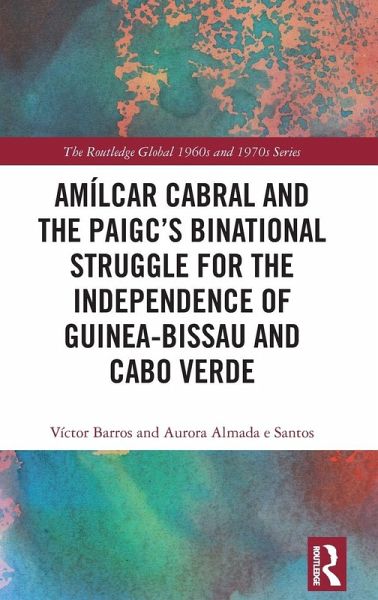
The struggle for independence of Guinea-Bissau and Cabo Verde was shaped by a multiplicity of interactions and connections. Because of the intimate association between the African Party for the Independence of Guinea and Cabo Verde (PAIGC - Partido Africano da Independência da Guiné e Cabo Verde) and Amílcar Cabral's leadership, the existing scholarship has been discussing the fight led by the liberation movement and its Secretary-General's role within a single analytical framework. While much has been written, most studies fail to break the many historiographical silences still existing around the subject. Amílcar Cabral and the PAIGC's Binational Struggle for the Independence of Guinea-Bissau and Cabo Verde intends to evince a multiplicity of analytical itineraries through which Cabral's figure can contribute to understand the rise to statehood of both territories and the construction of memory of the anti-colonial struggle.