
Andere Kunden interessierten sich auch für
 Urban Freight Transportation Systems83,99 €
 Intermodal Freight Transportation83,99 €
 Practical Management of the Logistics Chain and Port Activities24,99 €
 Organization of a network of logistics centers40,99 €
 Logistics and transport jobs55,99 €
 IMPROVEMENT OF THE TECHNOLOGY OF TRANSPORT AND LOGISTICS CENTERS OPERATION37,99 €
 Drones as a means of transporting goods27,99 €
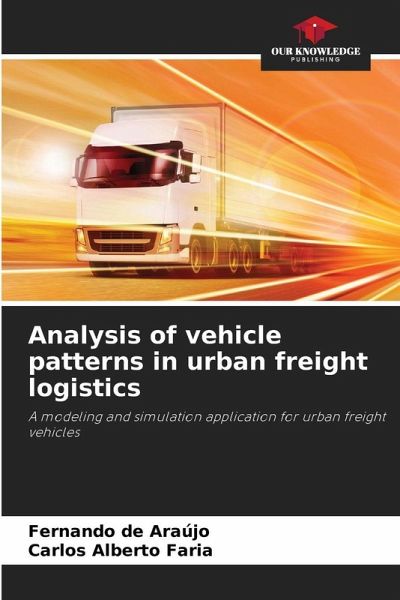
The objective of this book is to present, based on urban freight logistics, the economic and operational feasibility of using urban freight vehicles (vehicles with a net load capacity of up to 2.5 tons), using TransCAD software. The book is the result of a case study conducted at a wholesale and distribution company located in the state of Minas Gerais. It is a traditional company that has been operating for 60 years, standing out in the Brazilian scenario in distribution logistics processes. Due to the high complexity of ensuring logistics service levels in the central regions of large and medium-sized cities, companies have constantly sought alternatives to make this type of operation viable. In generating scenarios, TransCAD software was used to obtain the optimal routing for the distribution of cargo for the company studied. The chosen method was based on concepts of Urban Freight Logistics and the importance of urban freight distribution.