
Andere Kunden interessierten sich auch für
 Antropocene vs Capitalocene e le sue sfide nel Sud globale55,99 €
 Anthropocene Communism12,99 €
 The True Woman - A series of Discourses, to which is added Woman vs Ballot13,99 €
 Global Governance in the Age of the Anthropocene57,99 €
 The Palgrave Handbook of Global Politics in the 22nd Century166,99 €
 Peaceful Co-existence vs Socio-economic Development in South Sudan55,99 €
 America the Beautiful Vs America Not So Beautiful Now 202522,99 €




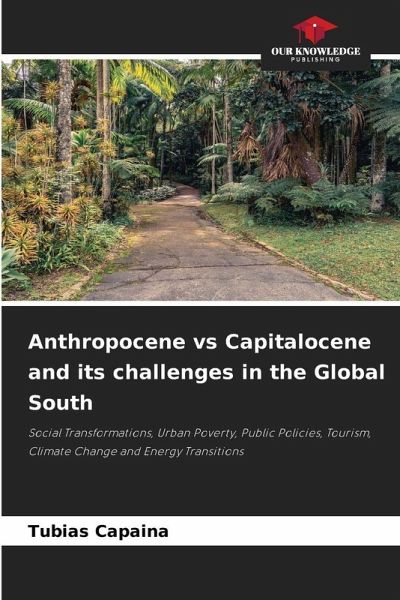
Anthropocene vs Capitalocene shows the paradox of the energy transition in the Global South, questioning who the promised sustainable future is for. From a critical and decolonial perspective, the authors show how renewable energy megaprojects, under the guise of green discourse, perpetuate forms of energy colonialism, territorial dispossession and environmental injustice. Sub-analyzing the Mozambican reality, the book travels through the provinces of Cabo Delgado, Tete, Niassa and Zambézia, giving voice to rural communities, indigenous people and women affected by unequal development. More than an analysis, the book is a gesture of intellectual resistance that denounces the "slow violence" and false universalism of dominant knowledge. Proposing a Just Socio-Ecological Transition, based on energy sovereignty, participatory democracy, environmental justice and community knowledge, it is a call to action to build a truly popular and emancipated future.