
Andere Kunden interessierten sich auch für
 Significance of nutraceuticals in inhalant abuse43,99 €
 Volatile Components in Breast Milk27,99 €
 Protective Role of Functional Foods on Cellular-Immunity46,99 €
 Nigerian Vegetables and Nutraceuticals43,99 €
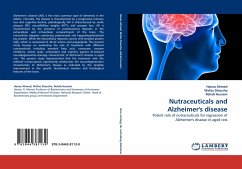
 Nutraceuticals and Alzheimer's disease52,99 €
 Customized Contact Lens Treatments for in-the-Eye Medication45,99 €
 Nutraceuticals84,99 €

Allergic contact dermatitis (ACD) arises from a delayed type IV hypersensitivity response and is one of the most common skin diseases, affecting 15-20% of the general population worldwide. Although the pharmacological agents cortisol, prednisolone, and dexamethasone are used for the treatment of allergies, inflammation, and autoimmune disorders, the side effects of these drugs have driven attempts to develop more effective immune modulating agents. Although the consumption of natural foods has been linked to the prevention or alleviation of abnormal immune responses to foreign pathogens and products, including hapten compounds, from a functional food perspective, evidence for the preventive effects of natural compounds against ACD is necessary before such materials can be used in pharmaceutical preparations.