
Andere Kunden interessierten sich auch für
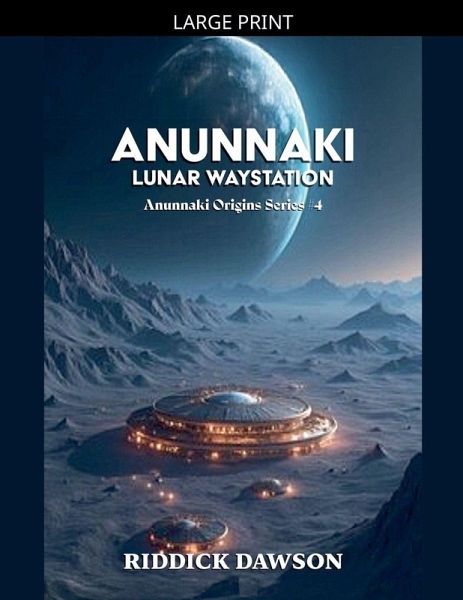
 Anunnaki Lunar Waystation23,99 €
 Gods of Akkad, Anunnaki Connections26,99 €
 Utu Shamash, and the Anunnaki Council27,99 €
 Gilgamesh and the Anunnaki28,99 €
 Anunnaki and Babylonian Myths26,99 €
 The Anunnaki Creation of Humanity23,99 €
 Gilgamesh and the Anunnaki24,99 €
High above the plains of ancient Sumer, a silver light once guided the gaze of priests, kings, and watchers of the heavens. They called it the seat of the gods - a celestial threshold where the Anunnaki observed the earth below. From this mysterious outpost, the moon became more than light; it became law, rhythm, and revelation. Its rulers, Nanna and Ningal, were not mere deities of night and fertility - they were the keepers of time, the custodians of reflection, and the silent intermediaries between heaven and earth. Anunnaki Lunar Waystation explores the profound theology of the moon as the Anunnaki's cosmic base of operations - the mirror between the mortal and the divine. Through long-forgotten hymns, temple liturgies, and astronomical rites, it traces how lunar worship shaped the empires of Ur, Harran, and Babylon, and how its wisdom endured through Persia, Greece, and Rome. Here the moon is revealed as both archive and oracle, its cycles encoding the sacred science of resurrection, moral order, and cosmic balance. From the shimmering ziggurats of Ur to the shadowed manuscripts of Hermetic mystics, the moon's role as Anunnaki waystation reemerges: a cosmic gateway used by the gods, later veiled in myth and ritual. The journey follows the transformation of this lunar theology through Gnostic reflection, alchemical rebirth, and medieval mysticism, revealing how the same silver principle of renewal survived every empire and creed. Was the moon a living archive - a vessel of divine intelligence, a base of celestial oversight? Did its worship conceal memories of the gods who once walked the earth and then watched from the sky? In Anunnaki Lunar Waystation, the ancient mystery of Nanna and Ningal returns in full cosmic light: a story of reflection, rebirth, and the timeless rhythm by which the gods themselves measured eternity.