
Andere Kunden interessierten sich auch für
 Uncle Sam Wants You46,99 €
 Uncle Sam Wants You129,99 €
 Reluctant Interventions52,99 €
![]() "Uncle Sam" meets the "Red Dragon"?22,99 €
"Uncle Sam" meets the "Red Dragon"?22,99 € Rethinking Uncle Tom162,99 €
 Reluctant Reception85,99 €
 Uncle Sam Abroad16,99 €
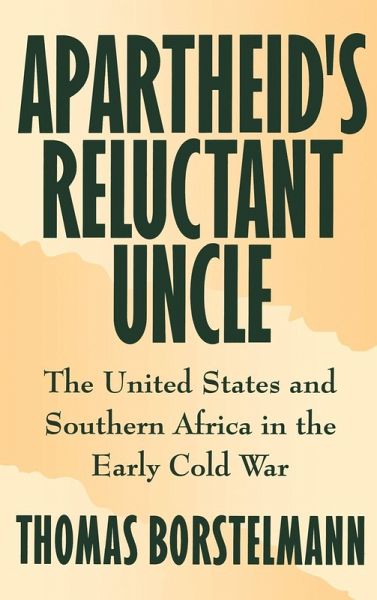
Borstelmann's book has a controversial thesis that impinges greatly on the nature of USA anti-communist foreign policy in the years after the Second World War. Borstelmann makes a persuasive argument that the United States aided and abetted the establishment of the apartheid regime in South Africa because - despite reservations about Nationalist racial policies - it viewed South Africa as a vital ally in the Cold War. Exceptionally well-written and substantively strong, the book is diplomatic history in a broad context. Eschewing the reductionist, economic-determinist view that characterizes many critical accounts of US policy toward South Africa, and stressing broader strategic and ideological considerations, Borstelmann provides a rich and sophisticated account of American policy-making in that era.