
Andere Kunden interessierten sich auch für
 Ehrlichiosis, babesiosis and canine leishmaniasis27,99 €
 Phytotherapeutic alternatives for the treatment of kala-azar27,99 €
 Apoptosis e inflamación cutánea en la leishmaniosis visceral canina22,99 €
 Prostatic changes in canine prostate diagnosed by ultrasound-guided cytology36,99 €
 Canine Breed Classification29,99 €
 Canine and Feline Echocardiography Manual with the Standing Patient29,99 €
 Practical guide to performing a full blood count in dogs27,99 €



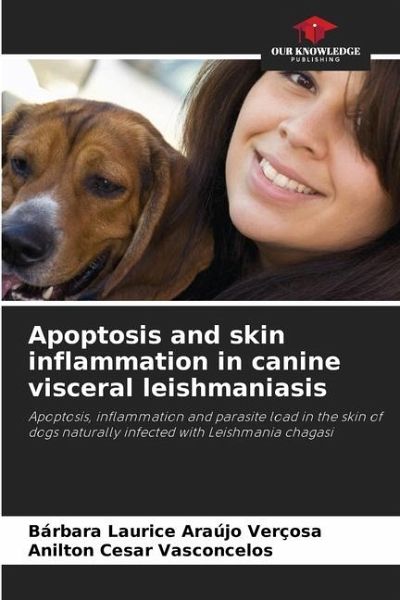
Visceral leishmaniasis is an endemic zoonosis in several countries, including Brazil. It is caused by Leishmania sp. and transmitted by the bite of Lutzomyia longipalpis. Apoptosis is a mechanism for the controlled elimination of cells and is important in resolving the inflammatory process. Apoptosis plays a role in the pathogenesis of many infections. The role of neutrophils in VL is still unclear, but it is known that parasitized neutrophils, like macrophages, are refractory to death by apoptosis. Thus, the survival of leishmania in neutrophils and their subsequent phagocytosis by macrophages seems to contribute to the progression of the infection. The aim of this study is to evaluate the possible relationship between apoptosis, inflammation and parasite load in dogs naturally infected with Leishmania.