
Andere Kunden interessierten sich auch für
 Treading the Mystic Path in Search of the Beloved25,99 €
 Repository of Mysteries26,99 €
") Bahá'í Prayer Book (Illustrated)44,99 €
Bahá'í Prayer Book (Illustrated)44,99 € A Tutorial on the Kitab-i-Iqan36,99 €
 The Remover Of Difficulties16,99 €
 Knights of Baha'u'llah54,99 €
 Time and the Bahá'í Era33,99 €






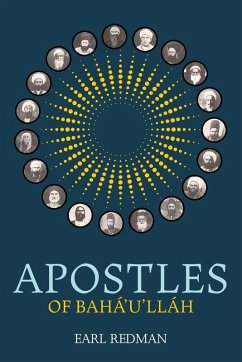
Four groups of people have earned titles over the history of the Bahá'í Faith, from the Declaration of the Báb to the election of the Universal House of Justice. These groups are the Letters of the Living, the Apostles of Bahá'u'lláh, the Disciples of 'Abdu'l-Bahá and the Knights of Bahá'u'lláh. Unlike the Hands of the Cause who were designated as such for their loyalty, dedication and knowledge, and were part of an Institution given distinct duties, those named in the four groups earned their titles by arising on their own initiative to do what had to be done at four different times of the Faith's development. The Apostles came from Islamic backgrounds and lived during a time of intense physical suffering when thousands of Bábís and Bahá'ís in Persia were imprisoned, tortured and martyred. Their own stories are filled with severe tests and persecution, and yet they gleam with transcendent qualities: complete detachment from the things of this world, tranquillity and steadfastness in the face of bi er opposition, sacrifice of everything except their faith in the Revelation of Bahá'u'lláh, and an indomitable passion for teaching the Faith at all costs. This book explores the lives of these valiant men designated as 'Apostles of Bahá'u'lláh' in the photo montage compiled for the Bahá'í World Volumes by Shoghi Effendi.