
Russell
APPLYING ECONOMICS ENVIR C

Russell
APPLYING ECONOMICS ENVIR C
- Gebundenes Buch
- Merkliste
- Auf die Merkliste
- Bewerten Bewerten
- Teilen
- Produkt teilen
- Produkterinnerung
- Produkterinnerung
Distinguished by its breadth of coverage and in-depth discussions of key topics, this book looks at the implications of environmental factors for economic policy-making. As well as chapters on damage and benefit analysis, monitoring and enforcement of environmental regulation, and the special problems of developing countries and the environment, it also includes a review of relevant microeconomic theory, an introduction to the history of environmental policy and legislation, and case studies of approaches to development versus preservation dilemmas and regional cost benefit analysis.
Andere Kunden interessierten sich auch für
 OecdApplying Evaluation Criteria Thoughtfully26,99 €
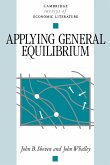
 John B. ShovenApplying General Equilibrium52,99 €
 Applying Social Cognition to Consumer-Focused Strategy113,99 €
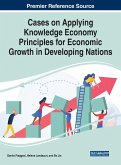
 Cases on Applying Knowledge Economy Principles for Economic Growth in Developing Nations214,99 €
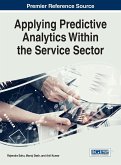
 Applying Predictive Analytics Within the Service Sector180,99 €
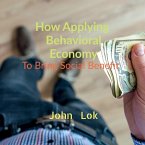
 John LokHow Applying Behavioral Economy To Bring Social Benefit12,99 €
 James MckeeApplying Principles from IT Architecture to Strategic Business Planning160,99 €
-
-
-



Distinguished by its breadth of coverage and in-depth discussions of key topics, this book looks at the implications of environmental factors for economic policy-making. As well as chapters on damage and benefit analysis, monitoring and enforcement of environmental regulation, and the special problems of developing countries and the environment, it also includes a review of relevant microeconomic theory, an introduction to the history of environmental policy and legislation, and case studies of approaches to development versus preservation dilemmas and regional cost benefit analysis.
Produktdetails
- Produktdetails
- Verlag: ACADEMIC
- Seitenzahl: 398
- Erscheinungstermin: 1. Mai 2014
- Englisch
- Abmessung: 260mm x 183mm x 26mm
- Gewicht: 941g
- ISBN-13: 9780195126846
- ISBN-10: 019512684X
- Artikelnr.: 21150281
- Herstellerkennzeichnung
- Libri GmbH
- Europaallee 1
- 36244 Bad Hersfeld
- gpsr@libri.de
- Verlag: ACADEMIC
- Seitenzahl: 398
- Erscheinungstermin: 1. Mai 2014
- Englisch
- Abmessung: 260mm x 183mm x 26mm
- Gewicht: 941g
- ISBN-13: 9780195126846
- ISBN-10: 019512684X
- Artikelnr.: 21150281
- Herstellerkennzeichnung
- Libri GmbH
- Europaallee 1
- 36244 Bad Hersfeld
- gpsr@libri.de
* FOREWORD
* CHAPTER 1: What Does Environmental Economics Have to do With the
Environment?:- Some Historical Problems; Analyses of Causes and
Solutions; Getting Closer to Specifics; A Sketch of Environmental
Policy Choices; Development and the Environment; A Concluding Theme
* CHAPTER 2: Background on Actual Policy Choices:- A Little History;
Efforts to Deal Legislatively with the Environment in the United
States; The 1970s - A Decade of Environmental Legislation;
Summarizing the Place of Economics in Environmental Legislation in
the US; A Few Comments on International Comparisons and Global
Concerns; Things to Keep in Mind
* CHAPTER 3: Microeconomics: Review and Extensions:- Demand,
Willingness to Pay, and Surpluses; Optimization in Microeconomics;
Supply/Marginal Cost; Social Welfare Notions: Prices and Optimality;
Notes on Optimization and the Choice of Environmental Policy;
Optimization in Microeconomics; Reminders; Appendix I - Chapter 3:
Rationality; Demand Functions and Willingness to Pay; Time and
Uncertainty; Ignorance of the Future; Risk and Uncertainty; Appendix
II - Chapter 3: Correcting Market Failures: Is Partial Correction
Better Than Nothing?; Optimizing with Inconveniently Shaped
Functions; When Available Future Decisions are Changed by Present
Decisions
* CHAPTER 4: An Introduction to the "Environmental" Part of
Environmental Economics:- Functions of the Environment Relevant to
Environmental Economics; Models of the Natural World; More About
Space, Time, and Randomness; Ignorance; Concluding Comments and
Reminders
* CHAPTER 5: Cost-Benefit Analysis and the Management of the
Environment:- Going Beyond the Simplest Optimizing Problem; A More
Formal and Complex Model of the Optimizing Problem; Doing Less Than
Basin-Wide Net Benefit Maximization
* CHAPTER 6: Damage and Benefit Estimation: Background and
Introduction:- Practical Arguments; Ethical Objections and Counter
Considerations; Some Important Misunderstandings about Economics;
Some Possible Bases for Valuing Environmental Goods and Services; The
Heart of the Economic Approach; Benefit "Routes" - A Brief Review;
Conclusions and Reminders
* CHAPTER 7: Indirect Benefit Estimation:- Demand Shifts:
Complementarity; Cost Shifts: Averting, Replacing or Curing
Expenditure; Travel Cost and Its Relation to Environmental Quality;
Comments on Indirect Methods of Benefit Estimation More Generally;
Conclusions and Reminders
* CHAPTER 8: Direct Methods of Benefit Estimation:- Strategic
Responses; Cognitive Difficulties and Lack of Knowledge; Some Other
Challenges for Direct Questioning Methods; Conjoint Analysis; Three
Final, Practical Problems; An Attempt at a Bottom Line on Direct
Questioning Techniques
* CHAPTER 9: Policy Instruments I: Some Basic Results and Confusions:-
Narrowing Down; Bases for Judging Among Instruments; Static
Efficiency; Contrasting the Static and Dynamic Cases; A Word about
Subsidies; A Summary to This Point
* CHAPTER 10: Policy Instruments II: Other Considerations and More
Exotic Instruments:- Comparing Instruments: Other Considerations;
General Institutional Demands; Prices, Ethics and Politics in
Environmental Policy; Other Dimensions of Judgement; Beyond
Administered Prices and Straightforward Regulations; Liability
Provisions; The Provision of Information; Challenge Regulation;
Concluding Comments and Reminders
* CHAPTER 11: Monitoring and Enforcement:- Characteristics of Various M
and E Settings; Elements of a Monitoring and Enforcement System; Some
Simple Economics of Monitoring and Enforcement; Monitoring and
Compliance as a decision Under Uncertainty; Conclusions and Reminders
* CHAPTER 12: Dealing with Risk: The Normative Model and Some
Limitations:- Rational Models for Dealing with Risk; Cognitive
Problems with Risky Decisions; Some Conclusions
* CHAPTER 13: Risk Analysis and Risky Decisions: Some Applications:-
Risk Analysis and Risk Management; Irreversible Decisions, Ignorance,
and the Techniques for Informing Decisions; Concluding Comments
* CHAPTER 14: Development and Environment: Descriptive Statistics and
Special Challenges:- Trying to Understand Economic Growth and
Sustainability; Describing Countries and Their Health and
environmental Problems; Back to the Question of Special Challenges;
Does Rising Income Lead to Better Environment and Thus to
Sustainability?; Concluding Comments
* CHAPTER 15: Estimating Environmental Quality Benefits or Damages in
Developing Countries:- Introduction; Benefit Estimation Methods for
the Developing Country Setting; Direct, Hypothetical or "Stated
Preference" Methods; Some Evidence on Contrasts Between Developing
and Developed Countries; Conclusion
* CHAPTER 16: Choosing Instruments of Environmental Policy in the
Developing Country Context:- The Institutional Setting in Developing
Countries; Are Market-based Environmental Policy Instruments the Best
Answer for Developing Countries? Observations and Suggestions; Some
Evidence on the Actual Choices of Environmental Policy Instruments
Being Made in Latin America; Concluding Comments; Appendix I -
Chapter 16: Some Detail on Institutional Capabilities and Market
Configurations in Latin america
* CHAPTER 17: Developing Country Environments and OECD Country Tastes:
An Asymmetric Relation:- Some Possibilities for Cross-Border
Influence; Where does That Leave Us?
* CHAPTER 1: What Does Environmental Economics Have to do With the
Environment?:- Some Historical Problems; Analyses of Causes and
Solutions; Getting Closer to Specifics; A Sketch of Environmental
Policy Choices; Development and the Environment; A Concluding Theme
* CHAPTER 2: Background on Actual Policy Choices:- A Little History;
Efforts to Deal Legislatively with the Environment in the United
States; The 1970s - A Decade of Environmental Legislation;
Summarizing the Place of Economics in Environmental Legislation in
the US; A Few Comments on International Comparisons and Global
Concerns; Things to Keep in Mind
* CHAPTER 3: Microeconomics: Review and Extensions:- Demand,
Willingness to Pay, and Surpluses; Optimization in Microeconomics;
Supply/Marginal Cost; Social Welfare Notions: Prices and Optimality;
Notes on Optimization and the Choice of Environmental Policy;
Optimization in Microeconomics; Reminders; Appendix I - Chapter 3:
Rationality; Demand Functions and Willingness to Pay; Time and
Uncertainty; Ignorance of the Future; Risk and Uncertainty; Appendix
II - Chapter 3: Correcting Market Failures: Is Partial Correction
Better Than Nothing?; Optimizing with Inconveniently Shaped
Functions; When Available Future Decisions are Changed by Present
Decisions
* CHAPTER 4: An Introduction to the "Environmental" Part of
Environmental Economics:- Functions of the Environment Relevant to
Environmental Economics; Models of the Natural World; More About
Space, Time, and Randomness; Ignorance; Concluding Comments and
Reminders
* CHAPTER 5: Cost-Benefit Analysis and the Management of the
Environment:- Going Beyond the Simplest Optimizing Problem; A More
Formal and Complex Model of the Optimizing Problem; Doing Less Than
Basin-Wide Net Benefit Maximization
* CHAPTER 6: Damage and Benefit Estimation: Background and
Introduction:- Practical Arguments; Ethical Objections and Counter
Considerations; Some Important Misunderstandings about Economics;
Some Possible Bases for Valuing Environmental Goods and Services; The
Heart of the Economic Approach; Benefit "Routes" - A Brief Review;
Conclusions and Reminders
* CHAPTER 7: Indirect Benefit Estimation:- Demand Shifts:
Complementarity; Cost Shifts: Averting, Replacing or Curing
Expenditure; Travel Cost and Its Relation to Environmental Quality;
Comments on Indirect Methods of Benefit Estimation More Generally;
Conclusions and Reminders
* CHAPTER 8: Direct Methods of Benefit Estimation:- Strategic
Responses; Cognitive Difficulties and Lack of Knowledge; Some Other
Challenges for Direct Questioning Methods; Conjoint Analysis; Three
Final, Practical Problems; An Attempt at a Bottom Line on Direct
Questioning Techniques
* CHAPTER 9: Policy Instruments I: Some Basic Results and Confusions:-
Narrowing Down; Bases for Judging Among Instruments; Static
Efficiency; Contrasting the Static and Dynamic Cases; A Word about
Subsidies; A Summary to This Point
* CHAPTER 10: Policy Instruments II: Other Considerations and More
Exotic Instruments:- Comparing Instruments: Other Considerations;
General Institutional Demands; Prices, Ethics and Politics in
Environmental Policy; Other Dimensions of Judgement; Beyond
Administered Prices and Straightforward Regulations; Liability
Provisions; The Provision of Information; Challenge Regulation;
Concluding Comments and Reminders
* CHAPTER 11: Monitoring and Enforcement:- Characteristics of Various M
and E Settings; Elements of a Monitoring and Enforcement System; Some
Simple Economics of Monitoring and Enforcement; Monitoring and
Compliance as a decision Under Uncertainty; Conclusions and Reminders
* CHAPTER 12: Dealing with Risk: The Normative Model and Some
Limitations:- Rational Models for Dealing with Risk; Cognitive
Problems with Risky Decisions; Some Conclusions
* CHAPTER 13: Risk Analysis and Risky Decisions: Some Applications:-
Risk Analysis and Risk Management; Irreversible Decisions, Ignorance,
and the Techniques for Informing Decisions; Concluding Comments
* CHAPTER 14: Development and Environment: Descriptive Statistics and
Special Challenges:- Trying to Understand Economic Growth and
Sustainability; Describing Countries and Their Health and
environmental Problems; Back to the Question of Special Challenges;
Does Rising Income Lead to Better Environment and Thus to
Sustainability?; Concluding Comments
* CHAPTER 15: Estimating Environmental Quality Benefits or Damages in
Developing Countries:- Introduction; Benefit Estimation Methods for
the Developing Country Setting; Direct, Hypothetical or "Stated
Preference" Methods; Some Evidence on Contrasts Between Developing
and Developed Countries; Conclusion
* CHAPTER 16: Choosing Instruments of Environmental Policy in the
Developing Country Context:- The Institutional Setting in Developing
Countries; Are Market-based Environmental Policy Instruments the Best
Answer for Developing Countries? Observations and Suggestions; Some
Evidence on the Actual Choices of Environmental Policy Instruments
Being Made in Latin America; Concluding Comments; Appendix I -
Chapter 16: Some Detail on Institutional Capabilities and Market
Configurations in Latin america
* CHAPTER 17: Developing Country Environments and OECD Country Tastes:
An Asymmetric Relation:- Some Possibilities for Cross-Border
Influence; Where does That Leave Us?
* FOREWORD
* CHAPTER 1: What Does Environmental Economics Have to do With the
Environment?:- Some Historical Problems; Analyses of Causes and
Solutions; Getting Closer to Specifics; A Sketch of Environmental
Policy Choices; Development and the Environment; A Concluding Theme
* CHAPTER 2: Background on Actual Policy Choices:- A Little History;
Efforts to Deal Legislatively with the Environment in the United
States; The 1970s - A Decade of Environmental Legislation;
Summarizing the Place of Economics in Environmental Legislation in
the US; A Few Comments on International Comparisons and Global
Concerns; Things to Keep in Mind
* CHAPTER 3: Microeconomics: Review and Extensions:- Demand,
Willingness to Pay, and Surpluses; Optimization in Microeconomics;
Supply/Marginal Cost; Social Welfare Notions: Prices and Optimality;
Notes on Optimization and the Choice of Environmental Policy;
Optimization in Microeconomics; Reminders; Appendix I - Chapter 3:
Rationality; Demand Functions and Willingness to Pay; Time and
Uncertainty; Ignorance of the Future; Risk and Uncertainty; Appendix
II - Chapter 3: Correcting Market Failures: Is Partial Correction
Better Than Nothing?; Optimizing with Inconveniently Shaped
Functions; When Available Future Decisions are Changed by Present
Decisions
* CHAPTER 4: An Introduction to the "Environmental" Part of
Environmental Economics:- Functions of the Environment Relevant to
Environmental Economics; Models of the Natural World; More About
Space, Time, and Randomness; Ignorance; Concluding Comments and
Reminders
* CHAPTER 5: Cost-Benefit Analysis and the Management of the
Environment:- Going Beyond the Simplest Optimizing Problem; A More
Formal and Complex Model of the Optimizing Problem; Doing Less Than
Basin-Wide Net Benefit Maximization
* CHAPTER 6: Damage and Benefit Estimation: Background and
Introduction:- Practical Arguments; Ethical Objections and Counter
Considerations; Some Important Misunderstandings about Economics;
Some Possible Bases for Valuing Environmental Goods and Services; The
Heart of the Economic Approach; Benefit "Routes" - A Brief Review;
Conclusions and Reminders
* CHAPTER 7: Indirect Benefit Estimation:- Demand Shifts:
Complementarity; Cost Shifts: Averting, Replacing or Curing
Expenditure; Travel Cost and Its Relation to Environmental Quality;
Comments on Indirect Methods of Benefit Estimation More Generally;
Conclusions and Reminders
* CHAPTER 8: Direct Methods of Benefit Estimation:- Strategic
Responses; Cognitive Difficulties and Lack of Knowledge; Some Other
Challenges for Direct Questioning Methods; Conjoint Analysis; Three
Final, Practical Problems; An Attempt at a Bottom Line on Direct
Questioning Techniques
* CHAPTER 9: Policy Instruments I: Some Basic Results and Confusions:-
Narrowing Down; Bases for Judging Among Instruments; Static
Efficiency; Contrasting the Static and Dynamic Cases; A Word about
Subsidies; A Summary to This Point
* CHAPTER 10: Policy Instruments II: Other Considerations and More
Exotic Instruments:- Comparing Instruments: Other Considerations;
General Institutional Demands; Prices, Ethics and Politics in
Environmental Policy; Other Dimensions of Judgement; Beyond
Administered Prices and Straightforward Regulations; Liability
Provisions; The Provision of Information; Challenge Regulation;
Concluding Comments and Reminders
* CHAPTER 11: Monitoring and Enforcement:- Characteristics of Various M
and E Settings; Elements of a Monitoring and Enforcement System; Some
Simple Economics of Monitoring and Enforcement; Monitoring and
Compliance as a decision Under Uncertainty; Conclusions and Reminders
* CHAPTER 12: Dealing with Risk: The Normative Model and Some
Limitations:- Rational Models for Dealing with Risk; Cognitive
Problems with Risky Decisions; Some Conclusions
* CHAPTER 13: Risk Analysis and Risky Decisions: Some Applications:-
Risk Analysis and Risk Management; Irreversible Decisions, Ignorance,
and the Techniques for Informing Decisions; Concluding Comments
* CHAPTER 14: Development and Environment: Descriptive Statistics and
Special Challenges:- Trying to Understand Economic Growth and
Sustainability; Describing Countries and Their Health and
environmental Problems; Back to the Question of Special Challenges;
Does Rising Income Lead to Better Environment and Thus to
Sustainability?; Concluding Comments
* CHAPTER 15: Estimating Environmental Quality Benefits or Damages in
Developing Countries:- Introduction; Benefit Estimation Methods for
the Developing Country Setting; Direct, Hypothetical or "Stated
Preference" Methods; Some Evidence on Contrasts Between Developing
and Developed Countries; Conclusion
* CHAPTER 16: Choosing Instruments of Environmental Policy in the
Developing Country Context:- The Institutional Setting in Developing
Countries; Are Market-based Environmental Policy Instruments the Best
Answer for Developing Countries? Observations and Suggestions; Some
Evidence on the Actual Choices of Environmental Policy Instruments
Being Made in Latin America; Concluding Comments; Appendix I -
Chapter 16: Some Detail on Institutional Capabilities and Market
Configurations in Latin america
* CHAPTER 17: Developing Country Environments and OECD Country Tastes:
An Asymmetric Relation:- Some Possibilities for Cross-Border
Influence; Where does That Leave Us?
* CHAPTER 1: What Does Environmental Economics Have to do With the
Environment?:- Some Historical Problems; Analyses of Causes and
Solutions; Getting Closer to Specifics; A Sketch of Environmental
Policy Choices; Development and the Environment; A Concluding Theme
* CHAPTER 2: Background on Actual Policy Choices:- A Little History;
Efforts to Deal Legislatively with the Environment in the United
States; The 1970s - A Decade of Environmental Legislation;
Summarizing the Place of Economics in Environmental Legislation in
the US; A Few Comments on International Comparisons and Global
Concerns; Things to Keep in Mind
* CHAPTER 3: Microeconomics: Review and Extensions:- Demand,
Willingness to Pay, and Surpluses; Optimization in Microeconomics;
Supply/Marginal Cost; Social Welfare Notions: Prices and Optimality;
Notes on Optimization and the Choice of Environmental Policy;
Optimization in Microeconomics; Reminders; Appendix I - Chapter 3:
Rationality; Demand Functions and Willingness to Pay; Time and
Uncertainty; Ignorance of the Future; Risk and Uncertainty; Appendix
II - Chapter 3: Correcting Market Failures: Is Partial Correction
Better Than Nothing?; Optimizing with Inconveniently Shaped
Functions; When Available Future Decisions are Changed by Present
Decisions
* CHAPTER 4: An Introduction to the "Environmental" Part of
Environmental Economics:- Functions of the Environment Relevant to
Environmental Economics; Models of the Natural World; More About
Space, Time, and Randomness; Ignorance; Concluding Comments and
Reminders
* CHAPTER 5: Cost-Benefit Analysis and the Management of the
Environment:- Going Beyond the Simplest Optimizing Problem; A More
Formal and Complex Model of the Optimizing Problem; Doing Less Than
Basin-Wide Net Benefit Maximization
* CHAPTER 6: Damage and Benefit Estimation: Background and
Introduction:- Practical Arguments; Ethical Objections and Counter
Considerations; Some Important Misunderstandings about Economics;
Some Possible Bases for Valuing Environmental Goods and Services; The
Heart of the Economic Approach; Benefit "Routes" - A Brief Review;
Conclusions and Reminders
* CHAPTER 7: Indirect Benefit Estimation:- Demand Shifts:
Complementarity; Cost Shifts: Averting, Replacing or Curing
Expenditure; Travel Cost and Its Relation to Environmental Quality;
Comments on Indirect Methods of Benefit Estimation More Generally;
Conclusions and Reminders
* CHAPTER 8: Direct Methods of Benefit Estimation:- Strategic
Responses; Cognitive Difficulties and Lack of Knowledge; Some Other
Challenges for Direct Questioning Methods; Conjoint Analysis; Three
Final, Practical Problems; An Attempt at a Bottom Line on Direct
Questioning Techniques
* CHAPTER 9: Policy Instruments I: Some Basic Results and Confusions:-
Narrowing Down; Bases for Judging Among Instruments; Static
Efficiency; Contrasting the Static and Dynamic Cases; A Word about
Subsidies; A Summary to This Point
* CHAPTER 10: Policy Instruments II: Other Considerations and More
Exotic Instruments:- Comparing Instruments: Other Considerations;
General Institutional Demands; Prices, Ethics and Politics in
Environmental Policy; Other Dimensions of Judgement; Beyond
Administered Prices and Straightforward Regulations; Liability
Provisions; The Provision of Information; Challenge Regulation;
Concluding Comments and Reminders
* CHAPTER 11: Monitoring and Enforcement:- Characteristics of Various M
and E Settings; Elements of a Monitoring and Enforcement System; Some
Simple Economics of Monitoring and Enforcement; Monitoring and
Compliance as a decision Under Uncertainty; Conclusions and Reminders
* CHAPTER 12: Dealing with Risk: The Normative Model and Some
Limitations:- Rational Models for Dealing with Risk; Cognitive
Problems with Risky Decisions; Some Conclusions
* CHAPTER 13: Risk Analysis and Risky Decisions: Some Applications:-
Risk Analysis and Risk Management; Irreversible Decisions, Ignorance,
and the Techniques for Informing Decisions; Concluding Comments
* CHAPTER 14: Development and Environment: Descriptive Statistics and
Special Challenges:- Trying to Understand Economic Growth and
Sustainability; Describing Countries and Their Health and
environmental Problems; Back to the Question of Special Challenges;
Does Rising Income Lead to Better Environment and Thus to
Sustainability?; Concluding Comments
* CHAPTER 15: Estimating Environmental Quality Benefits or Damages in
Developing Countries:- Introduction; Benefit Estimation Methods for
the Developing Country Setting; Direct, Hypothetical or "Stated
Preference" Methods; Some Evidence on Contrasts Between Developing
and Developed Countries; Conclusion
* CHAPTER 16: Choosing Instruments of Environmental Policy in the
Developing Country Context:- The Institutional Setting in Developing
Countries; Are Market-based Environmental Policy Instruments the Best
Answer for Developing Countries? Observations and Suggestions; Some
Evidence on the Actual Choices of Environmental Policy Instruments
Being Made in Latin America; Concluding Comments; Appendix I -
Chapter 16: Some Detail on Institutional Capabilities and Market
Configurations in Latin america
* CHAPTER 17: Developing Country Environments and OECD Country Tastes:
An Asymmetric Relation:- Some Possibilities for Cross-Border
Influence; Where does That Leave Us?