
- Broschiertes Buch
- Merkliste
- Auf die Merkliste
- Bewerten Bewerten
- Teilen
- Produkt teilen
- Produkterinnerung
- Produkterinnerung
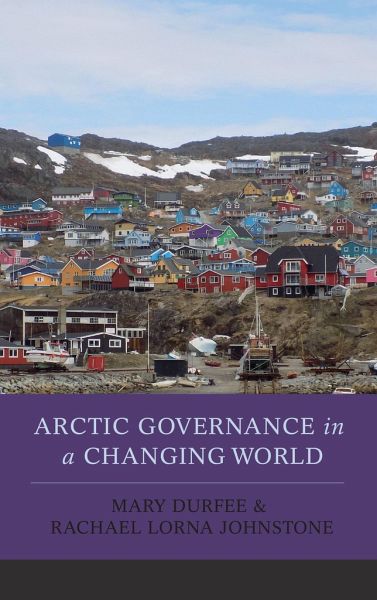
This comprehensive text explains the relationship between the Arctic and the wider world through the lenses of international relations, international law, and political economy. It is an essential resource for any student or scholar seeking a clear and succinct account of a region of ever-growing importance to the international community. Highlights include: Broad coverage of national and human security, Arctic economies, international political economy, human rights, the rights of indigenous people, the law of the sea, navigation, and environmental governance A clear review of current…mehr
Andere Kunden interessierten sich auch für
 Conflict, Negotiations and Natural Resource Management205,99 €
 Masoumeh MirsafaNature-Based Solutions in Cities of the Global South185,99 €
 Nature-Based Solutions for Urban Renewal in Post-Industrial Cities187,99 €
 Nicolas GrahamForces of Production, Climate Change and Canadian Fossil Capitalism193,99 €
 Michael HaasHow to Demolish Racism134,99 €
 Anna Lowenhaupt TsingMushroom at the End of the World17,99 €
 Gesellschaftliche Transformationen49,00 €
-
-
-






This comprehensive text explains the relationship between the Arctic and the wider world through the lenses of international relations, international law, and political economy. It is an essential resource for any student or scholar seeking a clear and succinct account of a region of ever-growing importance to the international community. Highlights include: Broad coverage of national and human security, Arctic economies, international political economy, human rights, the rights of indigenous people, the law of the sea, navigation, and environmental governance A clear review of current climate-related change Emphasis on the sources of cooperation in the Arctic through international relations theory and law Examination of the Arctic in the broader global context, illustrating its inextricable links to global processes
Produktdetails
- Produktdetails
- New Millennium Books in International Studies
- Verlag: Rowman & Littlefield
- Seitenzahl: 344
- Erscheinungstermin: 14. Januar 2019
- Englisch
- Abmessung: 226mm x 154mm x 20mm
- Gewicht: 404g
- ISBN-13: 9781442235632
- ISBN-10: 1442235632
- Artikelnr.: 53689876
- Herstellerkennzeichnung
- Libri GmbH
- Europaallee 1
- 36244 Bad Hersfeld
- gpsr@libri.de
- New Millennium Books in International Studies
- Verlag: Rowman & Littlefield
- Seitenzahl: 344
- Erscheinungstermin: 14. Januar 2019
- Englisch
- Abmessung: 226mm x 154mm x 20mm
- Gewicht: 404g
- ISBN-13: 9781442235632
- ISBN-10: 1442235632
- Artikelnr.: 53689876
- Herstellerkennzeichnung
- Libri GmbH
- Europaallee 1
- 36244 Bad Hersfeld
- gpsr@libri.de
Mary Durfee is professor emerita at Michigan Technological University. She is a past Fulbright and Annenberg Scholar and has coauthored a book on international relations theory with James N. Rosenau, Thinking Theory Thoroughly, 2nd ed. (2000). Rachael Lorna Johnstone is professor of law at the University of Akureyri, Iceland, and at the University of Greenland. She is a specialist in polar law and international human rights law. She is the author of Offshore Oil and Gas Development in the Arctic under International Law: Risk and Responsibility (2015).
1 What the Arctic Tells us about World Affairs
Cooperation Under UncertaintyGovernanceCooperationCommon v More Complex
Representations of Arctic AffairsThe Arctic and its Indigenous Peoples in
World AffairsThe Arctic Region and Policy Tools Used to Manage itRegions
are Created by People through DiscoursesGoverning the Arctic: International
LawWhat the Arctic Tells Us about International Relations TheoryAssumptions
of Realism, Liberalism, and Critical TheoriesRegime TheoryArctic Puzzles
for International Relations TheoristsOne Cannot Explain the Arctic without
International Law The Arctic has Weak Institutions and Strong Cooperation
The Arctic Illustrates Creative Uses of Sovereignty Human Security Rivals
National Security Climate Change Matters in Governance Efforts.Organization
of the Book2 A Natural and Human History of the Arctic
The Natural History of the ArcticThe Physical Geography of the
ArcticCooling and Warming in the ArcticChanging Atmospheric
ChemistryGreenhouse Gases and PermafrostSea IceGlaciers and Ice
SheetsArctic Warming and Ocean CurrentsBiodiversity in the Arctic.
Settlement of the Arctic
EurasiaMigrations to North AmericaEconomic LifeViking Exploration. The Rise
of the Sovereign European Arctic States and Colonization of the Arctic
Early Formation of the Arctic States of EuropeRise of the Modern System of
StatesMapping the Arctic, Gaining ControlColonizationChanging State Borders
through WarThe Napoleonic WarsWorld War IWorld War IIHot War to Cold
WarInternational CooperationConclusions3 Arctic Players
The Indigenous in the ArcticArctic StatesThe United StatesCanadaThe Kingdom
of DenmarkIcelandNorwaySwedenFinlandRussiaNon-Arctic StatesInternational
Organizations and ForaThe European UnionThe Arctic CouncilThe Arctic
FiveThe Barents Euro Arctic Region (BEAR)Other Regional ForaGlobal
ForaNon-Governmental OrganizationsCorporate InterestsOther
StakeholdersConclusions4 Securities in the Arctic
Security or SecuritiesSecurities are InterwovenMaking Humans SecureLogics
of SecurityCurrent Strategies to Understand and Manage SecuritiesNational
SecurityHow Secure is National Security in the Arctic?Power and Hegemonic
Transitions: the Rise of ChinaGeo-StrategySecurity DilemmasFrom Security
Dilemmas to Arms RacingHot Conflict in the Arctic? Two Unlikely
ScenariosConclusions5 Arctic Economies and Resources
Pillars of Arctic EconomiesThe Subsistence EconomyThe Formal EconomyThe
Transfer EconomyEconomic SectorsThe Three "D'sDecoupling
DependencyDiversificationArctic ResourcesArctic Economies Competition
between Different SectorsSocial Impacts of Large-Scale Resource
ExtractionInterest Groups and Influences Inside and Outside the ArcticThe
Impacts of Climate Change on Arctic Resources Conclusions6 The Political
Economy of the Arctic
Economic Globalization and Modern CapitalismsThree Flavors of
CapitalismEconomic Development National StrategiesFinance and BankingFree
TradeNAFTASupply and Value ChainsA Perfect Trade Storm Hits Canadian Inuit
Recent Neoliberal Trade NegotiationsCETA and CPTPPCETA ImpactsImpact on
Small and Medium Enterprises Social ImpactsConclusions7 Human Rights and
the Rights of Indigenous Rights in the Arctic
Human Rights or Indigenous Rights?How do Human Rights Impact
Decision-Making?United Nations Instruments and MechanismsThe Council of
EuropeThe Inter-American System of Human Rights ProtectionResponsibility
for Human Rights and the Rights of Indigenous PeoplesHuman Rights and
Indigenous Issues in the ArcticThe Right to Self-Determination and
Political ParticipationLand and Resource ManagementThe Right to
CultureIndustrial Development and Rights to ParticipationEconomic and
Social Rights Conclusions8 Law of the Sea in the Arctic
The UN Convention on the Law of the Sea (UNCLOS)Maritime ZonesBaselinesThe
Territorial Sea and the Contiguous ZoneThe Exclusive Economic Zone (EEZ)The
Continental ShelfThe High SeasThe Area Beyond National
JurisdictionDelimitation Between Adjacent or Opposite StatesMaritime Zones
around the Svalbard Islands States' or Peoples' Rights over the SeasThe
Internationalization of the Arctic Ocean and SeasConclusions9 Arctic
Shipping and Navigation
Freedom of NavigationArctic Shipping Today The Northern Sea RouteArctic
Marine TourismSea-ice and Other Challenges to Arctic ShippingGlobal
Interest in Arctic Transit ShippingConstraints to Freedom of
NavigationArctic Controversies: Straight Baselines and the Question of
'International Straits'Are the straits in the NWP 'international'? Does the
NSR contain international straits?Managing the disputes: agreeing to
disagreeEnvironmental and Human Security: Vessel-Source Pollution and
Safety at SeaInternational and Domestic Efforts to Control the Impacts and
Reduce the RisksThe Arctic Search and Rescue Agreement and the Agreement on
Marine Oil Pollution Preparedness and ResponseThe Polar CodeConclusions10
Environmental Protection in the Arctic
Principles of International Environmental LawThe Environmental Impact
Assessment The Precautionary ApproachConservation of Biological Diversity
Sustainable DevelopmentArctic Environmental ChallengesClimate
ChangeLong-Range Contaminants Protection and Preservation of the Marine
EnvironmentHuman Rights and the EnvironmentImplementation and Enforcement
of International Environmental LawConclusions11 The Future of Arctic
Governance
Material and Ideational ConnectionsArctic Puzzles for International
Relations TheoristsOne Cannot Explain the Arctic without International
LawThe Arctic has Weak Institutions and Strong CooperationThe Arctic
Illustrates Creative SovereigntyHuman Security Rivals National Security in
ImportanceClimate Change Matters in Governance EffortsQuestions for Further
Reflection
Cooperation Under UncertaintyGovernanceCooperationCommon v More Complex
Representations of Arctic AffairsThe Arctic and its Indigenous Peoples in
World AffairsThe Arctic Region and Policy Tools Used to Manage itRegions
are Created by People through DiscoursesGoverning the Arctic: International
LawWhat the Arctic Tells Us about International Relations TheoryAssumptions
of Realism, Liberalism, and Critical TheoriesRegime TheoryArctic Puzzles
for International Relations TheoristsOne Cannot Explain the Arctic without
International Law The Arctic has Weak Institutions and Strong Cooperation
The Arctic Illustrates Creative Uses of Sovereignty Human Security Rivals
National Security Climate Change Matters in Governance Efforts.Organization
of the Book2 A Natural and Human History of the Arctic
The Natural History of the ArcticThe Physical Geography of the
ArcticCooling and Warming in the ArcticChanging Atmospheric
ChemistryGreenhouse Gases and PermafrostSea IceGlaciers and Ice
SheetsArctic Warming and Ocean CurrentsBiodiversity in the Arctic.
Settlement of the Arctic
EurasiaMigrations to North AmericaEconomic LifeViking Exploration. The Rise
of the Sovereign European Arctic States and Colonization of the Arctic
Early Formation of the Arctic States of EuropeRise of the Modern System of
StatesMapping the Arctic, Gaining ControlColonizationChanging State Borders
through WarThe Napoleonic WarsWorld War IWorld War IIHot War to Cold
WarInternational CooperationConclusions3 Arctic Players
The Indigenous in the ArcticArctic StatesThe United StatesCanadaThe Kingdom
of DenmarkIcelandNorwaySwedenFinlandRussiaNon-Arctic StatesInternational
Organizations and ForaThe European UnionThe Arctic CouncilThe Arctic
FiveThe Barents Euro Arctic Region (BEAR)Other Regional ForaGlobal
ForaNon-Governmental OrganizationsCorporate InterestsOther
StakeholdersConclusions4 Securities in the Arctic
Security or SecuritiesSecurities are InterwovenMaking Humans SecureLogics
of SecurityCurrent Strategies to Understand and Manage SecuritiesNational
SecurityHow Secure is National Security in the Arctic?Power and Hegemonic
Transitions: the Rise of ChinaGeo-StrategySecurity DilemmasFrom Security
Dilemmas to Arms RacingHot Conflict in the Arctic? Two Unlikely
ScenariosConclusions5 Arctic Economies and Resources
Pillars of Arctic EconomiesThe Subsistence EconomyThe Formal EconomyThe
Transfer EconomyEconomic SectorsThe Three "D'sDecoupling
DependencyDiversificationArctic ResourcesArctic Economies Competition
between Different SectorsSocial Impacts of Large-Scale Resource
ExtractionInterest Groups and Influences Inside and Outside the ArcticThe
Impacts of Climate Change on Arctic Resources Conclusions6 The Political
Economy of the Arctic
Economic Globalization and Modern CapitalismsThree Flavors of
CapitalismEconomic Development National StrategiesFinance and BankingFree
TradeNAFTASupply and Value ChainsA Perfect Trade Storm Hits Canadian Inuit
Recent Neoliberal Trade NegotiationsCETA and CPTPPCETA ImpactsImpact on
Small and Medium Enterprises Social ImpactsConclusions7 Human Rights and
the Rights of Indigenous Rights in the Arctic
Human Rights or Indigenous Rights?How do Human Rights Impact
Decision-Making?United Nations Instruments and MechanismsThe Council of
EuropeThe Inter-American System of Human Rights ProtectionResponsibility
for Human Rights and the Rights of Indigenous PeoplesHuman Rights and
Indigenous Issues in the ArcticThe Right to Self-Determination and
Political ParticipationLand and Resource ManagementThe Right to
CultureIndustrial Development and Rights to ParticipationEconomic and
Social Rights Conclusions8 Law of the Sea in the Arctic
The UN Convention on the Law of the Sea (UNCLOS)Maritime ZonesBaselinesThe
Territorial Sea and the Contiguous ZoneThe Exclusive Economic Zone (EEZ)The
Continental ShelfThe High SeasThe Area Beyond National
JurisdictionDelimitation Between Adjacent or Opposite StatesMaritime Zones
around the Svalbard Islands States' or Peoples' Rights over the SeasThe
Internationalization of the Arctic Ocean and SeasConclusions9 Arctic
Shipping and Navigation
Freedom of NavigationArctic Shipping Today The Northern Sea RouteArctic
Marine TourismSea-ice and Other Challenges to Arctic ShippingGlobal
Interest in Arctic Transit ShippingConstraints to Freedom of
NavigationArctic Controversies: Straight Baselines and the Question of
'International Straits'Are the straits in the NWP 'international'? Does the
NSR contain international straits?Managing the disputes: agreeing to
disagreeEnvironmental and Human Security: Vessel-Source Pollution and
Safety at SeaInternational and Domestic Efforts to Control the Impacts and
Reduce the RisksThe Arctic Search and Rescue Agreement and the Agreement on
Marine Oil Pollution Preparedness and ResponseThe Polar CodeConclusions10
Environmental Protection in the Arctic
Principles of International Environmental LawThe Environmental Impact
Assessment The Precautionary ApproachConservation of Biological Diversity
Sustainable DevelopmentArctic Environmental ChallengesClimate
ChangeLong-Range Contaminants Protection and Preservation of the Marine
EnvironmentHuman Rights and the EnvironmentImplementation and Enforcement
of International Environmental LawConclusions11 The Future of Arctic
Governance
Material and Ideational ConnectionsArctic Puzzles for International
Relations TheoristsOne Cannot Explain the Arctic without International
LawThe Arctic has Weak Institutions and Strong CooperationThe Arctic
Illustrates Creative SovereigntyHuman Security Rivals National Security in
ImportanceClimate Change Matters in Governance EffortsQuestions for Further
Reflection
1 What the Arctic Tells us about World Affairs
Cooperation Under UncertaintyGovernanceCooperationCommon v More Complex
Representations of Arctic AffairsThe Arctic and its Indigenous Peoples in
World AffairsThe Arctic Region and Policy Tools Used to Manage itRegions
are Created by People through DiscoursesGoverning the Arctic: International
LawWhat the Arctic Tells Us about International Relations TheoryAssumptions
of Realism, Liberalism, and Critical TheoriesRegime TheoryArctic Puzzles
for International Relations TheoristsOne Cannot Explain the Arctic without
International Law The Arctic has Weak Institutions and Strong Cooperation
The Arctic Illustrates Creative Uses of Sovereignty Human Security Rivals
National Security Climate Change Matters in Governance Efforts.Organization
of the Book2 A Natural and Human History of the Arctic
The Natural History of the ArcticThe Physical Geography of the
ArcticCooling and Warming in the ArcticChanging Atmospheric
ChemistryGreenhouse Gases and PermafrostSea IceGlaciers and Ice
SheetsArctic Warming and Ocean CurrentsBiodiversity in the Arctic.
Settlement of the Arctic
EurasiaMigrations to North AmericaEconomic LifeViking Exploration. The Rise
of the Sovereign European Arctic States and Colonization of the Arctic
Early Formation of the Arctic States of EuropeRise of the Modern System of
StatesMapping the Arctic, Gaining ControlColonizationChanging State Borders
through WarThe Napoleonic WarsWorld War IWorld War IIHot War to Cold
WarInternational CooperationConclusions3 Arctic Players
The Indigenous in the ArcticArctic StatesThe United StatesCanadaThe Kingdom
of DenmarkIcelandNorwaySwedenFinlandRussiaNon-Arctic StatesInternational
Organizations and ForaThe European UnionThe Arctic CouncilThe Arctic
FiveThe Barents Euro Arctic Region (BEAR)Other Regional ForaGlobal
ForaNon-Governmental OrganizationsCorporate InterestsOther
StakeholdersConclusions4 Securities in the Arctic
Security or SecuritiesSecurities are InterwovenMaking Humans SecureLogics
of SecurityCurrent Strategies to Understand and Manage SecuritiesNational
SecurityHow Secure is National Security in the Arctic?Power and Hegemonic
Transitions: the Rise of ChinaGeo-StrategySecurity DilemmasFrom Security
Dilemmas to Arms RacingHot Conflict in the Arctic? Two Unlikely
ScenariosConclusions5 Arctic Economies and Resources
Pillars of Arctic EconomiesThe Subsistence EconomyThe Formal EconomyThe
Transfer EconomyEconomic SectorsThe Three "D'sDecoupling
DependencyDiversificationArctic ResourcesArctic Economies Competition
between Different SectorsSocial Impacts of Large-Scale Resource
ExtractionInterest Groups and Influences Inside and Outside the ArcticThe
Impacts of Climate Change on Arctic Resources Conclusions6 The Political
Economy of the Arctic
Economic Globalization and Modern CapitalismsThree Flavors of
CapitalismEconomic Development National StrategiesFinance and BankingFree
TradeNAFTASupply and Value ChainsA Perfect Trade Storm Hits Canadian Inuit
Recent Neoliberal Trade NegotiationsCETA and CPTPPCETA ImpactsImpact on
Small and Medium Enterprises Social ImpactsConclusions7 Human Rights and
the Rights of Indigenous Rights in the Arctic
Human Rights or Indigenous Rights?How do Human Rights Impact
Decision-Making?United Nations Instruments and MechanismsThe Council of
EuropeThe Inter-American System of Human Rights ProtectionResponsibility
for Human Rights and the Rights of Indigenous PeoplesHuman Rights and
Indigenous Issues in the ArcticThe Right to Self-Determination and
Political ParticipationLand and Resource ManagementThe Right to
CultureIndustrial Development and Rights to ParticipationEconomic and
Social Rights Conclusions8 Law of the Sea in the Arctic
The UN Convention on the Law of the Sea (UNCLOS)Maritime ZonesBaselinesThe
Territorial Sea and the Contiguous ZoneThe Exclusive Economic Zone (EEZ)The
Continental ShelfThe High SeasThe Area Beyond National
JurisdictionDelimitation Between Adjacent or Opposite StatesMaritime Zones
around the Svalbard Islands States' or Peoples' Rights over the SeasThe
Internationalization of the Arctic Ocean and SeasConclusions9 Arctic
Shipping and Navigation
Freedom of NavigationArctic Shipping Today The Northern Sea RouteArctic
Marine TourismSea-ice and Other Challenges to Arctic ShippingGlobal
Interest in Arctic Transit ShippingConstraints to Freedom of
NavigationArctic Controversies: Straight Baselines and the Question of
'International Straits'Are the straits in the NWP 'international'? Does the
NSR contain international straits?Managing the disputes: agreeing to
disagreeEnvironmental and Human Security: Vessel-Source Pollution and
Safety at SeaInternational and Domestic Efforts to Control the Impacts and
Reduce the RisksThe Arctic Search and Rescue Agreement and the Agreement on
Marine Oil Pollution Preparedness and ResponseThe Polar CodeConclusions10
Environmental Protection in the Arctic
Principles of International Environmental LawThe Environmental Impact
Assessment The Precautionary ApproachConservation of Biological Diversity
Sustainable DevelopmentArctic Environmental ChallengesClimate
ChangeLong-Range Contaminants Protection and Preservation of the Marine
EnvironmentHuman Rights and the EnvironmentImplementation and Enforcement
of International Environmental LawConclusions11 The Future of Arctic
Governance
Material and Ideational ConnectionsArctic Puzzles for International
Relations TheoristsOne Cannot Explain the Arctic without International
LawThe Arctic has Weak Institutions and Strong CooperationThe Arctic
Illustrates Creative SovereigntyHuman Security Rivals National Security in
ImportanceClimate Change Matters in Governance EffortsQuestions for Further
Reflection
Cooperation Under UncertaintyGovernanceCooperationCommon v More Complex
Representations of Arctic AffairsThe Arctic and its Indigenous Peoples in
World AffairsThe Arctic Region and Policy Tools Used to Manage itRegions
are Created by People through DiscoursesGoverning the Arctic: International
LawWhat the Arctic Tells Us about International Relations TheoryAssumptions
of Realism, Liberalism, and Critical TheoriesRegime TheoryArctic Puzzles
for International Relations TheoristsOne Cannot Explain the Arctic without
International Law The Arctic has Weak Institutions and Strong Cooperation
The Arctic Illustrates Creative Uses of Sovereignty Human Security Rivals
National Security Climate Change Matters in Governance Efforts.Organization
of the Book2 A Natural and Human History of the Arctic
The Natural History of the ArcticThe Physical Geography of the
ArcticCooling and Warming in the ArcticChanging Atmospheric
ChemistryGreenhouse Gases and PermafrostSea IceGlaciers and Ice
SheetsArctic Warming and Ocean CurrentsBiodiversity in the Arctic.
Settlement of the Arctic
EurasiaMigrations to North AmericaEconomic LifeViking Exploration. The Rise
of the Sovereign European Arctic States and Colonization of the Arctic
Early Formation of the Arctic States of EuropeRise of the Modern System of
StatesMapping the Arctic, Gaining ControlColonizationChanging State Borders
through WarThe Napoleonic WarsWorld War IWorld War IIHot War to Cold
WarInternational CooperationConclusions3 Arctic Players
The Indigenous in the ArcticArctic StatesThe United StatesCanadaThe Kingdom
of DenmarkIcelandNorwaySwedenFinlandRussiaNon-Arctic StatesInternational
Organizations and ForaThe European UnionThe Arctic CouncilThe Arctic
FiveThe Barents Euro Arctic Region (BEAR)Other Regional ForaGlobal
ForaNon-Governmental OrganizationsCorporate InterestsOther
StakeholdersConclusions4 Securities in the Arctic
Security or SecuritiesSecurities are InterwovenMaking Humans SecureLogics
of SecurityCurrent Strategies to Understand and Manage SecuritiesNational
SecurityHow Secure is National Security in the Arctic?Power and Hegemonic
Transitions: the Rise of ChinaGeo-StrategySecurity DilemmasFrom Security
Dilemmas to Arms RacingHot Conflict in the Arctic? Two Unlikely
ScenariosConclusions5 Arctic Economies and Resources
Pillars of Arctic EconomiesThe Subsistence EconomyThe Formal EconomyThe
Transfer EconomyEconomic SectorsThe Three "D'sDecoupling
DependencyDiversificationArctic ResourcesArctic Economies Competition
between Different SectorsSocial Impacts of Large-Scale Resource
ExtractionInterest Groups and Influences Inside and Outside the ArcticThe
Impacts of Climate Change on Arctic Resources Conclusions6 The Political
Economy of the Arctic
Economic Globalization and Modern CapitalismsThree Flavors of
CapitalismEconomic Development National StrategiesFinance and BankingFree
TradeNAFTASupply and Value ChainsA Perfect Trade Storm Hits Canadian Inuit
Recent Neoliberal Trade NegotiationsCETA and CPTPPCETA ImpactsImpact on
Small and Medium Enterprises Social ImpactsConclusions7 Human Rights and
the Rights of Indigenous Rights in the Arctic
Human Rights or Indigenous Rights?How do Human Rights Impact
Decision-Making?United Nations Instruments and MechanismsThe Council of
EuropeThe Inter-American System of Human Rights ProtectionResponsibility
for Human Rights and the Rights of Indigenous PeoplesHuman Rights and
Indigenous Issues in the ArcticThe Right to Self-Determination and
Political ParticipationLand and Resource ManagementThe Right to
CultureIndustrial Development and Rights to ParticipationEconomic and
Social Rights Conclusions8 Law of the Sea in the Arctic
The UN Convention on the Law of the Sea (UNCLOS)Maritime ZonesBaselinesThe
Territorial Sea and the Contiguous ZoneThe Exclusive Economic Zone (EEZ)The
Continental ShelfThe High SeasThe Area Beyond National
JurisdictionDelimitation Between Adjacent or Opposite StatesMaritime Zones
around the Svalbard Islands States' or Peoples' Rights over the SeasThe
Internationalization of the Arctic Ocean and SeasConclusions9 Arctic
Shipping and Navigation
Freedom of NavigationArctic Shipping Today The Northern Sea RouteArctic
Marine TourismSea-ice and Other Challenges to Arctic ShippingGlobal
Interest in Arctic Transit ShippingConstraints to Freedom of
NavigationArctic Controversies: Straight Baselines and the Question of
'International Straits'Are the straits in the NWP 'international'? Does the
NSR contain international straits?Managing the disputes: agreeing to
disagreeEnvironmental and Human Security: Vessel-Source Pollution and
Safety at SeaInternational and Domestic Efforts to Control the Impacts and
Reduce the RisksThe Arctic Search and Rescue Agreement and the Agreement on
Marine Oil Pollution Preparedness and ResponseThe Polar CodeConclusions10
Environmental Protection in the Arctic
Principles of International Environmental LawThe Environmental Impact
Assessment The Precautionary ApproachConservation of Biological Diversity
Sustainable DevelopmentArctic Environmental ChallengesClimate
ChangeLong-Range Contaminants Protection and Preservation of the Marine
EnvironmentHuman Rights and the EnvironmentImplementation and Enforcement
of International Environmental LawConclusions11 The Future of Arctic
Governance
Material and Ideational ConnectionsArctic Puzzles for International
Relations TheoristsOne Cannot Explain the Arctic without International
LawThe Arctic has Weak Institutions and Strong CooperationThe Arctic
Illustrates Creative SovereigntyHuman Security Rivals National Security in
ImportanceClimate Change Matters in Governance EffortsQuestions for Further
Reflection