
Andere Kunden interessierten sich auch für
 Mongol Caucasia123,99 €
 Armenia Through the Lens of Time101,99 €
 Armenia on the Horizon of Europe60,85 €
 Algerians Without Borders70,99 €
 Heritage, Contested Sites, and Borders of Memory in the Asia Pacific191,99 €
 Byzantium and Islam183,99 €
 Betrayed Armenia27,99 €


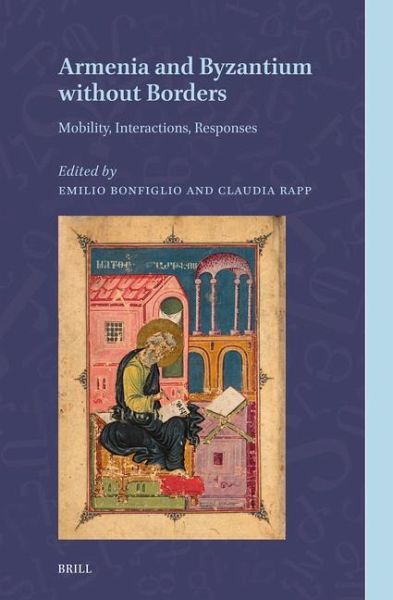
Byzantium is more and more recognized as a vibrant culture in dialogue with neighbouring regions, political entities, and peoples. Where better to look for this kind of dynamism than in the interactions between the Byzantines and the Armenians? Warfare and diplomacy are only one part of that story. The more enduring part consists of contact and mutual influence brokered by individuals who were conversant in both cultures and languages. The articles in this volume feature fresh work by younger and established scholars that illustrate the varieties of interaction in the fields of literature, material culture, and religion. Contributors are: Gert Boersema, Emilio Bonfiglio, Bernard Coulie, Karen Hamada, Robin Meyer, Johannes Preiser-Kapeller, Claudia Rapp, Mark Roosien, Werner Seibt, Emmanuel Van Elverdinghe, Theo Maarten van Lint, Alexandra-Kyriaki Wassiliou-Seibt, and David Zakarian.