
Andere Kunden interessierten sich auch für
 Around the World in 80 Days16,99 €
") Around The World In 80 Days(Illustrated)21,99 €
Around The World In 80 Days(Illustrated)21,99 € Around the World in 80 Days15,99 €
 Around the world in 80 Days17,99 €
") Around the World in 80 Days (Legend Classics)13,99 €
Around the World in 80 Days (Legend Classics)13,99 € Around the World in 80 Days Timeless Classics12,99 €
 Around the World in 80 Days - Timeless Series14,99 €


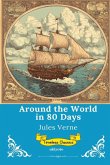

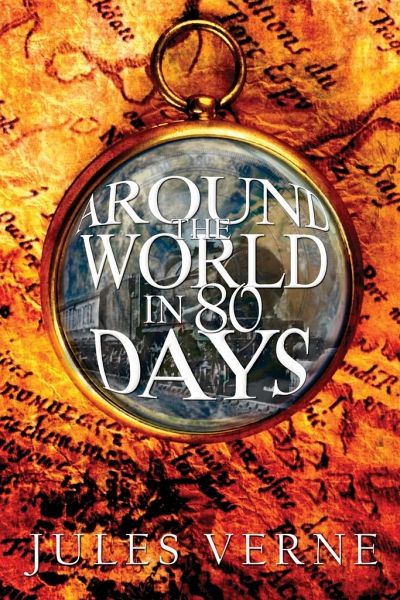
One ill-fated evening at the Reform Club, Phileas Fogg rashly bets his companions 20,000 pounds that he can travel around the entire globe in just eighty days - and he is determined not to lose. Breaking the well-established routine of his daily life, the reserved Englishman immediately sets off for Dover, accompanied by his hot-blooded French manservant Passepartout. Travelling by train, steamship, sailing boat, sledge and even elephant, they must overcome storms, kidnappings, natural disasters, Sioux attacks and the dogged Inspector Fix of Scotland Yard - who believes that Fogg has robbed the Bank of England - to win the extraordinary wager. Around the World in Eighty Days gripped audiences on its publication and remains hugely popular, combining exploration, adventure and a thrilling race against time.
Jules Verne wrote and published over 100 novels, short stories, nonfiction books, essays, and plays-some posthumously. He was born on a small river island in Nantes, France, on February 8th, 1828. His parents, Pierre Verne and Sophie Allotte de La Fuÿe, sent Jules to Paris in 1848 to follow in his father's footsteps and become a lawyer. Instead, he developed a love of all things literary and fashioned himself into a prolific and versatile writer.His first novel, Five Weeks in a Balloon, was published in 1863 by publisher Pierre-Jules Hetzel and launched Verne's popular career with the Voyages Extraordinaires series of adventure novels, many of which established key elements of the science fiction genre. He was an instant success in France and other parts of Europe and would become a respected literary giant around the world later in the twentieth century. Verne died on March 24th, 1905, in Amiens, France.Verne's most famous works include Journey to the Center of the Earth (1864), Twenty Thousand Leagues Under the Sea (1870), and Around the World in Eighty Days (1872). Verne is one of the most translated authors in the world, second only to William Shakespeare, and still holds the prestigious title, "the Father of Science Fiction."
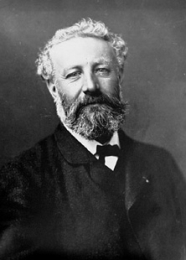
© privat