
Andere Kunden interessierten sich auch für
 Art Education Through Religion20,99 €
 Art Education Through Religion20,99 €
 Art Education Through Religion20,99 €
 Art Education Through Religion20,99 €
 Art Education Through Religion20,99 €
 Art Education Through Religion20,99 €
 Art Education Through Religion20,99 €
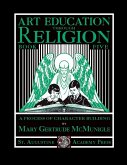

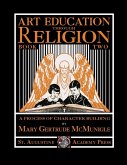
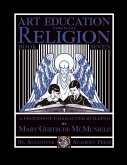
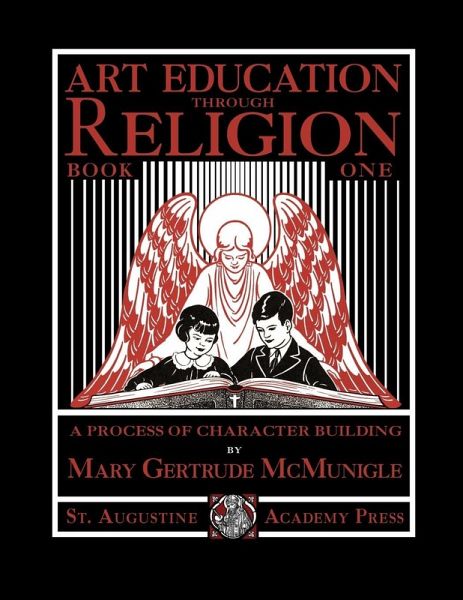
Art Education Through Religion is a series of graded textbooks on art and industrial design developed in the late 1920s by Mary Gertrude McMunigle, who was Director of Art for the Diocese of Pittsburgh at the time. This endeavor was overseen by two priests: Rev. Paul E. Campbell, A.M. LitD, who was then superintendent of Parochial Schools for the Pittsburgh Diocese, and Rev. Raymond V. Kirk, A.B. PhD, Dean of the College of Education of Duquesne University. Yes, this art curriculum actually has an imprimatur! Each lesson aims to improve the student's appreciation and skill in art, while at the same time imparting both spiritual and character objectives. Therefore the use of this series trains not only the eye, but the whole person, including the intellect and will. Students gain knowledge, self-control, accuracy, reverence, helpfulness and good manners, as well as many other useful life skills. Book One establishes basic foundational skills for viewing and creating art, using themes such as the beauty of God's creation, Bible stories, the Life of Our Lord, and religious symbolism as a backdrop for discussion of color, shapes, familiar objects, and virtues such as gratitude, reverence, love of parents, and gift giving. The main objective in this book is to introduce paper cutting, drawing, and clay molding, encouraging the child to develop basic motor skills and a sense of orderliness in art class. This book uses simple language and themes to make the building blocks of artistic techniques and principles accessible and attractive to young children. **An important note**: though the levels were designed to correspond with grades one through eight, they work best as a system. If a student in the third grade or above begins to use this series for the first time, it is recommended that they begin at least one or two levels previous to their current grade level, and not later than level five. Many of the concepts introduced at the upper grade levels may prove frustrating to successfully master without the foundations laid in these earlier grades.