
Andere Kunden interessierten sich auch für
 What to Read and Why17,99 €
 The Writing of Fiction12,99 €
 Aspects and Impressions20,99 €
 Aspects And Impressions14,99 €
 Tolstoy Together15,99 €
 The English Novel And The Principle Of Its Development20,99 €
 A Manual of the Art of Fiction18,99 €

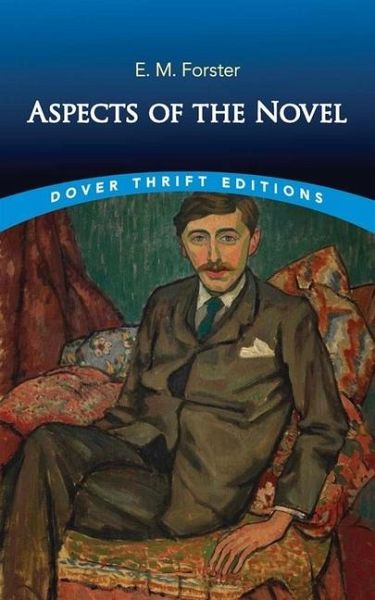
E. M. Forster, one of England's most distinguished writers, delivered a series of lectures at Trinity College, Cambridge, in 1927. The lectures were compiled in a collection of literary essays sharing what Forster believed were the seven important aspects of fiction: story, people, plot, fantasy, prophecy, pattern, and rhythm. With engaging, witty, and conversational commentary, Forster advances his theory that studying great authors is the best way to discover styles of writing. He uses literary examples to make his points, including Jane Austen, Charles Dickens, and Marcel Proust. This is not a how-to guide to novel writing but an exploration of the elements that make a novel successful.