

Andere Kunden interessierten sich auch für
 The Pacific War Remembered28,99 €
 Some Things We Have Remembered34,99 €
 Human Bullets21,99 €
 Some Naval Yarns18,99 €
 Mapping Naval Warfare34,99 €
 AIR CRASH INVESTIGATIONS, LOST OVER THE ATLANTIC The Crash of Air France Flight 447 THE FINAL REPORT30,99 €
 The Atlantic World50,99 €
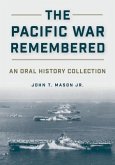
From the U-boat plagued convoys in the North Atlantic to the beaches of Normandy and the Big Three Conference at Yalta, twenty-eight men and women here relive their experiences in the Allied defeat of Hitler. Drawn from a vast collection of oral histories recorded by John T. Mason, Jr., between 1960 and 1982, these extraordinary eyewitness accounts are readily available once again to the public. Through an invasion commander's binoculars and a frogman's face mask, readers share the horror, grit, and humor of combat. With unqualified realism Admiral H. Kent Hewitt describes the landing at French Morocco, America's first major amphibious operation, and Captain Phil H. Bucklew recalls how one of his beach scouts at Sicily held a flashlight to mark invasion lanes while backed up against a German pillbox firing a machine gun over his head. The home front gets equal attention, for here, too, are the stories of those who supported the war effort in the United States. These and other personal narratives presented make memorable reading and give far more insights into historic events than most scholarly analyses.