Autophagy and Cardiometabolic Diseases: From Moleculer Mechanisms to Translational Medicine covers the science of autophagy in relation to cardiometabolic diseases and the future therapeutic potentials of autophagy regulation in these processes. Processes are not described in isolation, but in concert with other cellular and/or metabolic processes, such as lipogenesis, glucose, energy metabolism and apoptosis. This approach recognizes the multifactorial nature of cardiometabolic diseases, including obesity, diabetes, insulin resistance, hypertension and dyslipidemia. The book provides…mehr
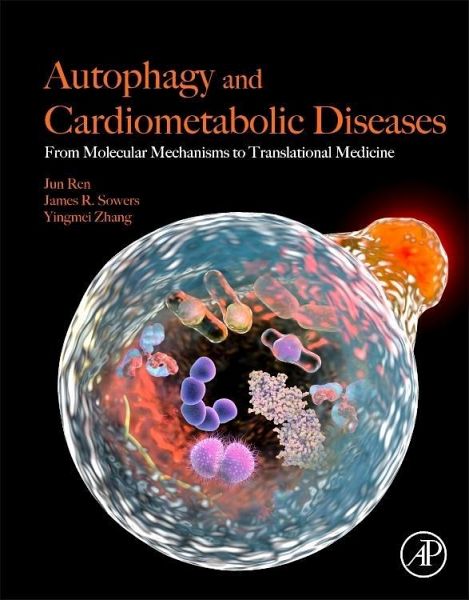
Autophagy and Cardiometabolic Diseases: From Moleculer Mechanisms to Translational Medicine covers the science of autophagy in relation to cardiometabolic diseases and the future therapeutic potentials of autophagy regulation in these processes. Processes are not described in isolation, but in concert with other cellular and/or metabolic processes, such as lipogenesis, glucose, energy metabolism and apoptosis. This approach recognizes the multifactorial nature of cardiometabolic diseases, including obesity, diabetes, insulin resistance, hypertension and dyslipidemia. The book provides explanations, while also distinguishing the delicate role for autophagy in pathogenesis and exploring complications for cardiometabolic diseases.
By targeting autophagy, it offers new avenues for drug discovery and treatment for cardiometabolic anomalies. It is a perfect resource for cardiology researchers, scientists and medical practitioners.
Dr. Jun Ren, MD, PhD, FAHA, is a Professor and Associate Director in University of Wyoming Biomedical PhD Graduate Program. He is also an Adjunct Professor of Cardiology in the Department of Cardiology, Zhongshan Hospital Fudan University. He is a member of American Heart Association and Diabetes Association National Center Study Sections. Dr. Ren specializes in the molecular cardiology with the goal that is to develop a strategy to prevent cardiovascular and a better regimen of treating these disorders. Serving as PI on several federal or national grants, he has completed enormous researches arming him with experience in cardiac function and structure assessment. In addition, he successfully administered the projects (e.g. staffing, research protections, budget), supervised students, and collaborated with other researchers. He has published over 500 articles with a main research interests in Cardiovascular and neurodegenerative diseases.
Inhaltsangabe
Section I. Cell biology of cardiometabolic syndrome and autophagy1. Overview of cardiometabolic syndrome2. Overview of autophagy and its molecular regulation3. Interplay among oxidative stress, redox signaling, ER-stress, autophagy and protein ubiquitination4. Selective autophagy for specific organelles5. Experimental models of autophagy and measurement of autophagy6. Role of autophagy in cardiac physiology and pathophysiology
Section II. Autophagy and pathogenesis of cardiometabolic disease7. Autophagy and diabetes mellitus8. Autophagy and hypertension9. Myocardial Insulin Signaling and Autophagy10. Autophagy and obesity11. Autophagy and dyslipidemia12. Autophagy and stroke13. Polycystic Ovary Syndrome and Cardiometabolic Disease14. Autophagy and thrombosis, vascular inflammation 15. Autophagy and Proteostasis in Cardiac Aging16. Autophagy and central nervous system
Section III. Autophagy and complications of cardiometabolic disease17. Autophagy and chronic liver disease18. Autophagy in acute and chronic kidney disease 19. Autophagy and fetal programming20. Autophagy, oxidative stress and redox regulation
Section IV. Translational approach of autophagy21. Therapeutic drug discovery targeting autophagy I22. Autophagy: A new therapeutic target23. Autophagy regulates control of intracellular energy stores24. Autophagy and epigenetics25. Autophagy, exercise and life style modification
Section I. Cell biology of cardiometabolic syndrome and autophagy1. Overview of cardiometabolic syndrome2. Overview of autophagy and its molecular regulation3. Interplay among oxidative stress, redox signaling, ER-stress, autophagy and protein ubiquitination4. Selective autophagy for specific organelles5. Experimental models of autophagy and measurement of autophagy6. Role of autophagy in cardiac physiology and pathophysiology
Section II. Autophagy and pathogenesis of cardiometabolic disease7. Autophagy and diabetes mellitus8. Autophagy and hypertension9. Myocardial Insulin Signaling and Autophagy10. Autophagy and obesity11. Autophagy and dyslipidemia12. Autophagy and stroke13. Polycystic Ovary Syndrome and Cardiometabolic Disease14. Autophagy and thrombosis, vascular inflammation 15. Autophagy and Proteostasis in Cardiac Aging16. Autophagy and central nervous system
Section III. Autophagy and complications of cardiometabolic disease17. Autophagy and chronic liver disease18. Autophagy in acute and chronic kidney disease 19. Autophagy and fetal programming20. Autophagy, oxidative stress and redox regulation
Section IV. Translational approach of autophagy21. Therapeutic drug discovery targeting autophagy I22. Autophagy: A new therapeutic target23. Autophagy regulates control of intracellular energy stores24. Autophagy and epigenetics25. Autophagy, exercise and life style modification
Es gelten unsere Allgemeinen Geschäftsbedingungen: www.buecher.de/agb
Impressum
www.buecher.de ist ein Internetauftritt der buecher.de internetstores GmbH
Geschäftsführung: Monica Sawhney | Roland Kölbl | Günter Hilger
Sitz der Gesellschaft: Batheyer Straße 115 - 117, 58099 Hagen
Postanschrift: Bürgermeister-Wegele-Str. 12, 86167 Augsburg
Amtsgericht Hagen HRB 13257
Steuernummer: 321/5800/1497
USt-IdNr: DE450055826