
Andere Kunden interessierten sich auch für
 Romantic Music Aesthetics103,99 €
 John Cage and David Tudor109,99 €
 Schoenberg's Atonal Music125,99 €
 Representation in Western Music109,99 €
 Music and Riddle Culture in the Renaissance177,99 €
 Music, Culture and Social Reform in the Age of Wagner109,99 €
 The Cambridge Companion to Music and Romanticism97,99 €
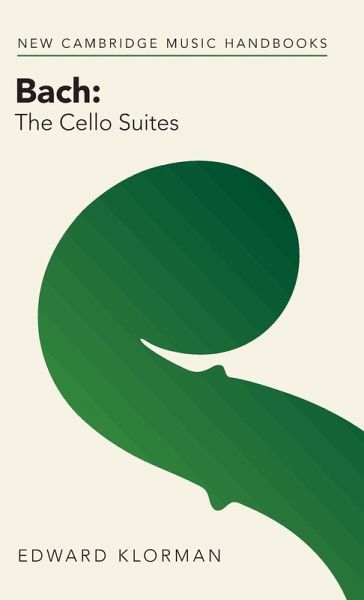
Originally dismissed as curiosities, J. S. Bach's Cello Suites are now understood as the pinnacle of composition for unaccompanied cello. This handbook examines how and why Bach composed these highly innovative works. It explains the characteristics of each of the dance types used in the suites and reveals the compositional methods that achieve cohesion within each suite. The author discusses the four manuscript copies of Bach's lost original and the valuable evidence they contain on how the Suites might be performed. He explores how, after around 1860, the Cello Suites gradually entered the concert hall, where they initially received a mixed critical and audience reception. The Catalan cellist Pablo Casals extensively popularized them through his concerts and recordings, setting the paradigm for several generations to follow. The Cello Suites now have a global resonance, influencing music from Benjamin Britten's Cello Suites to J-pop, and media from K-drama to Ingmar Bergman's films.