
Andere Kunden interessierten sich auch für
 Europe from the Balkans to the Urals253,99 €
 The case of E-Government for the Balkans in the example on E-Estonia as a factor of economic growth and development17,95 €
 Turkey's Return to the Western Balkans149,79 €
 Europeanisation and Memory Politics in the Western Balkans91,99 €
 The Revival of Islam in the Balkans106,99 €
 Global Perspectives on US Democratization Efforts76,99 €
 Europeanisation and Memory Politics in the Western Balkans91,99 €






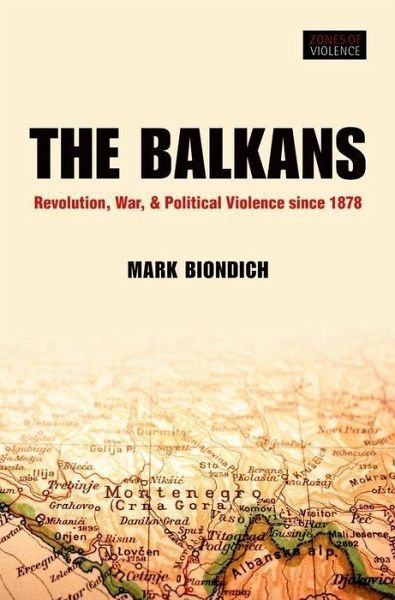
Examines the origins of political violence in the Balkans since the 19th century, while treating the region as an integral part of modern European history, reminding us that political violence and ethnic cleansing are hardly unique to this region.
The Balkans has long been a place of encounter among different peoples, religions, and civilizations, resulting in a rich cultural tapestry and mosaic of nationalities. But it has also been burdened by a traumatic post-colonial experience. The transition from traditional multinational empires to modern nation-states has been accompanied by large-scale political violence that has resulted in the deaths of hundreds of thousands and the permanent displacement of millions more.
The Balkans has long been a place of encounter among different peoples, religions, and civilizations, resulting in a rich cultural tapestry and mosaic of nationalities. But it has also been burdened by a traumatic post-colonial experience. The transition from traditional multinational empires to modern nation-states has been accompanied by large-scale political violence that has resulted in the deaths of hundreds of thousands and the permanent displacement of millions more.