
Andere Kunden interessierten sich auch für
 Beethoven and His Forerunners10,99 €
 Siegfried & The Twilight of the Gods21,99 €
 Beethoven: a Character Study Together With Wagner's Indebtedness to Beethoven21,99 €
") Analysis Of J.S. Bach'S Forty-Eight Fugues (Das Wohltemperirte Clavier)16,99 €
Analysis Of J.S. Bach'S Forty-Eight Fugues (Das Wohltemperirte Clavier)16,99 € (Partii)") Analysis Of J.S. Bach'S Forty-Eight Fugues (Das Wohltemperirte Clavier) (Partii)20,99 €
Analysis Of J.S. Bach'S Forty-Eight Fugues (Das Wohltemperirte Clavier) (Partii)20,99 € Old violins23,99 €
 The Teacher'S Handbook Of The Tonic Solfa System; A Guide To The Teaching Of Singing In Schools By The Tonic Sol-Fa System20,99 €





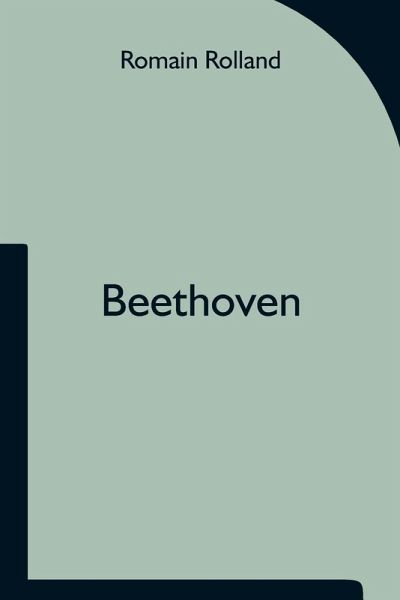
A piercing portrait of a genius at the hinge of two centuries. This is Beethoven as Rolland saw him: a living question of art, struggle, and ingenuity. Romain Rolland's historical and literary biography traces Beethoven's restless ascent from late nineteenth-century sensibility into the modern era. With graceful clarity, it weaves music biography insights into a broader tapestry of character, conflict, and creative integrity-offering readers a vivid sense of the composer's voice, fears, and triumphs. The book asks how genius survives pressure, doubt, and the passage of time, while placing Beethoven beside contemporaries like Mozart and the broader currents of German Romanticism essays that shaped a cultural moment. A work of enduring significance, this volume stands as a bridge between deep scholarship and accessible storytelling. It invites casual readers and classic-literature collectors alike to linger on each moment of discovery, each flourish of orchestration imagined in Rolland's careful, reverent prose. Its value is instantly apparent: not merely a biography, but a curated experience of art history, history of ideas, and the music that changed the language of Western culture. Selling points: out of print for decades and now republished by Alpha Editions; restored for today's and future generations; more than a reprint - a collector's item and a cultural treasure. A refined invitation for classical music fans, music history students, and anyone drawn to the lasting drama of great art.