
Andere Kunden interessierten sich auch für
 Italy and the Ecological Imagination93,99 €
 The Metamorphoses of Tintin116,99 €
 Epistolary Bodies64,99 €
 Skeptical Selves68,99 €
 On Jean-Jacques Rousseau136,99 €
 Reading Typographically68,99 €
 Families in Jeopardy83,99 €
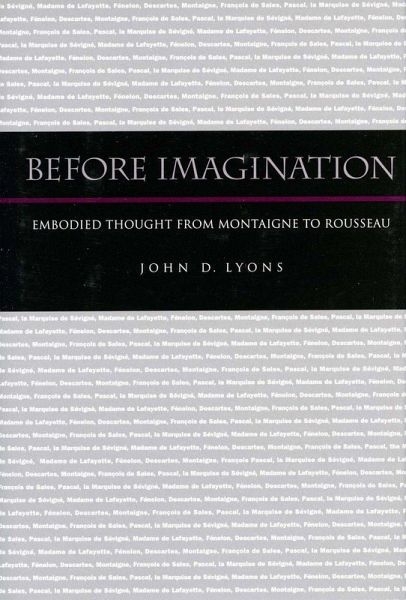
Before imagination became the transcendent and creative faculty promoted by the Romantics, it was for something quite different. Not reserved to a privileged few, imagination was instead considered a universal ability that each person could direct in practical ways. To imagine something meant to form in the mind a replica of a thing--its taste, its sound, and other physical attributes. At the end of the Renaissance, there was a movement to encourage individuals to develop their ability to imagine vividly. Within their private mental space, a space of embodied, sensual thought, they could meditate, pray, or philosophize. Gradually, confidence in the self-directed imagination fell out of favor and was replaced by the belief that the few--an elite of writers and teachers--should control the imagination of the many. >