Stanley Ritchie
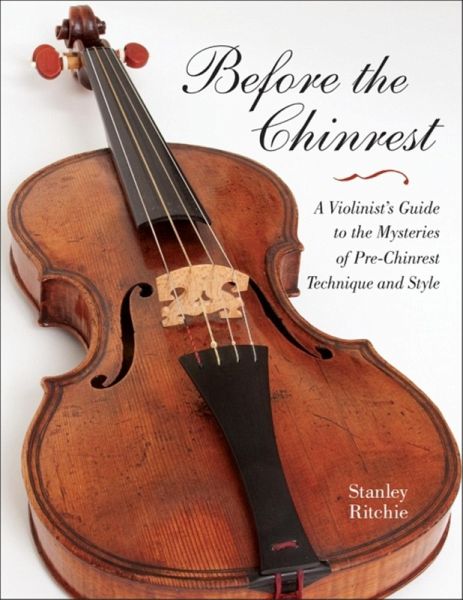
Before the Chinrest
A Violinist's Guide to the Mysteries of Pre-Chinrest Technique and Style
Stanley Ritchie
Before the Chinrest
A Violinist's Guide to the Mysteries of Pre-Chinrest Technique and Style
- Broschiertes Buch
- Merkliste
- Auf die Merkliste
- Bewerten Bewerten
- Teilen
- Produkt teilen
- Produkterinnerung
- Produkterinnerung
Unlocking the secrets of early violin performance
Andere Kunden interessierten sich auch für
Maureen Taranto-PyattThe Living Art of Violin Playing36,99 €
Ruggiero RicciRicci on Glissando25,99 €
Mathilde Aubat-AndrieuGuide to the Contemporary Harp65,99 €
David BlumThe Art of Quartet Playing16,99 €
The Best of Grade 1 Violin15,99 €
Rachel Beckles WillsonThe Oud29,99 €
James R. CurrieMusic and the Politics of Negation30,99 €-
-
-
Produktdetails
- Produktdetails
- Indiana University Press
- Verlag: Indiana University Press
- Seitenzahl: 166
- Erscheinungstermin: 16. Juli 2012
- Englisch
- Abmessung: 288mm x 220mm x 15mm
- Gewicht: 444g
- ISBN-13: 9780253223180
- ISBN-10: 0253223180
- Artikelnr.: 32730954
- Herstellerkennzeichnung
- Libri GmbH
- Europaallee 1
- 36244 Bad Hersfeld
- gpsr@libri.de
- Indiana University Press
- Verlag: Indiana University Press
- Seitenzahl: 166
- Erscheinungstermin: 16. Juli 2012
- Englisch
- Abmessung: 288mm x 220mm x 15mm
- Gewicht: 444g
- ISBN-13: 9780253223180
- ISBN-10: 0253223180
- Artikelnr.: 32730954
- Herstellerkennzeichnung
- Libri GmbH
- Europaallee 1
- 36244 Bad Hersfeld
- gpsr@libri.de
Stanley Ritchie is an internationally recognized violinist, teacher, and recording artist. He is a professor at the Jacobs School of Music at Indiana University Bloomington and the 2009 recipient of the Howard Mayer Brown Award for Lifetime Achievement in the Field of Early Music.
Preface and Acknowledgements
How to Support the Pre-Chinrest Violin
I. Right Hand Technique
General Observations
1. Tone Production
Basic Right-Hand Technique
The Importance of Arm Weight
The Use of Arm Weight
2. Bow-Strokes
Lifted strokes
Slurred notes
Retaking
Z-bowing
Martelé and Spiccato
Sautillé
Bariolage
Ondeggiando
3. Chordal Technique
4. Bow Division
5. Swift-Bows
6. Combination Strokes
II. Left-Hand Technique
7. Position-Changing Exercises
Some Basic Concepts
The Position Of The Left Hand
The Swing
Shifting
Half-position
Vibrato
III. Interpretation
8. Expression
Affect and rhetoric
The role of analysis
The importance of the bass-line
The tyranny of the barline
The significance of metre
Shaping notes and gestures
Beware of the beam!
The trouble with notation
The reality of rubato
9. Dynamics and Nuance
Harmony
Melody
Figures of musical speech
(i) Repetition
(ii) Sequences
(iii) Tessitura
(iv) The question
(v) The exclamation
(vi) Silence
10. Tempo
Metrical symbols
Harmonic motion
Technical complexity
Affective words
Cautionary and qualifying words
Baroque dance movements
11. Ornamentation
Symbolic
Notated ornaments
Un-notated ornaments
12. Baroque Clichés
The classic cadential formula
Slurred articulations
The hemiola
Pulsations
Suspensions
Syncopations
Melodic accents
"Down-downs"
The ultimate Baroque cliché
IV. Technique and Practice Guide
13. Tuning
A word about intonation
Tuning
Difference tones
Difference tone exercise
Visualizing
Warm-up exercises
A shifting exercise
14. Exercises Starting on First Finger
Scales
Broken Thirds
Double-stopped Thirds
Sixths
Octaves
Fingered Octaves
Tenths
Arpeggios
15. Exercises Starting on G
Scales
Broken Thirds
Double-stopped Thirds
Sixths
Octaves
Fingered Octaves
Tenths
Arpeggios
16. Half Position
Notes
Index

How to Support the Pre-Chinrest Violin
I. Right Hand Technique
General Observations
1. Tone Production
Basic Right-Hand Technique
The Importance of Arm Weight
The Use of Arm Weight
2. Bow-Strokes
Lifted strokes
Slurred notes
Retaking
Z-bowing
Martelé and Spiccato
Sautillé
Bariolage
Ondeggiando
3. Chordal Technique
4. Bow Division
5. Swift-Bows
6. Combination Strokes
II. Left-Hand Technique
7. Position-Changing Exercises
Some Basic Concepts
The Position Of The Left Hand
The Swing
Shifting
Half-position
Vibrato
III. Interpretation
8. Expression
Affect and rhetoric
The role of analysis
The importance of the bass-line
The tyranny of the barline
The significance of metre
Shaping notes and gestures
Beware of the beam!
The trouble with notation
The reality of rubato
9. Dynamics and Nuance
Harmony
Melody
Figures of musical speech
(i) Repetition
(ii) Sequences
(iii) Tessitura
(iv) The question
(v) The exclamation
(vi) Silence
10. Tempo
Metrical symbols
Harmonic motion
Technical complexity
Affective words
Cautionary and qualifying words
Baroque dance movements
11. Ornamentation
Symbolic
Notated ornaments
Un-notated ornaments
12. Baroque Clichés
The classic cadential formula
Slurred articulations
The hemiola
Pulsations
Suspensions
Syncopations
Melodic accents
"Down-downs"
The ultimate Baroque cliché
IV. Technique and Practice Guide
13. Tuning
A word about intonation
Tuning
Difference tones
Difference tone exercise
Visualizing
Warm-up exercises
A shifting exercise
14. Exercises Starting on First Finger
Scales
Broken Thirds
Double-stopped Thirds
Sixths
Octaves
Fingered Octaves
Tenths
Arpeggios
15. Exercises Starting on G
Scales
Broken Thirds
Double-stopped Thirds
Sixths
Octaves
Fingered Octaves
Tenths
Arpeggios
16. Half Position
Notes
Index
Preface and Acknowledgements
How to Support the Pre-Chinrest Violin
I. Right Hand Technique
General Observations
1. Tone Production
Basic Right-Hand Technique
The Importance of Arm Weight
The Use of Arm Weight
2. Bow-Strokes
Lifted strokes
Slurred notes
Retaking
Z-bowing
Martelé and Spiccato
Sautillé
Bariolage
Ondeggiando
3. Chordal Technique
4. Bow Division
5. Swift-Bows
6. Combination Strokes
II. Left-Hand Technique
7. Position-Changing Exercises
Some Basic Concepts
The Position Of The Left Hand
The Swing
Shifting
Half-position
Vibrato
III. Interpretation
8. Expression
Affect and rhetoric
The role of analysis
The importance of the bass-line
The tyranny of the barline
The significance of metre
Shaping notes and gestures
Beware of the beam!
The trouble with notation
The reality of rubato
9. Dynamics and Nuance
Harmony
Melody
Figures of musical speech
(i) Repetition
(ii) Sequences
(iii) Tessitura
(iv) The question
(v) The exclamation
(vi) Silence
10. Tempo
Metrical symbols
Harmonic motion
Technical complexity
Affective words
Cautionary and qualifying words
Baroque dance movements
11. Ornamentation
Symbolic
Notated ornaments
Un-notated ornaments
12. Baroque Clichés
The classic cadential formula
Slurred articulations
The hemiola
Pulsations
Suspensions
Syncopations
Melodic accents
"Down-downs"
The ultimate Baroque cliché
IV. Technique and Practice Guide
13. Tuning
A word about intonation
Tuning
Difference tones
Difference tone exercise
Visualizing
Warm-up exercises
A shifting exercise
14. Exercises Starting on First Finger
Scales
Broken Thirds
Double-stopped Thirds
Sixths
Octaves
Fingered Octaves
Tenths
Arpeggios
15. Exercises Starting on G
Scales
Broken Thirds
Double-stopped Thirds
Sixths
Octaves
Fingered Octaves
Tenths
Arpeggios
16. Half Position
Notes
Index
How to Support the Pre-Chinrest Violin
I. Right Hand Technique
General Observations
1. Tone Production
Basic Right-Hand Technique
The Importance of Arm Weight
The Use of Arm Weight
2. Bow-Strokes
Lifted strokes
Slurred notes
Retaking
Z-bowing
Martelé and Spiccato
Sautillé
Bariolage
Ondeggiando
3. Chordal Technique
4. Bow Division
5. Swift-Bows
6. Combination Strokes
II. Left-Hand Technique
7. Position-Changing Exercises
Some Basic Concepts
The Position Of The Left Hand
The Swing
Shifting
Half-position
Vibrato
III. Interpretation
8. Expression
Affect and rhetoric
The role of analysis
The importance of the bass-line
The tyranny of the barline
The significance of metre
Shaping notes and gestures
Beware of the beam!
The trouble with notation
The reality of rubato
9. Dynamics and Nuance
Harmony
Melody
Figures of musical speech
(i) Repetition
(ii) Sequences
(iii) Tessitura
(iv) The question
(v) The exclamation
(vi) Silence
10. Tempo
Metrical symbols
Harmonic motion
Technical complexity
Affective words
Cautionary and qualifying words
Baroque dance movements
11. Ornamentation
Symbolic
Notated ornaments
Un-notated ornaments
12. Baroque Clichés
The classic cadential formula
Slurred articulations
The hemiola
Pulsations
Suspensions
Syncopations
Melodic accents
"Down-downs"
The ultimate Baroque cliché
IV. Technique and Practice Guide
13. Tuning
A word about intonation
Tuning
Difference tones
Difference tone exercise
Visualizing
Warm-up exercises
A shifting exercise
14. Exercises Starting on First Finger
Scales
Broken Thirds
Double-stopped Thirds
Sixths
Octaves
Fingered Octaves
Tenths
Arpeggios
15. Exercises Starting on G
Scales
Broken Thirds
Double-stopped Thirds
Sixths
Octaves
Fingered Octaves
Tenths
Arpeggios
16. Half Position
Notes
Index