
Andere Kunden interessierten sich auch für
 Focus on Religion in Central and Eastern Europe84,99 €
 Christ the Central Evidence of Christianity, and Other Present Day Tracts32,99 €
 Authority: The Central Pillar of Sunni Political Thought54,99 €
 South and South Central Africa36,99 €
 Is Christianity True? A Series of Lectures Delivered in Central Hall, Manchester36,99 €
 The Church of Central Africa Presbyterian 1924-202447,99 €
 Jews and Gentiles in Central and Eastern Europe During the Holocaust184,99 €






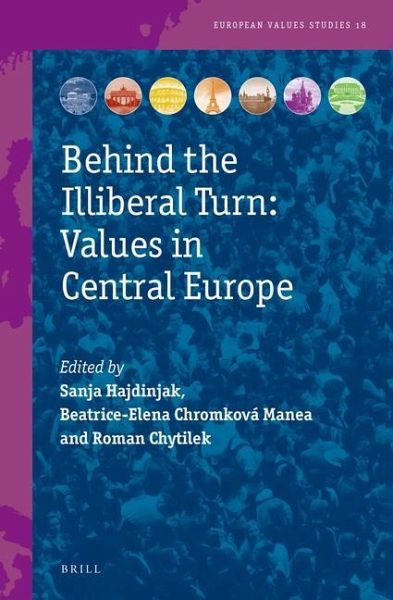
"We have to abandon liberal methods and principles of organizing a society. The new state that we are building is an illiberal state, a non-liberal state", Hungarian Prime Minister Victor Orban famously said in 2014, exemplifying a broader trend taking place in Central Europe. Why would the countries that were praised as democratization and Europeanization success stories take an illiberal turn? This volume explores changing values and attitudes to explain events that took place in the aftermath of the financial and migration crisis in six Central European countries: Croatia, Czechia, Hungary, Poland, Slovakia and Slovenia.