117,99 €
inkl. MwSt.
Versandkostenfrei*Erscheint vorauss. 24. März 2026
Melden Sie sich
hier
hier
für den Produktalarm an, um über die Verfügbarkeit des Produkts informiert zu werden.

59 °P sammeln
Andere Kunden interessierten sich auch für
 The Betrayal31,99 €
 Small Combatants for the Homeland Mission18,99 €
 The Homeland Security Dilemma60,99 €
 Home and Homeland81,99 €
 Homeland Security in the UK131,99 €
") The Betrayal Of Metz (1874)33,99 €
The Betrayal Of Metz (1874)33,99 € The Betrayal of Metz34,99 €



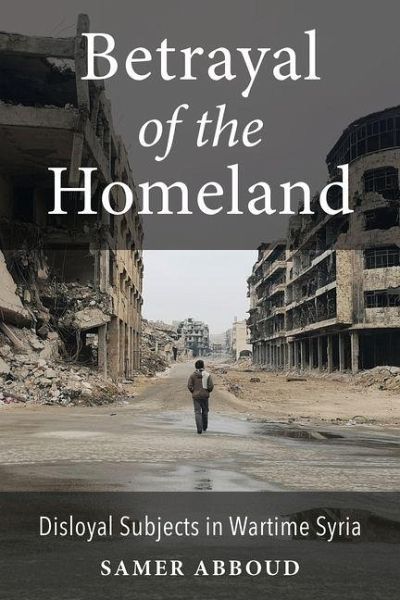
The Syrian regime endured the uprisings that began in 2011, aided by Russian military intervention in 2015 that changed the trajectory of the conflict and brought more territory under government control, until its eventual collapse in 2024. Over this period, how did the state attempt to manage the conflict away from the battlefield and reestablish control over the population? Samer Abboud argues that the Syrian regime sought to entrench its rule during wartime through bifurcating society into "loyal" and "disloyal" subjects--and punishing those it deemed treacherous. The regime framed the conflict as a war on terror, portraying its opponents as traitors to the homeland. In the post-2015 period, it established new laws, courts, and legal categories that targeted "betrayal," which could include anything from military desertion to absenteeism to critical social media posts. Disloyal subjects were subjected to various forms of punishment and denied reentry into the country if they had been displaced. Bringing together the regime's narratives and rhetoric with the machinery of bureaucratic practices, Abboud traces how the state sculpted the divide between loyalty and disloyalty. Empirically rich and theoretically informed, Betrayal of the Homeland offers a panoramic view of the politics of punishment during the final decade of the Assad regime, with broader implications for understanding how authoritarian states manage conflicts.