J. J. R. Frausto da Silva (, Professor of Analytical Chemistry, Ins, R. J. P. Williams (, Emeritus Professor of Chemistry, University of
BIOLOG CHEM ELEMENT P
J. J. R. Frausto da Silva (, Professor of Analytical Chemistry, Ins, R. J. P. Williams (, Emeritus Professor of Chemistry, University of
BIOLOG CHEM ELEMENT P
- Broschiertes Buch
- Merkliste
- Auf die Merkliste
- Bewerten Bewerten
- Teilen
- Produkt teilen
- Produkterinnerung
- Produkterinnerung
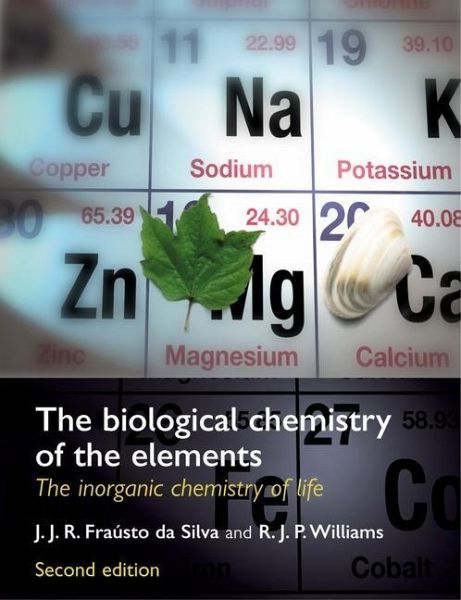
This text describes the functional role of the twenty inorganic elements essential to life in living organisms.
Andere Kunden interessierten sich auch für
Mark T. Weller (Reader, Department of Chemistry, Reader, DepartmentINORGAN MATER CHEM OCP 23 P36,99 €
Helen C. Aspinall (Professor of Chemistry, School of Chemistry, ProF-BLOCK CHEMISTRY OCP54,99 €
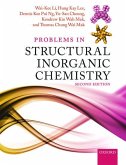
Wai-Kee Li (Formerly Emeritus Professo Formerly Emeritus ProfessorProblems in Structural Inorganic Chemistry79,99 €
Wai-Kee Li (Formerly Emeritus Professo Formerly Emeritus ProfessorProblems in Structural Inorganic Chemistry133,99 €
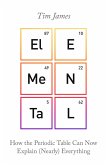
Tim JamesElemental23,99 €
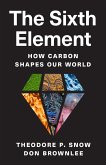
Theodore P. SnowThe Sixth Element21,99 €
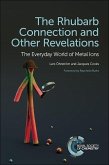
Lars OhrstromRhubarb Connection and Other Revelations26,99 €-
-
-
This text describes the functional role of the twenty inorganic elements essential to life in living organisms.
Produktdetails
- Produktdetails
- Verlag: Oxford University Press
- 2 Revised edition
- Seitenzahl: 594
- Erscheinungstermin: 16. August 2001
- Englisch
- Abmessung: 246mm x 189mm x 32mm
- Gewicht: 1086g
- ISBN-13: 9780198508489
- ISBN-10: 0198508484
- Artikelnr.: 21143302
- Herstellerkennzeichnung
- Libri GmbH
- Europaallee 1
- 36244 Bad Hersfeld
- gpsr@libri.de
- Verlag: Oxford University Press
- 2 Revised edition
- Seitenzahl: 594
- Erscheinungstermin: 16. August 2001
- Englisch
- Abmessung: 246mm x 189mm x 32mm
- Gewicht: 1086g
- ISBN-13: 9780198508489
- ISBN-10: 0198508484
- Artikelnr.: 21143302
- Herstellerkennzeichnung
- Libri GmbH
- Europaallee 1
- 36244 Bad Hersfeld
- gpsr@libri.de
* The chemical and physical factors controlling the elements of life
* 2: The principles of the uptake and chemical speciation of the
elements in biology
* 3: Physical separations of elements: compartments and zones in
biology
* 4: Kinetic considerations of chemiscal reactions, catalysis, and
control
* 5: Energy in biological systems and hydrogen biochemistry
* 6: The role of biological macromolecules and polymers
* 7: The functional value of the chemical elements in biological
systems
* The roles of individual elements in biology
* 9: The biological chemistry of magnesium: phosphate metabolism
* 10: Calcium: controls and triggers
* 11: Zinc: Lewis acid catalysis and regulation
* 12: Non-haem iron: redox reactions and controls
* 13: Haen iron: coupled redox reactions
* 14: Manganese: dioxygen evolution and glycosylation
* 15: Copper: extracytoplasmic oxidases and matrix formation
* 16: Nickel and cobalt: remnants of early life
* 17: Molybdenum, tungsten, vanadium, and chromium
* 18: Phosphate, silica, and chloride: acid-base non-metals
* 19: Sulphur, selenium, and the halogens: redox non-metals
* 20: Integrated living systems of elements
* 2: The principles of the uptake and chemical speciation of the
elements in biology
* 3: Physical separations of elements: compartments and zones in
biology
* 4: Kinetic considerations of chemiscal reactions, catalysis, and
control
* 5: Energy in biological systems and hydrogen biochemistry
* 6: The role of biological macromolecules and polymers
* 7: The functional value of the chemical elements in biological
systems
* The roles of individual elements in biology
* 9: The biological chemistry of magnesium: phosphate metabolism
* 10: Calcium: controls and triggers
* 11: Zinc: Lewis acid catalysis and regulation
* 12: Non-haem iron: redox reactions and controls
* 13: Haen iron: coupled redox reactions
* 14: Manganese: dioxygen evolution and glycosylation
* 15: Copper: extracytoplasmic oxidases and matrix formation
* 16: Nickel and cobalt: remnants of early life
* 17: Molybdenum, tungsten, vanadium, and chromium
* 18: Phosphate, silica, and chloride: acid-base non-metals
* 19: Sulphur, selenium, and the halogens: redox non-metals
* 20: Integrated living systems of elements
* The chemical and physical factors controlling the elements of life
* 2: The principles of the uptake and chemical speciation of the
elements in biology
* 3: Physical separations of elements: compartments and zones in
biology
* 4: Kinetic considerations of chemiscal reactions, catalysis, and
control
* 5: Energy in biological systems and hydrogen biochemistry
* 6: The role of biological macromolecules and polymers
* 7: The functional value of the chemical elements in biological
systems
* The roles of individual elements in biology
* 9: The biological chemistry of magnesium: phosphate metabolism
* 10: Calcium: controls and triggers
* 11: Zinc: Lewis acid catalysis and regulation
* 12: Non-haem iron: redox reactions and controls
* 13: Haen iron: coupled redox reactions
* 14: Manganese: dioxygen evolution and glycosylation
* 15: Copper: extracytoplasmic oxidases and matrix formation
* 16: Nickel and cobalt: remnants of early life
* 17: Molybdenum, tungsten, vanadium, and chromium
* 18: Phosphate, silica, and chloride: acid-base non-metals
* 19: Sulphur, selenium, and the halogens: redox non-metals
* 20: Integrated living systems of elements
* 2: The principles of the uptake and chemical speciation of the
elements in biology
* 3: Physical separations of elements: compartments and zones in
biology
* 4: Kinetic considerations of chemiscal reactions, catalysis, and
control
* 5: Energy in biological systems and hydrogen biochemistry
* 6: The role of biological macromolecules and polymers
* 7: The functional value of the chemical elements in biological
systems
* The roles of individual elements in biology
* 9: The biological chemistry of magnesium: phosphate metabolism
* 10: Calcium: controls and triggers
* 11: Zinc: Lewis acid catalysis and regulation
* 12: Non-haem iron: redox reactions and controls
* 13: Haen iron: coupled redox reactions
* 14: Manganese: dioxygen evolution and glycosylation
* 15: Copper: extracytoplasmic oxidases and matrix formation
* 16: Nickel and cobalt: remnants of early life
* 17: Molybdenum, tungsten, vanadium, and chromium
* 18: Phosphate, silica, and chloride: acid-base non-metals
* 19: Sulphur, selenium, and the halogens: redox non-metals
* 20: Integrated living systems of elements