
Andere Kunden interessierten sich auch für
 Évaluation de la biomasse et des flux de carbone44,99 €
 Valutazione della biomassa e del flusso di carbonio44,99 €
 Avaliação do fluxo de biomassa e carbono44,99 €
 Bewertung von Biomasse und Kohlenstoffflüssen68,90 €
 Ocenka biomassy i potokow ugleroda44,99 €
 Biochar for Combined Carbon Sequestration and Bio Oil Generation53,99 €
 Construction for a Regenerative Future188,99 €
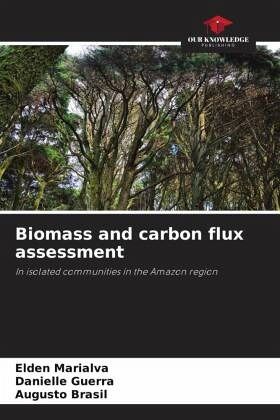
The Amazon has immense forest resources and is home to a third of the world's tropical forests. Logging in the Amazon is characterized as "garimpagem florestal", meaning that loggers enter the forest, select logs of commercial value and remove them. After a certain period of time, they return to the area and exploit it again. The legal Amazon was home to 833 circular sawmills in 1998. These sawmills were mainly located in the Amazon estuary (71%) - in the boreholes and tributaries of the Amazon, Xingu, Tocantins and Pará rivers. These family-run processors jointly consumed 1.3 million cubic meters of roundwood (5% of Amazon production). This study estimated the carbon balance of sawmills in the Amazon River estuary and developed a carbon life cycle for a sawmill in the Amazon estuary. It was identified that in the community's production process there is a well-defined path for the natural resource (biomass/wood): logging, transportation of biomass, transformation (timber companies)/production processes, generation and use of waste, transportation of processed wood, sale/market.