
Andere Kunden interessierten sich auch für
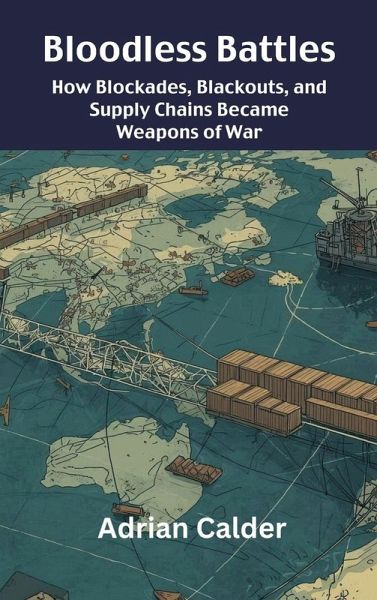
 Bloodless Battles31,99 €
 Borders and Battles52,99 €
 Battles That I Fought and Interviews of War Heroes39,99 €
 The Good Fight16,99 €
 Nature's Aristocracy; Or Battles And Wounds In Time Of Peace29,99 €
 Cybersecurity Discourse in the United States168,99 €
 Battles for Freedom98,99 €






Wars no longer begin with gunfire-they begin with a blockade, a cyberattack, or a single missing shipment of chips. In a world where nations are tied together by fragile supply lines, the real weapons of power are no longer tanks and missiles but supply chain warfare, energy as a weapon, and the deliberate use of scarcity to bend rivals into submission. This book reveals how weaponized interdependence has become the defining feature of modern conflict. From semiconductor geopolitics in Taiwan to gas pipelines in Europe, from food blockades in the Black Sea to cyberattacks on infrastructure, it uncovers how ordinary resources-fuel, food, chips-are now strategic chokepoints. The story is global, urgent, and deeply personal: the wars of tomorrow are already shaping the prices we pay, the devices we use, and the stability of the societies we live in. For readers of geopolitics, economics, and international affairs, this is a gripping and clarifying guide to the hidden front lines of 21st-century power. It is for business leaders navigating fragile supply chains, citizens questioning rising prices, and anyone trying to understand the headlines about sanctions, shortages, or the US-China tech war. By the final page, you will see conflict differently-not as distant battles, but as a pattern of control over movement, energy, and access. You'll gain a sharper framework for recognizing the logic behind sanctions, the vulnerabilities inside global trade, and the strategies nations use to fight economic statecraft without spilling blood. These blockade strategies in modern wars will define the century-and this book gives you the tools to understand them before they reshape your world.