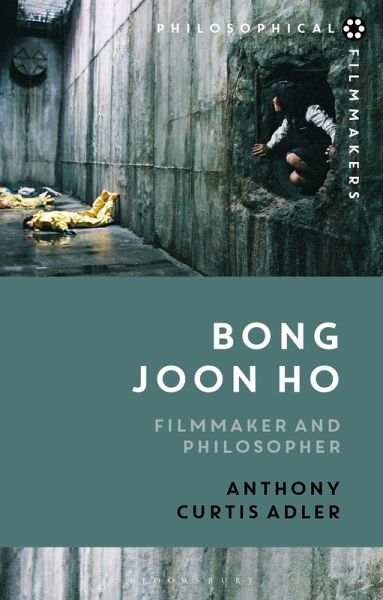
Anthony Curtis Adler (Yonsei Universityâ s Underwood InternationalPhilosopher and Filmmaker
Bong Joon Ho
Philosopher and Filmmaker
Herausgeber: Bradatan, Costica
Anthony Curtis Adler (Yonsei Universityâ s Underwood InternationalPhilosopher and Filmmaker
Bong Joon Ho
Philosopher and Filmmaker
Herausgeber: Bradatan, Costica
- Broschiertes Buch
- Merkliste
- Auf die Merkliste
- Bewerten Bewerten
- Teilen
- Produkt teilen
- Produkterinnerung
- Produkterinnerung
An original and lyrical reading of Bong Joon Hoâ s films highlighting the philosophical underpinnings and critical implications of his work.
Andere Kunden interessierten sich auch für
Todd MayKenneth Lonergan33,99 €
Irving SingerCinematic Mythmaking: Philosophy in Film9,49 €
Hitchcock and Philosophy14,99 €
Kant's Critique of the Power of Judgment61,99 €
Enrico PeyrettiNon ho scoperto nuove terre15,99 €
Gregg Daniel MillerMimesis and Reason32,99 €
Luciano Violante'Ma io ti ho sempre salvato'. La maschera della morte e il nomos della vita17,99 €-
-
-
An original and lyrical reading of Bong Joon Hoâ s films highlighting the philosophical underpinnings and critical implications of his work.
Produktdetails
- Produktdetails
- Philosophical Filmmakers
- Verlag: Bloomsbury Publishing PLC
- Seitenzahl: 344
- Erscheinungstermin: 11. Dezember 2025
- Englisch
- Abmessung: 216mm x 138mm x 25mm
- Gewicht: 326g
- ISBN-13: 9781350414662
- ISBN-10: 1350414662
- Artikelnr.: 72665137
- Herstellerkennzeichnung
- Libri GmbH
- Europaallee 1
- 36244 Bad Hersfeld
- gpsr@libri.de
- Philosophical Filmmakers
- Verlag: Bloomsbury Publishing PLC
- Seitenzahl: 344
- Erscheinungstermin: 11. Dezember 2025
- Englisch
- Abmessung: 216mm x 138mm x 25mm
- Gewicht: 326g
- ISBN-13: 9781350414662
- ISBN-10: 1350414662
- Artikelnr.: 72665137
- Herstellerkennzeichnung
- Libri GmbH
- Europaallee 1
- 36244 Bad Hersfeld
- gpsr@libri.de
Anthony Curtis Adler is a Professor of German and Comparative Literature at Yonsei University's Underwood International College, South Korea. His most recent books include Celebricities: Media Culture and the Phenomenology of Gadget Commodity Life (2016), and Politics and Truth in Hölderlin: 'Hyperion' and the Choreographic Project of Modernity (2021).
1. Introduction
a. Why Bong Joon Ho?
b. Korean Cinema in an Age of Globalization
c. Bong Joon Ho as Philosophical Filmmaker
d. Overview of the Argument
e. A Personal Note on Hybrid Subjectivity
2. The Cinematic Apparatus of Philosophy
a. Cinema as Projection of Movement and Life
b. Plato's Visionary Spaces
c. Aristotle's Poetics and the Drama of Meaning
d. Psyche as Cinema
e. Scientific Objectivity as Cinematic Apparatus
3. Barking Dogs Never Bite
a. The Korean Apartment Complex as Visionary Space
b. Dog as Food, Friend, Foe: Civilization and Domestication
c. Endemic Corruption
d. Ambiguous Liberation
e. Nature and Sprawl
4. Memories of Murder, Mother
a. Cinematic Genre as Visionary Space
b. The Korean Countryside and the Logic of Sprawl
c. Memories of Murder, Cinematic Voyeurism and the Domestication of
Violence
d. Mother and Murder: On Breaking the Umbilical Cord
e. The Tunnel and the Camera Lens
5. The Host, Okja
a. Philosophy, Cinema, and the Global Imaginary
b. The Host, Mutation as Genetic Sprawl
c. Okja, Genetic Engineering as Absolute Domestication
d. From Tunnels to Networks
e. Visionary Capitalism
6. Snowpiercer
a. Tunnel, Network, Train
b. Absolute Global Order as the Apotheosis of Visionary Capitalism
c. The Subversion of Plot
d. Civilization as Autophagy
e. Political-theology: The Hero, The Messiah, The Emperor
7. Parasite
a. Globalism Inside Out and Outside In
b. The House as Visionary Space
c. Civilization and its Parasites
d. Oedipus, Complexer
e. Scholar's Dreams
8. Conclusion: Crashing the Cinematic Apparatus of Philosophy
a. Why Bong Joon Ho?
b. Korean Cinema in an Age of Globalization
c. Bong Joon Ho as Philosophical Filmmaker
d. Overview of the Argument
e. A Personal Note on Hybrid Subjectivity
2. The Cinematic Apparatus of Philosophy
a. Cinema as Projection of Movement and Life
b. Plato's Visionary Spaces
c. Aristotle's Poetics and the Drama of Meaning
d. Psyche as Cinema
e. Scientific Objectivity as Cinematic Apparatus
3. Barking Dogs Never Bite
a. The Korean Apartment Complex as Visionary Space
b. Dog as Food, Friend, Foe: Civilization and Domestication
c. Endemic Corruption
d. Ambiguous Liberation
e. Nature and Sprawl
4. Memories of Murder, Mother
a. Cinematic Genre as Visionary Space
b. The Korean Countryside and the Logic of Sprawl
c. Memories of Murder, Cinematic Voyeurism and the Domestication of
Violence
d. Mother and Murder: On Breaking the Umbilical Cord
e. The Tunnel and the Camera Lens
5. The Host, Okja
a. Philosophy, Cinema, and the Global Imaginary
b. The Host, Mutation as Genetic Sprawl
c. Okja, Genetic Engineering as Absolute Domestication
d. From Tunnels to Networks
e. Visionary Capitalism
6. Snowpiercer
a. Tunnel, Network, Train
b. Absolute Global Order as the Apotheosis of Visionary Capitalism
c. The Subversion of Plot
d. Civilization as Autophagy
e. Political-theology: The Hero, The Messiah, The Emperor
7. Parasite
a. Globalism Inside Out and Outside In
b. The House as Visionary Space
c. Civilization and its Parasites
d. Oedipus, Complexer
e. Scholar's Dreams
8. Conclusion: Crashing the Cinematic Apparatus of Philosophy
1. Introduction
a. Why Bong Joon Ho?
b. Korean Cinema in an Age of Globalization
c. Bong Joon Ho as Philosophical Filmmaker
d. Overview of the Argument
e. A Personal Note on Hybrid Subjectivity
2. The Cinematic Apparatus of Philosophy
a. Cinema as Projection of Movement and Life
b. Plato's Visionary Spaces
c. Aristotle's Poetics and the Drama of Meaning
d. Psyche as Cinema
e. Scientific Objectivity as Cinematic Apparatus
3. Barking Dogs Never Bite
a. The Korean Apartment Complex as Visionary Space
b. Dog as Food, Friend, Foe: Civilization and Domestication
c. Endemic Corruption
d. Ambiguous Liberation
e. Nature and Sprawl
4. Memories of Murder, Mother
a. Cinematic Genre as Visionary Space
b. The Korean Countryside and the Logic of Sprawl
c. Memories of Murder, Cinematic Voyeurism and the Domestication of
Violence
d. Mother and Murder: On Breaking the Umbilical Cord
e. The Tunnel and the Camera Lens
5. The Host, Okja
a. Philosophy, Cinema, and the Global Imaginary
b. The Host, Mutation as Genetic Sprawl
c. Okja, Genetic Engineering as Absolute Domestication
d. From Tunnels to Networks
e. Visionary Capitalism
6. Snowpiercer
a. Tunnel, Network, Train
b. Absolute Global Order as the Apotheosis of Visionary Capitalism
c. The Subversion of Plot
d. Civilization as Autophagy
e. Political-theology: The Hero, The Messiah, The Emperor
7. Parasite
a. Globalism Inside Out and Outside In
b. The House as Visionary Space
c. Civilization and its Parasites
d. Oedipus, Complexer
e. Scholar's Dreams
8. Conclusion: Crashing the Cinematic Apparatus of Philosophy
a. Why Bong Joon Ho?
b. Korean Cinema in an Age of Globalization
c. Bong Joon Ho as Philosophical Filmmaker
d. Overview of the Argument
e. A Personal Note on Hybrid Subjectivity
2. The Cinematic Apparatus of Philosophy
a. Cinema as Projection of Movement and Life
b. Plato's Visionary Spaces
c. Aristotle's Poetics and the Drama of Meaning
d. Psyche as Cinema
e. Scientific Objectivity as Cinematic Apparatus
3. Barking Dogs Never Bite
a. The Korean Apartment Complex as Visionary Space
b. Dog as Food, Friend, Foe: Civilization and Domestication
c. Endemic Corruption
d. Ambiguous Liberation
e. Nature and Sprawl
4. Memories of Murder, Mother
a. Cinematic Genre as Visionary Space
b. The Korean Countryside and the Logic of Sprawl
c. Memories of Murder, Cinematic Voyeurism and the Domestication of
Violence
d. Mother and Murder: On Breaking the Umbilical Cord
e. The Tunnel and the Camera Lens
5. The Host, Okja
a. Philosophy, Cinema, and the Global Imaginary
b. The Host, Mutation as Genetic Sprawl
c. Okja, Genetic Engineering as Absolute Domestication
d. From Tunnels to Networks
e. Visionary Capitalism
6. Snowpiercer
a. Tunnel, Network, Train
b. Absolute Global Order as the Apotheosis of Visionary Capitalism
c. The Subversion of Plot
d. Civilization as Autophagy
e. Political-theology: The Hero, The Messiah, The Emperor
7. Parasite
a. Globalism Inside Out and Outside In
b. The House as Visionary Space
c. Civilization and its Parasites
d. Oedipus, Complexer
e. Scholar's Dreams
8. Conclusion: Crashing the Cinematic Apparatus of Philosophy