
Andere Kunden interessierten sich auch für
 Breaking the Maya Code25,99 €
 The Ground Breaking17,99 €
 Breaking the Maafa Chain23,99 €
 Breaking the Silence47,99 €
 Breaking the Silence55,99 €
 Breaking the Silence26,99 €
 Breaking the Maafa Chain16,99 €
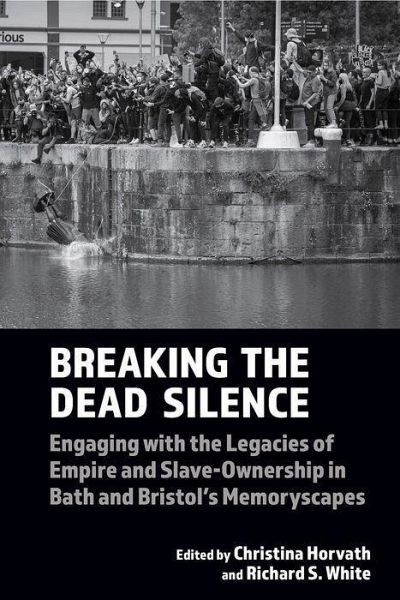
An Open Access edition is available. The murder of George Floyd in 2020, the renewed international take up of the cry Black Lives Matter and the subsequent toppling of a statue commemorating slave-merchant-turned-philanthropist Edward Colston in Bristol provoked urgent questions on memorialisation, white privilege, social justice and repair. Debates on how legacies of colonialism and empire in Britain should be addressed spilled out of the scholarly world into the public discourse. In the immediate wake of the statue toppling this book offers a unique, distinctive and timely contribution to those debates: a series of voices and experiences are offered as critical commentaries and accounts of recent interventions on an official heritage narrative. It sets out to break the 'dead silence', by bringing together diverse perspectives from academics, artists, activists, heritage professionals and tourist guides. The book offers fresh insights, referencing work attending to the impacts and legacies of colonisation primarily in Bath and Bristol, augmented with comparative contributions from Lancaster and Mexico offering significant and pertinent resonances. A range of strategies are explored towards enabling silenced voices to be heard and engage in conversations about how the past is represented, including Co-Creation, new agonistic museum practices, innovative creative and somatic approaches.