
Andere Kunden interessierten sich auch für
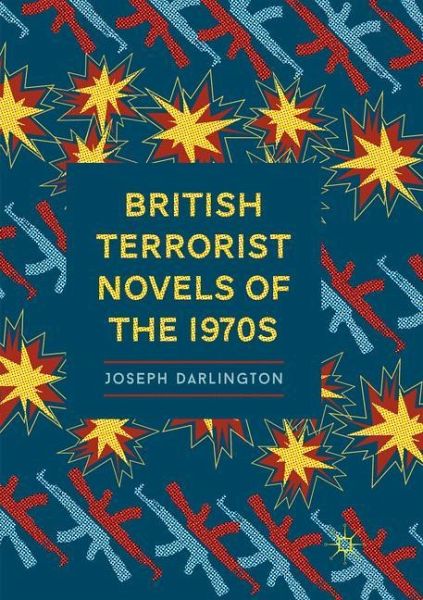
 British Terrorist Novels of the 1970s68,99 €
 Topographies of Caribbean Writing, Race, and the British Countryside46,99 €
 Contemporary Italian Narrative and 1970s Terrorism76,99 €
 Anti-Humanism in the Counterculture83,99 €
 The Architecture of Space-Time in the Novels of Jane Austen36,99 €
 Detective Fiction and the Problem of Knowledge76,99 €
 British Romantic Literature and the Emerging Modern Greek Nation38,99 €
This book discusses British novels published during the 1970s which feature terrorists either as main characters or a major plot points. The focus on terrorism's literary depiction provides insight into the politics of the decade. The book analyses texts from Gerald Seymour, Anthony Burgess, V.S. Naipaul, Graham Greene, Doris Lessing, B.S. Johnson, Tom Sharpe, and Eric Ambler, among others, in order to engage with the IRA, the end of Empire, counterculture and environmentalism. The book provides a brief history of terrorism as a concept and tactic before discussing British literature's relationship with terrorism. It presents a "standard terrorist morphology" by which to analyse terrorist narratives along with other insights into the British post-war imagination, writing and extremism.
"The structure and clarity of this book is superb. ... The point to make is that this book is as useful to film studies as it is to literature studies and politics. It would also serve a more avid but non-academic cineaste well. ... I finish the book feeling that the limits of my world are the limits of what I can know ... . A historical and philosophical work then, too. Highly recommended." (Steve Hanson, manchesterreviewofbooks.wordpress.com, November, 2018)