
Andere Kunden interessierten sich auch für
 Byzantine Art58,99 €
 Byzantine Images and their Afterlives168,99 €
 Gothic Art58,99 €
 Medieval Art In The Christian West93,99 €
 Romanesque Art29,99 €
 Gothic Art29,99 €
 Romanesque Art58,99 €






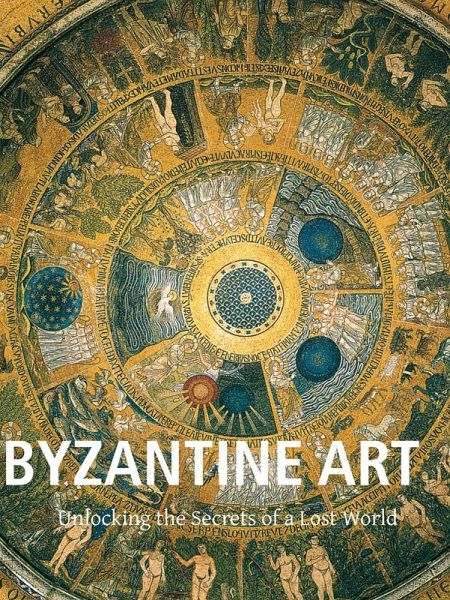
For more than a millennium, from its creation in 330 A.D. until its fall in 1453, the Byzantine Empire was a cradle of artistic effervescence that we are only beginning to rediscover. Endowed with the rich heritage of Roman, Eastern and Christian cultures, Byzantine artists developed an architectural and pictorial tradition, marked by symbolism, whose influence extended far beyond the borders of the Empire. Today, Italy, Northern Africa, and the Near East preserve the vestiges of this sophisticated artistic tradition, with all of its mystical and luminous beauty. The magnificence of the palaces, churches, paintings, enamels, ceramics and mosaics from this civilisation guarantees Byzantine art's powerful influence and timelessness.