
Andere Kunden interessierten sich auch für
 Davie18,99 €
 Clarendon County19,99 €
 Duplin County18,99 €
 Thomasville18,99 €
 Everglades National Park18,99 €
 St. Petersburg19,99 €
 West Baton Rouge Parish18,99 €
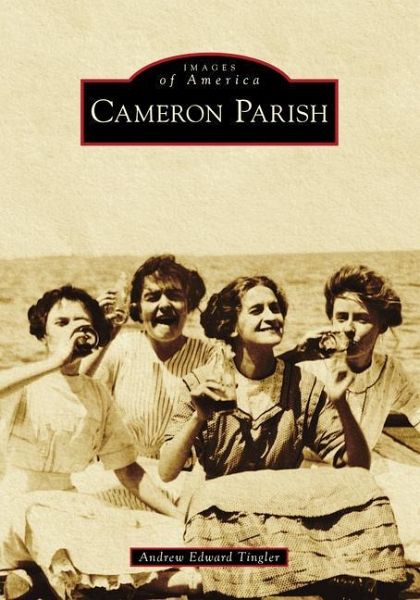
In 1790, Daniel Johnson sailed into the Sabine River, beginning the Anglo settlement in what would eventually become Cameron Parish in the southwest corner of Louisiana. Lured by the abundance of natural beauty and resources, most settlers moved into the coastal cheniers and inland Cajun prairie after 1830. The population grew enough by 1870 that a new parish was officially carved from Calcasieu and Vermilion Parishes. It was named for Abraham Lincoln's first secretary of war, Simon Cameron; the community of Leesburg at the mouth of the Calcasieu River also took the parish name of Cameron. The town of Cameron was among the biggest fishing ports in the country during the mid-1900s, but one of the largest economic drivers for the parish has been oil since the late 1920s. Even through the adversity of hurricanes, investments continue, and today, Cameron Parish exports more liquid natural gas than most countries.