


Andere Kunden interessierten sich auch für
 Les trois mousquetaires9,49 €
 Un Coeur Simple4,99 €
 La Femme de trente ans13,99 €
 Nadja8,99 €
 La dernière des Stanfield13,00 €
 Le Diable au corps6,49 €
 Candide ou l' Optimisme5,99 €




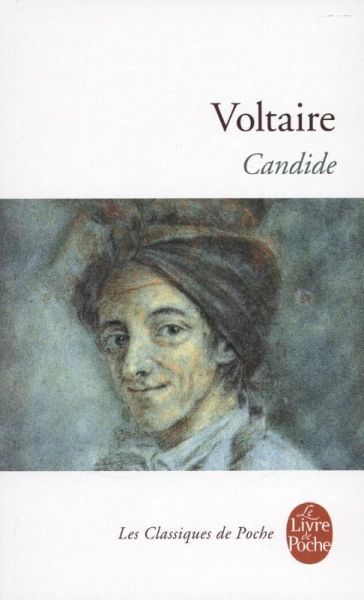
"Candide" is Voltaire's most famous work, a satirical masterpiece, which was first published in 1759. It is the story of its central character, the titular Candide, who lives a sheltered comfortable life and has been indoctrinated into the philosophy of Leibnizian optimism, by his mentor, Professor Pangloss. When Candide travels throughout the world he begins to witness the pervasive hardships of life, an experience that leads to his ultimate disillusionment with Leibnizian philosophy. Through this clever narrative Voltaire refutes the philosophy of Gottfried Wilhelm Leibniz, whose central idea was that despite the apparent imperfections of the world, it was the best of all possible worlds because it was created by an all powerful and all knowing God. Voltaire found this philosophy insultingly ridiculous and within the humorous and satirical construct of this work he effectively exposes the idiocy of a philosophy that was so pervasive in his time. "Candide" is a fast-moving and fantastical tale which established Voltaire as not only one of the most important but controversial authors of his time. This edition is printed on premium acid-free paper.