
Carabid Beetles
Their Evolution, Natural History, and Classification
Herausgegeben:Erwin, T. L.; Ball, George E.; Whitehead, D. R.; Halpern, A. L.
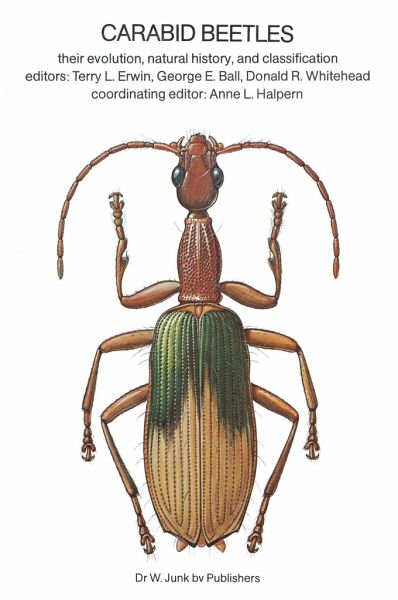

Carabid Beetles
Their Evolution, Natural History, and Classification
Herausgegeben:Erwin, T. L.; Ball, George E.; Whitehead, D. R.; Halpern, A. L.
- Broschiertes Buch
- Merkliste
- Auf die Merkliste
- Bewerten Bewerten
- Teilen
- Produkt teilen
- Produkterinnerung
- Produkterinnerung
Proceedings of the First International Symposium of Carabidology held at the Smithsonian Institution, Washington, D.C., August 21, 23 and 25, 1976
Andere Kunden interessierten sich auch für
 S. OsawaMolecular Phylogeny and Evolution of Carabid Ground Beetles77,99 €
 Carabid Beetles: Ecology and Evolution228,99 €
 DesenderCarabid Beetles: Ecology and Evolution231,99 €
 Ejsmont-KarabinRotifera VII153,99 €
 M. KosztarabScale Insects of Central Europe153,99 €
 George E. Ball (Hrsg.)Taxonomy, Phylogeny, and Zoogeography of Beetles and Ants229,99 €
 David RosenSpecies of Aphytis of the World100,99 €
-
-
-


Proceedings of the First International Symposium of Carabidology held at the Smithsonian Institution, Washington, D.C., August 21, 23 and 25, 1976
Produktdetails
- Produktdetails
- Verlag: Springer / Springer Netherlands
- Artikelnr. des Verlages: 978-94-009-9630-4
- Softcover reprint of the original 1st edition 1979
- Seitenzahl: 648
- Erscheinungstermin: 11. November 2011
- Englisch
- Abmessung: 229mm x 152mm x 35mm
- Gewicht: 924g
- ISBN-13: 9789400996304
- ISBN-10: 9400996306
- Artikelnr.: 39501014
- Herstellerkennzeichnung
- Springer-Verlag GmbH
- Tiergartenstr. 17
- 69121 Heidelberg
- ProductSafety@springernature.com
- Verlag: Springer / Springer Netherlands
- Artikelnr. des Verlages: 978-94-009-9630-4
- Softcover reprint of the original 1st edition 1979
- Seitenzahl: 648
- Erscheinungstermin: 11. November 2011
- Englisch
- Abmessung: 229mm x 152mm x 35mm
- Gewicht: 924g
- ISBN-13: 9789400996304
- ISBN-10: 9400996306
- Artikelnr.: 39501014
- Herstellerkennzeichnung
- Springer-Verlag GmbH
- Tiergartenstr. 17
- 69121 Heidelberg
- ProductSafety@springernature.com
- Three Leaders.- 1. Historical Perspectives.- 1.1. Europe and the Circompolar Area: Events and Personalities.- 1.2. Some Events and Trends in Study of Carabidae in North America.- 2. Systematics 2.1. Speciation.- 2.11. Speciation Patterns and What They Mean.- 2.12. Rates of Taxonomically Significant Differentiation in Relation to Geographical Isolation and Habitat: Examples from a Study of the Nearctic Nebria fauna.- 2.2. Holomorphology: Classification and Phylogeny.- 2.21. Conspectus of Carabid Classification: History, Holomorphology, and Higher Taxa.- 2.22. Wing-folding Mechanisms of Beetles, with Special Reference to Investigations of Adephagan Phylogeny.- 2.23. Metathoracic Wing Structures as Phylogenetic Indicators in the Adephaga (Coleoptera).- 2.24. Chemical Defense in Carabids and Its Bearing on Phylogeny.- 2.25. Contributions of Characters of Larvae to Systematics of Carabidae.- 2.26. Larvae of North American Carabidae with a Key to the Tribes.- 2.3. Zoogeography, Historical and Contemporary.- 2.31. The Science of Biogeography with Relation to Carabids.- 2.32. The South American Carabid Fauna: Endemic Tribes and Tribes with African Relationships.- 2.33. Trans-Atlantic Dispersal: Several Examples of Colonization of the Gulf of Biafra by Middle American Stocks of Carabidae.- 2.34. Zoogeography of Rhysodini - Do Beetles Travel on Driftwood?.- 2.35. Existing Trans-tropical and Southern Pathways of Dispersal for Carabidae.- 2.36. The Importance of Beringia as Reflected in the Present Fauna.- 2.37. The American Connection, Past and Present, as a Model Blending Dispersal and Vicariance in the Study of Biogeography.- 2.38. Investigations on Present Climatic Refugia in North America Through Studies on the Distributions of Carabid Beetles: Concepts, Methodology andProspectus.- 2.4. Paleontology.- 2.41. The Theory of Glacial Refugia.- 2.42. Quaternary Coleoptera Studies in North America: Past and Present.- 2.43. The Carabidae of the Glacial Refuge in the British Isles and Their Contribution to the Post Glacial Colonization of Scandinavia and the North Atlantic Islands.- 2.44. Late Tertiary Carabid Fossils from Alaska and the Canadian Arctic Archipelago.- 3. Natural History 3.1. Population Ecology.- 3.11. Relationships Between Annual and Daily Rhythms, Climatic Demands, and Habitat Selection in Carabid Beetles.- 3.12. Mortality Rates of the Mobile and Immobile Stages in the Life-Cycle of Carabids.- 3.13. A Review of the Natural History and Evolution of Ectoparasitoid Relationships in Carabid Beetles Terry L. Erwin.- 3.14. The Occurrence and Importance of Ground Beetles in Agricultural and Surrounding Habitats.- 3.15. Carabid Beetles and Pollution.- 3.2. Community Ecology.- 3.21. Riparian Carabid Guilds - A Spontaneous Question Generator.- 3.22. Thoughts on the Evolutionary History of Ground Beetles: Hypotheses Generated from Comparative Faunal Analysis of Lowland Forest Sites in Temperate and Tropical Regions.- 4. Techniques 4.1. Computerization of Data.- 4.11. Applications of Computer Techniques to the Study of Ground Beetle Natural History, Systematics, and Zoogeography.- Epilogue.
- Three Leaders.- 1. Historical Perspectives.- 1.1. Europe and the Circompolar Area: Events and Personalities.- 1.2. Some Events and Trends in Study of Carabidae in North America.- 2. Systematics 2.1. Speciation.- 2.11. Speciation Patterns and What They Mean.- 2.12. Rates of Taxonomically Significant Differentiation in Relation to Geographical Isolation and Habitat: Examples from a Study of the Nearctic Nebria fauna.- 2.2. Holomorphology: Classification and Phylogeny.- 2.21. Conspectus of Carabid Classification: History, Holomorphology, and Higher Taxa.- 2.22. Wing-folding Mechanisms of Beetles, with Special Reference to Investigations of Adephagan Phylogeny.- 2.23. Metathoracic Wing Structures as Phylogenetic Indicators in the Adephaga (Coleoptera).- 2.24. Chemical Defense in Carabids and Its Bearing on Phylogeny.- 2.25. Contributions of Characters of Larvae to Systematics of Carabidae.- 2.26. Larvae of North American Carabidae with a Key to the Tribes.- 2.3. Zoogeography, Historical and Contemporary.- 2.31. The Science of Biogeography with Relation to Carabids.- 2.32. The South American Carabid Fauna: Endemic Tribes and Tribes with African Relationships.- 2.33. Trans-Atlantic Dispersal: Several Examples of Colonization of the Gulf of Biafra by Middle American Stocks of Carabidae.- 2.34. Zoogeography of Rhysodini - Do Beetles Travel on Driftwood?.- 2.35. Existing Trans-tropical and Southern Pathways of Dispersal for Carabidae.- 2.36. The Importance of Beringia as Reflected in the Present Fauna.- 2.37. The American Connection, Past and Present, as a Model Blending Dispersal and Vicariance in the Study of Biogeography.- 2.38. Investigations on Present Climatic Refugia in North America Through Studies on the Distributions of Carabid Beetles: Concepts, Methodology andProspectus.- 2.4. Paleontology.- 2.41. The Theory of Glacial Refugia.- 2.42. Quaternary Coleoptera Studies in North America: Past and Present.- 2.43. The Carabidae of the Glacial Refuge in the British Isles and Their Contribution to the Post Glacial Colonization of Scandinavia and the North Atlantic Islands.- 2.44. Late Tertiary Carabid Fossils from Alaska and the Canadian Arctic Archipelago.- 3. Natural History 3.1. Population Ecology.- 3.11. Relationships Between Annual and Daily Rhythms, Climatic Demands, and Habitat Selection in Carabid Beetles.- 3.12. Mortality Rates of the Mobile and Immobile Stages in the Life-Cycle of Carabids.- 3.13. A Review of the Natural History and Evolution of Ectoparasitoid Relationships in Carabid Beetles Terry L. Erwin.- 3.14. The Occurrence and Importance of Ground Beetles in Agricultural and Surrounding Habitats.- 3.15. Carabid Beetles and Pollution.- 3.2. Community Ecology.- 3.21. Riparian Carabid Guilds - A Spontaneous Question Generator.- 3.22. Thoughts on the Evolutionary History of Ground Beetles: Hypotheses Generated from Comparative Faunal Analysis of Lowland Forest Sites in Temperate and Tropical Regions.- 4. Techniques 4.1. Computerization of Data.- 4.11. Applications of Computer Techniques to the Study of Ground Beetle Natural History, Systematics, and Zoogeography.- Epilogue.