Edward Bulwer Lytton
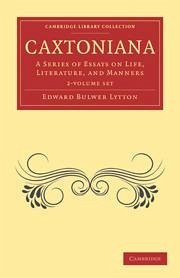
Caxtoniana 2 Volume Paperback Set
A Series of Essays on Life, Literature, and Manners
Edward Bulwer Lytton
Caxtoniana 2 Volume Paperback Set
A Series of Essays on Life, Literature, and Manners
- Broschiertes Buch
- Merkliste
- Auf die Merkliste
- Bewerten Bewerten
- Teilen
- Produkt teilen
- Produkterinnerung
- Produkterinnerung
An 1863 collection of essays on morality, literary style, psychology, politics and readership by hugely popular Victorian novelist Bulwer Lytton.
Andere Kunden interessierten sich auch für
William ShakespeareThe Bowdler Shakespeare 6 Volume Paperback Set358,99 €
William ShakespeareThe Henry Irving Shakespeare 8 Volume Paperback Set405,99 €
John Dover Wilson (General editor)The Cambridge Library Collection Shakespeare Set 39 Volume Paperback Set1.105,99 €
Susanna MoodieRoughing It in the Bush 2 Volume Paperback Set79,99 €
D H LawrenceThe Letters of D. H. Lawrence 8 Volume Set in 9 Paperback Pieces725,99 €
Aeschyli Tragoediae Quae Supersunt 4 Volume Paperback Set320,99 €
Rudyard KiplingThe Cambridge Edition of the Poems of Rudyard Kipling 3 Volume Hardback Set415,99 €-
-
-
An 1863 collection of essays on morality, literary style, psychology, politics and readership by hugely popular Victorian novelist Bulwer Lytton.
Produktdetails
- Produktdetails
- Verlag: Cambridge University Press
- Erscheinungstermin: 2. Juni 2011
- Englisch
- Abmessung: 219mm x 146mm x 47mm
- Gewicht: 814g
- ISBN-13: 9781108072809
- ISBN-10: 1108072801
- Artikelnr.: 34571791
- Herstellerkennzeichnung
- Libri GmbH
- Europaallee 1
- 36244 Bad Hersfeld
- gpsr@libri.de
- Verlag: Cambridge University Press
- Erscheinungstermin: 2. Juni 2011
- Englisch
- Abmessung: 219mm x 146mm x 47mm
- Gewicht: 814g
- ISBN-13: 9781108072809
- ISBN-10: 1108072801
- Artikelnr.: 34571791
- Herstellerkennzeichnung
- Libri GmbH
- Europaallee 1
- 36244 Bad Hersfeld
- gpsr@libri.de
Volume 1: 1. On the increased attention to outward nature in the decline of life
2. On the differences between the urban and rural temperament
3. On monotony in occupation as a source of happiness
4. On the normal clairvoyance of the imagination
5. On intellectual conduct as distinct from moral: the 'superior man'
6. On shyness
7. On the management of money (addressed chiefly to the young)
8. On rhythm in prose, as conducive to precision and clearness
9. On style and diction
10. Hints on moral culture
11. On the moral effect of writers
12. On the distinction between active thought and reverie
13. On the spirit in which new theories should be received
14. On essay-writing in general, and these essays in particular
15. The sanguine temperament
16. The organ of weight
17. The sympathetic temperament
18. Faith and charity
or, the union, in practical life, of sincerity and conciliation
19. Upon the efficacy of praise (in supplement to the preceding essay)
20. On self-control
21. The modern misanthrope. Volume 2: 1. On the increased attention to outward nature in the decline of life
2. On the differences between the urban and rural temperament
3. On monotony in occupation as a source of happiness
4. On the normal clairvoyance of the imagination
5. On intellectual conduct as distinct from moral: the 'superior man'
6. On shyness
7. On the management of money (addressed chiefly to the young)
8. On rhythm in prose, as conducive to precision and clearness
9. On style and diction
10. Hints on moral culture
11. On the moral effect of writers
12. On the distinction between active thought and reverie
13. On the spirit in which new theories should be received
14. On essay-writing in general, and these essays in particular
15. The sanguine temperament
16. The organ of weight
17. The sympathetic temperament
18. Faith and charity
or, the union, in practical life, of sincerity and conciliation
19. Upon the efficacy of praise (in supplement to the preceding essay)
20. On self-control
21. The modern misanthrope.
2. On the differences between the urban and rural temperament
3. On monotony in occupation as a source of happiness
4. On the normal clairvoyance of the imagination
5. On intellectual conduct as distinct from moral: the 'superior man'
6. On shyness
7. On the management of money (addressed chiefly to the young)
8. On rhythm in prose, as conducive to precision and clearness
9. On style and diction
10. Hints on moral culture
11. On the moral effect of writers
12. On the distinction between active thought and reverie
13. On the spirit in which new theories should be received
14. On essay-writing in general, and these essays in particular
15. The sanguine temperament
16. The organ of weight
17. The sympathetic temperament
18. Faith and charity
or, the union, in practical life, of sincerity and conciliation
19. Upon the efficacy of praise (in supplement to the preceding essay)
20. On self-control
21. The modern misanthrope. Volume 2: 1. On the increased attention to outward nature in the decline of life
2. On the differences between the urban and rural temperament
3. On monotony in occupation as a source of happiness
4. On the normal clairvoyance of the imagination
5. On intellectual conduct as distinct from moral: the 'superior man'
6. On shyness
7. On the management of money (addressed chiefly to the young)
8. On rhythm in prose, as conducive to precision and clearness
9. On style and diction
10. Hints on moral culture
11. On the moral effect of writers
12. On the distinction between active thought and reverie
13. On the spirit in which new theories should be received
14. On essay-writing in general, and these essays in particular
15. The sanguine temperament
16. The organ of weight
17. The sympathetic temperament
18. Faith and charity
or, the union, in practical life, of sincerity and conciliation
19. Upon the efficacy of praise (in supplement to the preceding essay)
20. On self-control
21. The modern misanthrope.
Volume 1: 1. On the increased attention to outward nature in the decline of life
2. On the differences between the urban and rural temperament
3. On monotony in occupation as a source of happiness
4. On the normal clairvoyance of the imagination
5. On intellectual conduct as distinct from moral: the 'superior man'
6. On shyness
7. On the management of money (addressed chiefly to the young)
8. On rhythm in prose, as conducive to precision and clearness
9. On style and diction
10. Hints on moral culture
11. On the moral effect of writers
12. On the distinction between active thought and reverie
13. On the spirit in which new theories should be received
14. On essay-writing in general, and these essays in particular
15. The sanguine temperament
16. The organ of weight
17. The sympathetic temperament
18. Faith and charity
or, the union, in practical life, of sincerity and conciliation
19. Upon the efficacy of praise (in supplement to the preceding essay)
20. On self-control
21. The modern misanthrope. Volume 2: 1. On the increased attention to outward nature in the decline of life
2. On the differences between the urban and rural temperament
3. On monotony in occupation as a source of happiness
4. On the normal clairvoyance of the imagination
5. On intellectual conduct as distinct from moral: the 'superior man'
6. On shyness
7. On the management of money (addressed chiefly to the young)
8. On rhythm in prose, as conducive to precision and clearness
9. On style and diction
10. Hints on moral culture
11. On the moral effect of writers
12. On the distinction between active thought and reverie
13. On the spirit in which new theories should be received
14. On essay-writing in general, and these essays in particular
15. The sanguine temperament
16. The organ of weight
17. The sympathetic temperament
18. Faith and charity
or, the union, in practical life, of sincerity and conciliation
19. Upon the efficacy of praise (in supplement to the preceding essay)
20. On self-control
21. The modern misanthrope.
2. On the differences between the urban and rural temperament
3. On monotony in occupation as a source of happiness
4. On the normal clairvoyance of the imagination
5. On intellectual conduct as distinct from moral: the 'superior man'
6. On shyness
7. On the management of money (addressed chiefly to the young)
8. On rhythm in prose, as conducive to precision and clearness
9. On style and diction
10. Hints on moral culture
11. On the moral effect of writers
12. On the distinction between active thought and reverie
13. On the spirit in which new theories should be received
14. On essay-writing in general, and these essays in particular
15. The sanguine temperament
16. The organ of weight
17. The sympathetic temperament
18. Faith and charity
or, the union, in practical life, of sincerity and conciliation
19. Upon the efficacy of praise (in supplement to the preceding essay)
20. On self-control
21. The modern misanthrope. Volume 2: 1. On the increased attention to outward nature in the decline of life
2. On the differences between the urban and rural temperament
3. On monotony in occupation as a source of happiness
4. On the normal clairvoyance of the imagination
5. On intellectual conduct as distinct from moral: the 'superior man'
6. On shyness
7. On the management of money (addressed chiefly to the young)
8. On rhythm in prose, as conducive to precision and clearness
9. On style and diction
10. Hints on moral culture
11. On the moral effect of writers
12. On the distinction between active thought and reverie
13. On the spirit in which new theories should be received
14. On essay-writing in general, and these essays in particular
15. The sanguine temperament
16. The organ of weight
17. The sympathetic temperament
18. Faith and charity
or, the union, in practical life, of sincerity and conciliation
19. Upon the efficacy of praise (in supplement to the preceding essay)
20. On self-control
21. The modern misanthrope.