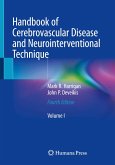
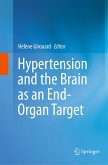
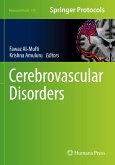
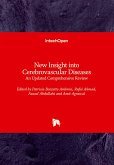
Prevention, diagnosis and treatment are the watchwords in stroke research, for basic neuroscientists and clinicians alike. This 2002 book, from the 22nd Princeton Conference on Cerebrovascular Disease, contains contributions from outstanding investigators on numerous topics in stroke research. The contents cover the status and future directions of stroke pathophysiology, diagnosis and treatment, with special emphasis on the molecular and cellular mechanisms of ischaemic cell death and repair, and clinical issues including imaging, risk factors and therapeutic strategies in stroke. Available in…mehr
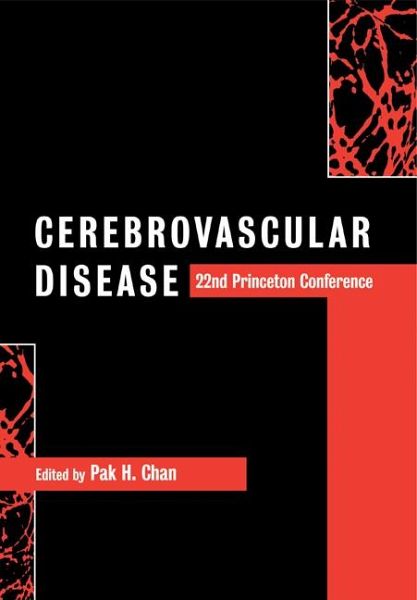
Prevention, diagnosis and treatment are the watchwords in stroke research, for basic neuroscientists and clinicians alike. This 2002 book, from the 22nd Princeton Conference on Cerebrovascular Disease, contains contributions from outstanding investigators on numerous topics in stroke research. The contents cover the status and future directions of stroke pathophysiology, diagnosis and treatment, with special emphasis on the molecular and cellular mechanisms of ischaemic cell death and repair, and clinical issues including imaging, risk factors and therapeutic strategies in stroke. Available in both print and online formats, this survey of the basic and clinical science of stroke is an essential resource for all involved in advancing knowledge of cerebrovascular disease.
Part I: 1. Zinc toxicity in the ischemic brain; 1. 2. Central nervous system ischemia: diversity among the caspases; Part II: 3. Peroxynirite and injury to the vasculature and central nervous system in stroke and neurodegeneration; 4. Interaction between inducible nitric oxide and cyclooxygenase-2 in ischemic brain injury; 5. Mechanisms of ischemic tolerance; 6. Clinically-tolerated NMDA receptor antagonists and newly cloned NMDA receptor subunits that mimic them; Part III: 7. Cell death programs in neutral development and disease; 8. Apoptotic gene expression in brain Ischemia and ischemic tolerance; 9. Cellular mechanisms of white matter ischemia: what can we learn from culture models?; Part IV: 10. Astrocytes in ischemic stroke; 11. Aquaporin-4 water channels and brain edema; 12. Neuroprotection with tetracyclines in brain ischemia models; 13. Spreading depression: a teleologic means for self-protection from brain ischemia; Part V: 14. The role of matrix metalloproteinases and urokinase in blood-brain barrier damage with thrombolysis; 15. Does brain nitric oxide generation influence tissue oxygenation after severe human subarachnoid hemorrhage?; 16. Tissue plasminogen activator and hemorrhagic brain injury; 17. Dynamics of infarct evolution after permanent and transient focal brain ischemia in mice; Part VI: 18. Inflammation and stroke: benefits or harm?; 19. TNF-a and ceramide are involved in the mediation of neuronal tolerance to brain ischemia; 20. Sites and mechanisms of IL-1 action in ischemic and excitotoxic brain damage; 21. Protease generation, inflammation and cerebral microvascular activation; Part VII: 22. Adenoviral vectors for gene therapy in stroke; 23. Gene transfer of glial cell line-derived neurotrophic factor prevents ischemic brain injury; 24. Vasomotor effects of nitric oxide, superoxide dismutases and calcitonin gene-related peptide; Part VIII: 25. Transplantation of neural stem cells: cellular and gene therapy in pediatric hypoxic-ischemic brain injury; 26. Neural plasticity after cerebral ischemia; 27. Environmental effects on recovery after stroke; Part IX: 28. Magnetic resonance imaging in stroke trials; 29. Disappearing deficits and disappearing lesions: diffusion/perfusion MRI in TIA and intra-arterial thrombolysis; 30. Diffusion and perfusion magnetic resonance imaging in the evaluation of acute ischemic stroke; 31. Early recanalization in acute ischemic stroke saves tissue at risk defined by stroke magnetic resonance imaging; Part X: 32. Vascular factors in Alzheimer's disease; 33. Beyond neuroprotection: the protection of axons and oligodendrocytes in cerebral ischemia; 34. Combining neuroprotection with thrombolysis: how to translate laboratory success to our clinical trials; 35. Prospects for improved neuroprotection trials in stroke; 36. Basic research and stroke therapeutics: what have we learned?
Part I: 1. Zinc toxicity in the ischemic brain; 1. 2. Central nervous system ischemia: diversity among the caspases; Part II: 3. Peroxynirite and injury to the vasculature and central nervous system in stroke and neurodegeneration; 4. Interaction between inducible nitric oxide and cyclooxygenase-2 in ischemic brain injury; 5. Mechanisms of ischemic tolerance; 6. Clinically-tolerated NMDA receptor antagonists and newly cloned NMDA receptor subunits that mimic them; Part III: 7. Cell death programs in neutral development and disease; 8. Apoptotic gene expression in brain Ischemia and ischemic tolerance; 9. Cellular mechanisms of white matter ischemia: what can we learn from culture models?; Part IV: 10. Astrocytes in ischemic stroke; 11. Aquaporin-4 water channels and brain edema; 12. Neuroprotection with tetracyclines in brain ischemia models; 13. Spreading depression: a teleologic means for self-protection from brain ischemia; Part V: 14. The role of matrix metalloproteinases and urokinase in blood-brain barrier damage with thrombolysis; 15. Does brain nitric oxide generation influence tissue oxygenation after severe human subarachnoid hemorrhage?; 16. Tissue plasminogen activator and hemorrhagic brain injury; 17. Dynamics of infarct evolution after permanent and transient focal brain ischemia in mice; Part VI: 18. Inflammation and stroke: benefits or harm?; 19. TNF-a and ceramide are involved in the mediation of neuronal tolerance to brain ischemia; 20. Sites and mechanisms of IL-1 action in ischemic and excitotoxic brain damage; 21. Protease generation, inflammation and cerebral microvascular activation; Part VII: 22. Adenoviral vectors for gene therapy in stroke; 23. Gene transfer of glial cell line-derived neurotrophic factor prevents ischemic brain injury; 24. Vasomotor effects of nitric oxide, superoxide dismutases and calcitonin gene-related peptide; Part VIII: 25. Transplantation of neural stem cells: cellular and gene therapy in pediatric hypoxic-ischemic brain injury; 26. Neural plasticity after cerebral ischemia; 27. Environmental effects on recovery after stroke; Part IX: 28. Magnetic resonance imaging in stroke trials; 29. Disappearing deficits and disappearing lesions: diffusion/perfusion MRI in TIA and intra-arterial thrombolysis; 30. Diffusion and perfusion magnetic resonance imaging in the evaluation of acute ischemic stroke; 31. Early recanalization in acute ischemic stroke saves tissue at risk defined by stroke magnetic resonance imaging; Part X: 32. Vascular factors in Alzheimer's disease; 33. Beyond neuroprotection: the protection of axons and oligodendrocytes in cerebral ischemia; 34. Combining neuroprotection with thrombolysis: how to translate laboratory success to our clinical trials; 35. Prospects for improved neuroprotection trials in stroke; 36. Basic research and stroke therapeutics: what have we learned?
Es gelten unsere Allgemeinen Geschäftsbedingungen: www.buecher.de/agb
Impressum
www.buecher.de ist ein Internetauftritt der buecher.de internetstores GmbH
Geschäftsführung: Monica Sawhney | Roland Kölbl | Günter Hilger
Sitz der Gesellschaft: Batheyer Straße 115 - 117, 58099 Hagen
Postanschrift: Bürgermeister-Wegele-Str. 12, 86167 Augsburg
Amtsgericht Hagen HRB 13257
Steuernummer: 321/5800/1497
USt-IdNr: DE450055826