
Andere Kunden interessierten sich auch für
 Giulio Cesare Vanini e i Suoi Tempi, Cenno Biogr.-Storico17,99 €
 The Life of Cesare Borgia22,99 €
") Giulio Cesare Vanini E I Suoi Tempi Cenno Biografico-Storico (1878)21,99 €
Giulio Cesare Vanini E I Suoi Tempi Cenno Biografico-Storico (1878)21,99 € The Life of Cesare Borgia: Biography of the Prince8,99 €
") Meditazioni Storiche (1855)41,99 €
Meditazioni Storiche (1855)41,99 € The Life of Cesare Cardinal Baronius: Of the Roman Oratory25,99 €
 Cesare Borgia: Iseult of Brittany, The Toy Cart20,99 €







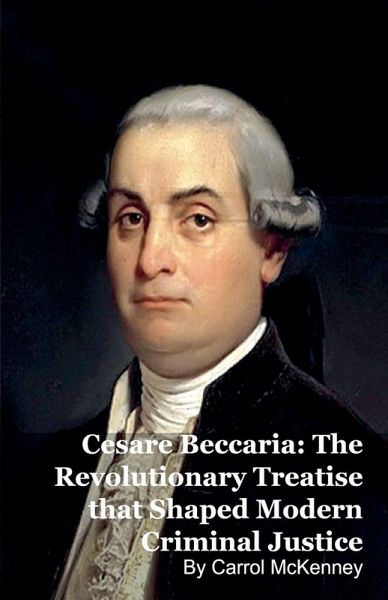
In 1764, a shy 26-year-old Italian nobleman published an anonymous treatise that would transform criminal justice worldwide. Cesare Beccaria's On Crimes and Punishments challenged centuries of brutal practice-torture, public executions, arbitrary sentencing-with radical Enlightenment principles: punishment should prevent crime, not exact vengeance; it should be proportionate, certain, and humane; torture produces false confessions; capital punishment is unnecessary and counterproductive. This comprehensive intellectual history traces Beccaria's revolutionary ideas from 18th-century Milan through 250 years of global influence. It examines his utilitarian philosophy, his impact on European reformers from Voltaire to Napoleon, his shaping of the U.S. Constitution's protections, and his arguments against both retributivist and consequentialist grounds. The book explores both triumphs-the abolition of judicial torture, constitutional rights, sentencing reform-and failures-mass incarceration, torture's 21st-century return, capital punishment's persistence. Combining legal history, philosophy, and contemporary policy analysis, this work shows how Enlightenment principles continue shaping modern debates about sentencing guidelines, proportionality, terrorism interrogation, and prison reform. Beccaria's vision of rational, humane criminal justice remains powerfully relevant yet profoundly unfinished in today's world.