
Changing Emotions
Herausgeber: Hermans, Dirk; Mesquita, Batja; Rimé, Bernard
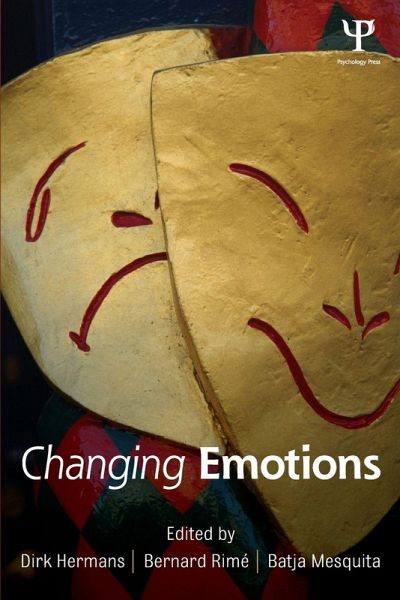
Changing Emotions
Herausgeber: Hermans, Dirk; Mesquita, Batja; Rimé, Bernard
- Broschiertes Buch
- Merkliste
- Auf die Merkliste
- Bewerten Bewerten
- Teilen
- Produkt teilen
- Produkterinnerung
- Produkterinnerung
Changing Emotions provides a comprehensive guide for understanding how and why emotions change.
Andere Kunden interessierten sich auch für
 Marilyn ColemanChanging Families, Changing Responsibilities47,99 €
 Emotions in Social Psychology81,99 €
 Diane M. Mackie (ed.)From Prejudice to Intergroup Emotions65,99 €
 Emotions83,99 €
 Emotions in Ideal Human Development70,99 €
 Mark H. AnshelIntervention Strategies for Changing Health Behavior69,99 €
 Jennifer L. RoweWho Am I Now? The Ever-changing Role of the Caregiver. A booklet for caregivers, family, and friends17,99 €
-
-
-







Changing Emotions provides a comprehensive guide for understanding how and why emotions change.
Produktdetails
- Produktdetails
- Verlag: Psychology Press
- Seitenzahl: 252
- Erscheinungstermin: 21. Februar 2013
- Englisch
- Abmessung: 234mm x 156mm x 14mm
- Gewicht: 389g
- ISBN-13: 9781848721364
- ISBN-10: 1848721366
- Artikelnr.: 36075414
- Herstellerkennzeichnung
- Libri GmbH
- Europaallee 1
- 36244 Bad Hersfeld
- gpsr@libri.de
- Verlag: Psychology Press
- Seitenzahl: 252
- Erscheinungstermin: 21. Februar 2013
- Englisch
- Abmessung: 234mm x 156mm x 14mm
- Gewicht: 389g
- ISBN-13: 9781848721364
- ISBN-10: 1848721366
- Artikelnr.: 36075414
- Herstellerkennzeichnung
- Libri GmbH
- Europaallee 1
- 36244 Bad Hersfeld
- gpsr@libri.de
Dirk Hermans is Professor and the Director of the Center for the Psychology of Learning and Experimental Psychopathology at University of Leuven, Belgium. His work focuses on associative learning and fear, autobiographical memory, and the study of the automatic affective processing of stimuli. Bernard Rimé is Emeritus and Invited Professor at the University of Louvain at Louvain-la-Neuve in Belgium and is a Past President of the International Society for Research on Emotion (ISRE) and of the Belgian Psychological Society. His research examines how emotional episodes stimulate interpersonal and collective communication as well as the consequences of sharing emotions with others. Batja Mesquita is a Professor and the Director of the Center for Social and Cultural Psychology at the University of Leuven, Belgium. Her work focuses on the cultural and social constituents of emotion and emotion regulation. She is currently a Senior Editor for Psychological Science.
Hermans
Rimé
& Mesquita Preface. Lifespan perspective: Levine
Kaplan & Davis
How kids keep their cool: Young children's use of cognitive strategies to regulate emotion. Fivush
Defining and regulating the self through emotion narratives. Eisenberg
Spinrad & Betkowski
Age-related changes in empathy-related responding. Camras & Shuster
Children's expressive behavior in different cultural contexts. English & Carstensen
Age differences in emotional experience and regulation. Marc & Woltering
Changing the neural mechanism in of emotion regulation in children with behavior problems. Learning perspective: Mineka
Individual differences in the acquisition of fears. Craske & Vervliet
Extinction learning and its retrieval. Nelson
Mechanisms of extinction in emotional regulation. Hermans & Baeyens
Generalization as a basis for emotional change: perceptual and non-perceptual processes. de Jong
Learning mechanisms in the acquisition and maintenance of disgust. Richardson
Callaghan
& Li
Preclinical analysis of developmental transitions in the extinction of learned fear: From infancy through adolescence to adulthood. Social-cultural perspective: Rimé
Can socially sharing emotions change emotions? Yzerbyt & Kuppens
Group-based appraisals to group-based emotions: The key role of social interactions. Levenson & McCarter
Couples emotion and emotion regulation. Paez
Espinosa & Bobowik
Emotional climate. Tsai
Dynamics of ideal affect. Deleersnyder & Mesquita
Emotional acculturation. Emotional dynamics perspective: Frijda
Emotion regulation: two souls in one breast. Moors
Understanding emotion change requires understanding emotion causation. Fredrickson
Learning to self-generate positive emotions. Ochsner
The role of control in emotion
emotion regulation and empathy. Thiruchselvam & Gross
What time can tell us: the temporal dynamics of emotion regulation. Van Mechelen
Verduyn
& Brans
The duration of emotional episodes. Intervention perspective: Pennebaker
Can expressive writing change emotions? An oblique answer to a misguided question. Holmes & Pictet
The powerful impact of mental imagery in changing emotions. Watkins
Cognitive mechanisms involved in therapeutic change for depression: reducing abstraction and increasing specificity. Barnes-Holmes & Hughes
A functional approach to the study of human emotion: the centrality of relational/propositional processes. Strauman
Klenk
& Eddington
Self-regulation as a mediator of change in psychotherapy. Philippot & Heeren
Mindfulness-based interventions: The dialectic of changing emotion by accepting them. Les Greenberg
Postscript.
Rimé
& Mesquita Preface. Lifespan perspective: Levine
Kaplan & Davis
How kids keep their cool: Young children's use of cognitive strategies to regulate emotion. Fivush
Defining and regulating the self through emotion narratives. Eisenberg
Spinrad & Betkowski
Age-related changes in empathy-related responding. Camras & Shuster
Children's expressive behavior in different cultural contexts. English & Carstensen
Age differences in emotional experience and regulation. Marc & Woltering
Changing the neural mechanism in of emotion regulation in children with behavior problems. Learning perspective: Mineka
Individual differences in the acquisition of fears. Craske & Vervliet
Extinction learning and its retrieval. Nelson
Mechanisms of extinction in emotional regulation. Hermans & Baeyens
Generalization as a basis for emotional change: perceptual and non-perceptual processes. de Jong
Learning mechanisms in the acquisition and maintenance of disgust. Richardson
Callaghan
& Li
Preclinical analysis of developmental transitions in the extinction of learned fear: From infancy through adolescence to adulthood. Social-cultural perspective: Rimé
Can socially sharing emotions change emotions? Yzerbyt & Kuppens
Group-based appraisals to group-based emotions: The key role of social interactions. Levenson & McCarter
Couples emotion and emotion regulation. Paez
Espinosa & Bobowik
Emotional climate. Tsai
Dynamics of ideal affect. Deleersnyder & Mesquita
Emotional acculturation. Emotional dynamics perspective: Frijda
Emotion regulation: two souls in one breast. Moors
Understanding emotion change requires understanding emotion causation. Fredrickson
Learning to self-generate positive emotions. Ochsner
The role of control in emotion
emotion regulation and empathy. Thiruchselvam & Gross
What time can tell us: the temporal dynamics of emotion regulation. Van Mechelen
Verduyn
& Brans
The duration of emotional episodes. Intervention perspective: Pennebaker
Can expressive writing change emotions? An oblique answer to a misguided question. Holmes & Pictet
The powerful impact of mental imagery in changing emotions. Watkins
Cognitive mechanisms involved in therapeutic change for depression: reducing abstraction and increasing specificity. Barnes-Holmes & Hughes
A functional approach to the study of human emotion: the centrality of relational/propositional processes. Strauman
Klenk
& Eddington
Self-regulation as a mediator of change in psychotherapy. Philippot & Heeren
Mindfulness-based interventions: The dialectic of changing emotion by accepting them. Les Greenberg
Postscript.
Hermans
Rimé
& Mesquita Preface. Lifespan perspective: Levine
Kaplan & Davis
How kids keep their cool: Young children's use of cognitive strategies to regulate emotion. Fivush
Defining and regulating the self through emotion narratives. Eisenberg
Spinrad & Betkowski
Age-related changes in empathy-related responding. Camras & Shuster
Children's expressive behavior in different cultural contexts. English & Carstensen
Age differences in emotional experience and regulation. Marc & Woltering
Changing the neural mechanism in of emotion regulation in children with behavior problems. Learning perspective: Mineka
Individual differences in the acquisition of fears. Craske & Vervliet
Extinction learning and its retrieval. Nelson
Mechanisms of extinction in emotional regulation. Hermans & Baeyens
Generalization as a basis for emotional change: perceptual and non-perceptual processes. de Jong
Learning mechanisms in the acquisition and maintenance of disgust. Richardson
Callaghan
& Li
Preclinical analysis of developmental transitions in the extinction of learned fear: From infancy through adolescence to adulthood. Social-cultural perspective: Rimé
Can socially sharing emotions change emotions? Yzerbyt & Kuppens
Group-based appraisals to group-based emotions: The key role of social interactions. Levenson & McCarter
Couples emotion and emotion regulation. Paez
Espinosa & Bobowik
Emotional climate. Tsai
Dynamics of ideal affect. Deleersnyder & Mesquita
Emotional acculturation. Emotional dynamics perspective: Frijda
Emotion regulation: two souls in one breast. Moors
Understanding emotion change requires understanding emotion causation. Fredrickson
Learning to self-generate positive emotions. Ochsner
The role of control in emotion
emotion regulation and empathy. Thiruchselvam & Gross
What time can tell us: the temporal dynamics of emotion regulation. Van Mechelen
Verduyn
& Brans
The duration of emotional episodes. Intervention perspective: Pennebaker
Can expressive writing change emotions? An oblique answer to a misguided question. Holmes & Pictet
The powerful impact of mental imagery in changing emotions. Watkins
Cognitive mechanisms involved in therapeutic change for depression: reducing abstraction and increasing specificity. Barnes-Holmes & Hughes
A functional approach to the study of human emotion: the centrality of relational/propositional processes. Strauman
Klenk
& Eddington
Self-regulation as a mediator of change in psychotherapy. Philippot & Heeren
Mindfulness-based interventions: The dialectic of changing emotion by accepting them. Les Greenberg
Postscript.
Rimé
& Mesquita Preface. Lifespan perspective: Levine
Kaplan & Davis
How kids keep their cool: Young children's use of cognitive strategies to regulate emotion. Fivush
Defining and regulating the self through emotion narratives. Eisenberg
Spinrad & Betkowski
Age-related changes in empathy-related responding. Camras & Shuster
Children's expressive behavior in different cultural contexts. English & Carstensen
Age differences in emotional experience and regulation. Marc & Woltering
Changing the neural mechanism in of emotion regulation in children with behavior problems. Learning perspective: Mineka
Individual differences in the acquisition of fears. Craske & Vervliet
Extinction learning and its retrieval. Nelson
Mechanisms of extinction in emotional regulation. Hermans & Baeyens
Generalization as a basis for emotional change: perceptual and non-perceptual processes. de Jong
Learning mechanisms in the acquisition and maintenance of disgust. Richardson
Callaghan
& Li
Preclinical analysis of developmental transitions in the extinction of learned fear: From infancy through adolescence to adulthood. Social-cultural perspective: Rimé
Can socially sharing emotions change emotions? Yzerbyt & Kuppens
Group-based appraisals to group-based emotions: The key role of social interactions. Levenson & McCarter
Couples emotion and emotion regulation. Paez
Espinosa & Bobowik
Emotional climate. Tsai
Dynamics of ideal affect. Deleersnyder & Mesquita
Emotional acculturation. Emotional dynamics perspective: Frijda
Emotion regulation: two souls in one breast. Moors
Understanding emotion change requires understanding emotion causation. Fredrickson
Learning to self-generate positive emotions. Ochsner
The role of control in emotion
emotion regulation and empathy. Thiruchselvam & Gross
What time can tell us: the temporal dynamics of emotion regulation. Van Mechelen
Verduyn
& Brans
The duration of emotional episodes. Intervention perspective: Pennebaker
Can expressive writing change emotions? An oblique answer to a misguided question. Holmes & Pictet
The powerful impact of mental imagery in changing emotions. Watkins
Cognitive mechanisms involved in therapeutic change for depression: reducing abstraction and increasing specificity. Barnes-Holmes & Hughes
A functional approach to the study of human emotion: the centrality of relational/propositional processes. Strauman
Klenk
& Eddington
Self-regulation as a mediator of change in psychotherapy. Philippot & Heeren
Mindfulness-based interventions: The dialectic of changing emotion by accepting them. Les Greenberg
Postscript.