
Andere Kunden interessierten sich auch für
 The Complex PTSD Treatment Manual23,99 €
 Army Nurses with Combat-Related Post-Traumatic Stress Disorder36,99 €
 Shadows of Fatherhood, Jung, and Film152,99 €
 From EMDR to MOSAIC therapy16,99 €
 Fragments of Trauma and the Social Production of Suffering131,99 €
 The Social Life of Children in a Changing Society170,99 €
 Changing Your Life for the Better21,99 €




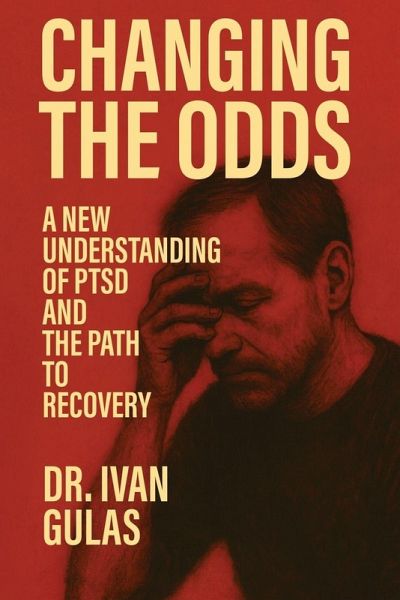
In Changing the Odds: A New Understanding of PTSD, Dr. Ivan Gulas draws on more than fifty years of clinical practice-spanning psychoanalytic training, cognitive-behavioral modalities, neuropsychology, and brain imaging-to introduce a unifying framework that reshapes how PTSD can be understood, treated, and successfully navigated. Through vivid narrative, clinical insight, and neuroscience, Dr. Gulas argues that trauma does more than produce fear. It shatters the brain's internal probability-assessment system-the quiet, invisible mechanism that continuously evaluates risk and allows people to live without constant terror. Trauma forces an instant, catastrophic recalibration: the brain, proven wrong in a moment of mortal danger, overcorrects toward hypervigilance and constant alarm. The result is the condition we call PTSD: not a collection of symptoms, but a disorder of miscalibrated threat assessment affecting memory, emotion, behavior, and the body's survival systems. Through this lens, intrusive memories, avoidance, hypervigilance, triggers, dissociation, and emotional numbing become understandable responses to a system struggling to avoid ever being "wrong" about danger again. This book is neither a treatment manual nor a self-help guide. Instead, it opens a fiercely original window onto the unseen mechanisms that shape trauma and recovery. It explains why certain therapeutic approaches work, why others falter, and what recovery truly looks like: the gradual restoration of trust in a world that once proved catastrophically unsafe. Written for clinicians, trauma survivors, and families, Changing the Odds offers clarity, hope, and a powerful new way of understanding the path to healing.