Andrew Angel briefly reviews the work of Old Testament scholars on the mythological motif of God's battle with the dragon and the chaos waters. He also reviews works that touch on the existence of the motif in the period 515 BCE to 200 CE, noting the need for thorough survey of the motif in Hebrew literature of this period. There follows a study of forty-two Jewish and Christian texts (in Hebrew, Aramaic, Greek and Latin), which establishes the fact that this mythological motif was well known in this period. Angel makes suggestions as to how this might offer fresh insights into the meaning of…mehr
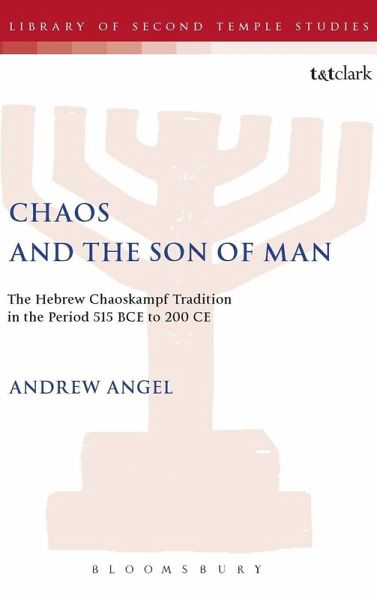
Andrew Angel briefly reviews the work of Old Testament scholars on the mythological motif of God's battle with the dragon and the chaos waters. He also reviews works that touch on the existence of the motif in the period 515 BCE to 200 CE, noting the need for thorough survey of the motif in Hebrew literature of this period. There follows a study of forty-two Jewish and Christian texts (in Hebrew, Aramaic, Greek and Latin), which establishes the fact that this mythological motif was well known in this period. Angel makes suggestions as to how this might offer fresh insights into the meaning of apocalyptic visions and texts that appear to refer to a 'son of man' figure in this period.
Chapter One: Introduction and Survey of Literature An outline of the main thesis of the book; a survey of work on the motif of God's battle with chaos in the Old Testament; a review of literature touching on this motif in the period 515 BCE to 200 CE; summary. Chapter Two: Methodology and Structure An explanation of the methodology used to demonstrate the main thesis of the book and an explanation of its structure. Chapter Three: The Hebrew Chaoskampf Tradition in Qumran texts from 515 BCE to 200 CE A detailed textual analysis of the Chaoskampf motif in fourteen texts: 1QM 12:8-10; 1QHa 10:12-16; 1QHa 10:27-28; 1QHa 11:6-18; 1QHa 11:27-36; 1QHa 14:22-25; 4Q163 25:1-3; 4QCD-A 8:9-12a; 4Q370 1:3-5,8; 4Q381 15:4-5; 4Q416 1:11-12; 4Q437 2:1:10; 4Q504 1-2:3:3; 11Q5 26:9-10a. Chapter Four: The Hebrew Chaoskampf Tradition in Apocryphal and Pseudepigraphical Psalms, Prayers and Wisdom Literature from 515 BCE to 200 CE A detailed textual analysis of the Chaoskampf motif in seven texts: Sirach 43:8-26 (MT & LXX); Prayer of Manasseh 1-4; Psalms of Solomon 2:25-26; Joseph & Aseneth 12:11; Wisdom of Solomon 5:17-23; Wisdom of Solomon 11:18-19. Chapter Five: The Hebrew Chaoskampf Tradition in Apocalyptic Literature, Gospels and Testaments from 515 BCE to 200 CE A detailed textual analysis of the Chaoskampf motif in eight texts, giving new insights into two of Jesus' son of man sayings (Mark 13:24-27; Luke 21:25-28): Daniel 7:2-14; Testament of Judah 21:6-9; Testament of Asher 7:2-3; Testament of Moses 10:1-10; Mark 13:24-27; Luke 21:25-28; 4Ezra 8:20-23; 4Ezra 13:2-13. Chapter Six: The Hebrew Chaoskampf Tradition in Jewish Historiography from 515 BCE to 200 CE A detailed textual analysis of the Chaoskampf motif in thirteen texts: Liber Antiquitatum Biblicarum 9:3, 10:5, 11:5, 15:2, 23:10, 31:1a?2, 32:7-8; Josephus' Antiquities 2:343-344, 3:80, 3:154/159-161/184-185, 5:60, 5:205, 6:27. Chapter Seven: Conclusions A summary of the findings; comments on how these findings affect our understanding of the nature of this mythological tradition in the Second Temple period, of the rise of apocalyptic and certain texts dealing with a son of man figure; recommendations for further research. Appendix: The Hebrew Chaoskampf Tradition in the Septuagint Translation of the Old Testament and the Translation of Chaos Monsters A brief survey of how names for the chaos monsters of the Old Testament were translated and what this can tell us about the translators' understanding of the motif.
Chapter One: Introduction and Survey of Literature An outline of the main thesis of the book; a survey of work on the motif of God's battle with chaos in the Old Testament; a review of literature touching on this motif in the period 515 BCE to 200 CE; summary. Chapter Two: Methodology and Structure An explanation of the methodology used to demonstrate the main thesis of the book and an explanation of its structure. Chapter Three: The Hebrew Chaoskampf Tradition in Qumran texts from 515 BCE to 200 CE A detailed textual analysis of the Chaoskampf motif in fourteen texts: 1QM 12:8-10; 1QHa 10:12-16; 1QHa 10:27-28; 1QHa 11:6-18; 1QHa 11:27-36; 1QHa 14:22-25; 4Q163 25:1-3; 4QCD-A 8:9-12a; 4Q370 1:3-5,8; 4Q381 15:4-5; 4Q416 1:11-12; 4Q437 2:1:10; 4Q504 1-2:3:3; 11Q5 26:9-10a. Chapter Four: The Hebrew Chaoskampf Tradition in Apocryphal and Pseudepigraphical Psalms, Prayers and Wisdom Literature from 515 BCE to 200 CE A detailed textual analysis of the Chaoskampf motif in seven texts: Sirach 43:8-26 (MT & LXX); Prayer of Manasseh 1-4; Psalms of Solomon 2:25-26; Joseph & Aseneth 12:11; Wisdom of Solomon 5:17-23; Wisdom of Solomon 11:18-19. Chapter Five: The Hebrew Chaoskampf Tradition in Apocalyptic Literature, Gospels and Testaments from 515 BCE to 200 CE A detailed textual analysis of the Chaoskampf motif in eight texts, giving new insights into two of Jesus' son of man sayings (Mark 13:24-27; Luke 21:25-28): Daniel 7:2-14; Testament of Judah 21:6-9; Testament of Asher 7:2-3; Testament of Moses 10:1-10; Mark 13:24-27; Luke 21:25-28; 4Ezra 8:20-23; 4Ezra 13:2-13. Chapter Six: The Hebrew Chaoskampf Tradition in Jewish Historiography from 515 BCE to 200 CE A detailed textual analysis of the Chaoskampf motif in thirteen texts: Liber Antiquitatum Biblicarum 9:3, 10:5, 11:5, 15:2, 23:10, 31:1a?2, 32:7-8; Josephus' Antiquities 2:343-344, 3:80, 3:154/159-161/184-185, 5:60, 5:205, 6:27. Chapter Seven: Conclusions A summary of the findings; comments on how these findings affect our understanding of the nature of this mythological tradition in the Second Temple period, of the rise of apocalyptic and certain texts dealing with a son of man figure; recommendations for further research. Appendix: The Hebrew Chaoskampf Tradition in the Septuagint Translation of the Old Testament and the Translation of Chaos Monsters A brief survey of how names for the chaos monsters of the Old Testament were translated and what this can tell us about the translators' understanding of the motif.
Es gelten unsere Allgemeinen Geschäftsbedingungen: www.buecher.de/agb
Impressum
www.buecher.de ist ein Internetauftritt der buecher.de internetstores GmbH
Geschäftsführung: Monica Sawhney | Roland Kölbl | Günter Hilger
Sitz der Gesellschaft: Batheyer Straße 115 - 117, 58099 Hagen
Postanschrift: Bürgermeister-Wegele-Str. 12, 86167 Augsburg
Amtsgericht Hagen HRB 13257
Steuernummer: 321/5800/1497
USt-IdNr: DE450055826