

Andere Kunden interessierten sich auch für
") Brodsky Through the Eyes of His Contemporaries (Vol 2)118,99 €
Brodsky Through the Eyes of His Contemporaries (Vol 2)118,99 € Russian Modernism103,99 €
 The Development of Russian Verse111,99 €
 Dostoyevsky and the Process of Literary Creation95,99 €
 A Sportsman's Sketches; Volume 132,99 €
 Between Crisis and Catastrophe33,99 €
 Jews in Russian Literature after the October Revolution112,99 €
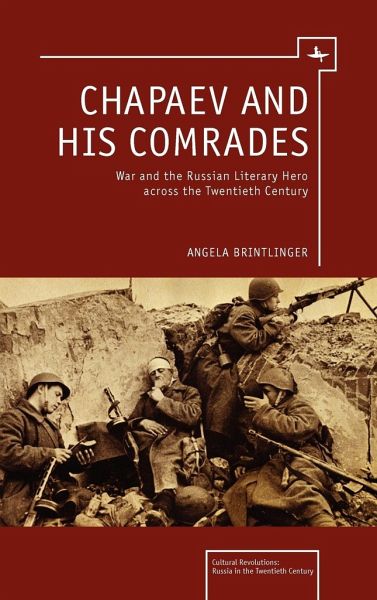
Across the twentieth century, the Russian literary hero remained central to Russian fiction and frequently "battled" one enemy or another, whether on the battlefield or on a civilian front. War was the experience of the Russian people, and it became a dominant trope to represent the Soviet experience in literature as well as other areas of cultural life. This book traces those war experiences, memories, tropes, and metaphors in the literature of the Soviet and post-Soviet period, examining the work of Dmitry Furmanov, Fyodor Gladkov, Alexander Tvardovsky, Emmanuil Kazakevich, Vera Panova, Viktor Nekrasov, Alexander Solzhenitsyn, Vladimir Voinovich, Sergei Dovlatov, Vladimir Makanin, Viktor Astafiev, Viktor Pelevin, and Vasily Aksyonov. These authors represented official Soviet literature and underground or dissident literature; they fell into and out of favor, were exiled and returned to Russia, died at home and abroad. Most importantly, they were all touched by war, and they reacted to the state of war in their literary works.