41,99 €
inkl. MwSt.
Versandkostenfrei*Erscheint vorauss. 28. Februar 2026
Melden Sie sich
hier
hier
für den Produktalarm an, um über die Verfügbarkeit des Produkts informiert zu werden.

21 °P sammeln
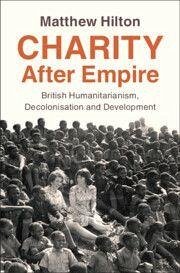
Why did charity become the outlet for global compassion? Charity After Empire traces the history of humanitarian agencies such as Oxfam, Save the Children and Christian Aid. It shows how they obtained a permanent presence in the alleviation of global poverty, why they were supported by the public and how they were embraced by governments in Britain and across Africa. Through several fascinating life stories and illuminating case studies across the UK and in countries such as Botswana, Zimbabwe and Kenya, Hilton explains how the racial politics of Southern Africa shaped not only the history of international aid but also the meaning of charity and its role in the alleviation of poverty both at home and abroad. In doing so, he makes a powerful case for the importance of charity in the shaping of modern Britain over the extended decades of decolonization in the latter half of the twentieth century.