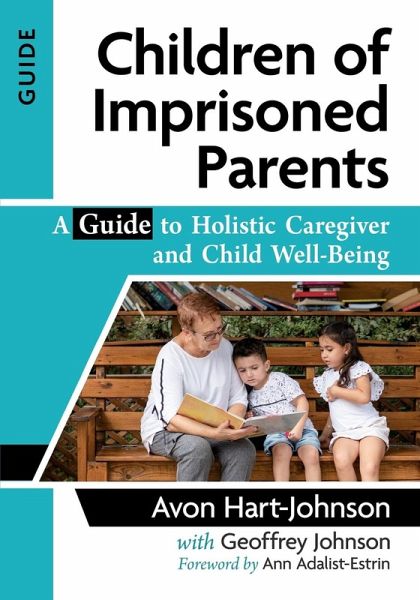
For too long, the adverse impacts of parental incarceration have remained in the shadows. This book and its companion workbook, Children of Imprisoned Parents: A Workbook for Holistic Caregiver and Child Well-Being (ISBN 978-1-4766-8717-9), illuminate the hidden challenges, helping caregivers to understand children's stress-response systems and enabling them to recognize how anxiety and grief may manifest in a child's daily behaviors. How do you recover from the pain of telling children mistruths about parental arrest and imprisonment? How does parental incarceration affect child development…mehr
For too long, the adverse impacts of parental incarceration have remained in the shadows. This book and its companion workbook, Children of Imprisoned Parents: A Workbook for Holistic Caregiver and Child Well-Being (ISBN 978-1-4766-8717-9), illuminate the hidden challenges, helping caregivers to understand children's stress-response systems and enabling them to recognize how anxiety and grief may manifest in a child's daily behaviors. How do you recover from the pain of telling children mistruths about parental arrest and imprisonment? How does parental incarceration affect child development and the body-brain connection? Are children of incarcerated parents prone to incarceration themselves? With sensitivity and clarity, the authors address a range of questions including such tough topics as adverse childhood experiences (ACEs), trauma, childhood suicide ideation, and grief and loss. Readers will find evidence-based, trauma-informed interventions and practical tools to promote coping, emotional regulation, and stress reduction. Trauma-responsive and healing-centered approaches empower caregivers and their children to thrive in the face of daunting challenges.
Avon Hart-Johnson ¿is an adjunct professor and scholar at Walden University and has published several articles on the subject of this book. She is the President and Co-founder of DC Project Connect (DCPC) and serves on the International Coalition of Children with Incarcerated Parents as an active advocate for social change. She lives in Bowie, Maryland.
Inhaltsangabe
Table of Contents Foreword by Ann Adalist-Estrin Preface Introduction Part I. Caregiving and Loss Chapter 1. Caregivers, Put on Your Oxygen Mask, First Caregivers of Children with Incarcerated Parents The Watchful Eye of the Caregiver Non-Kinship Caregivers Unexpected Caregiving The Gatekeepers Silver Linings of Hope and Resilience Don't Go It Alone: Support Systems Summary Chapter 2. Parental Incarceration: Does My Loss Even Matter? Maternal Incarceration: Connecting the Bars Children Grieve Dads, Too A Non-Death Loss: Arrested and Incarcerated When Parents Go Missing, It's Similar to Death Grief, Depression, and Covid-19 in Prisons Ask Children How They Feel Summary Part II. Child Development Parental Incarceration Chapter 3. Born in Prison Babies and Incarceration Babies Born in Prison Continuity of Attachment Bonds Conflict: Caregivers and Confined Parents Why It Matters Expected Development (0 to 12 months) A Baby's Goal Is to Survive Enhancing Infant-Caregiver Communication Summary Chapter 4. Toddlers, Temperament, and Prison Visits Skittles, Animal Crackers, and Cheez-Its A Prison Visit Gone Bad After the Visit Why It Matters Expected Development (1 to 3 Years) Curious Toddlers Kiss It and Make It Better! Increasing Comprehension and Receptive Language Skills Summary Supplement 1. Corrections Officers' Perspectives Can Affect the Visit Chapter 5. Throwing Crayons Preschoolers: Questions Matter Emotional Intelligence and "Wh-Questions" Why It Matters Expected Development (3 to 5 Years) The Preschooler's Brain Caring for the Whole Child Explore, Socialize, and Ask: "Why?" Bringing It All Together Summary Chapter 6. "Everyone else had a mom and dad" Parental Incarceration and Stigma Telling the Simple Truth When Children Feel Different Building Self-Image and Positive Identity Why It Matters Expected Development (Age 6 to 10) Brain Development and Comprehension Implications of Parental Incarceration and Behavior on Academics Summary Part III. Superheroes Chapter 7. Caregiver-Child Communication Compassionate Deception Versus Honesty The Incarceration Conversation Principles of Communication (Between the Caregiver and Child) Incarceration Sucks Out the Oxygen in the Room Discussing Big Topics with Children Boundaries and Age-Appropriate Language Managing Family Secrets Summary Chapter 8. Ambiguous Roles and Child Parenting Children's Roles Morphing Into Parental Responsibility Understanding the Parentification of Children All Hands on Deck Culture, Roles, and Responsibility Consequences of Blurred Boundaries Emerge with Childhood Loss Role Disorientation Caregiver Nurturing Roles Summary Chapter 9. Why Are They Still Playing? Importance of Children's Play Playing and Child Development Sad Children Play, Too Play: A Message Play Interventions The Continuity of Play in Prison Spaces Summary Part IV. The Challenges Chapter 10. Risks, Protective Factors, and Child Well-Being Protecting Children How We Got Here The Literature, the Research, and the Realities Family Member Incarceration Risks Fragile Families and Child Well-Being Risk Factors Protective Factors Establishing Strong Community Support Summary Supplement 2. Risks Factor and Protective Factor Detail Strong Support Systems (Extended Family, Informal Networks, School, Community) Chapter 11. ACEs, Trauma, and Triggers Adverse Childhood Experiences (ACES) A Brief History: Adverse Childhood Experiences (ACES) Covid-19 Amid Parental Incarceration and Other Childhood ACEs Trauma and Triggers Toxic Stress and ACEs Post-Traumatic Stress Disorder (PTSD) Be a Superhero: PACES Summary Chapter 12. How Can Young Children Contemplate Suicide? Empower Families with Resilience and Hope Prevalence: Child Mortality Risks Suicide-Related Behaviors Incarceration and Child Suicidal Ideation Reducing Risks in the Home and Prevention Protective Factors, Resilience, and Coping Summary Chapter 13. The Underpinnings of Anger Anger: A Secondary Emotion How the Body Expresses Anger Anger During Infancy? Children of Incarcerated Parents and Anger "This is my father. Why him?" Adaptive and Maladaptive Anger Anger Management Managing Family Matters: Fostering Healing Summary Chapter 14. Stigma, Shame, and Parental Incarceration Shame What Shame Looks and Feels Like Shame and the Brain Guilt Co-Signs Shame Stigma by Association Counteracting Shame, Stigma, and Guilt Responses Focusing on the Action, Not the Child Summary Part V. Silver Linings Chapter 15. "Elpida": Hope and Resilience Assembling the Resilience Puzzle Cultivating Resilience The Tenets of Strength-Based Parenting Reflecting: Guiding Children to Craft Their Narratives Shifting the Paradigm What You Can Do Now It Takes a Village: Getting Support There Are Superheroes Among Us Summary Conclusion Glossary Appendix A. Caregivers Family Relations Assessment and Communication Strategies (C-FRACS) Grounded Theory Appendix B. Case Example, "Ms. O" Appendix C. Attachment Styles Appendix D. Breathing and Body Scan Exercise Appendix E. Communication Styles Appendix F. Big Topics Appendix G. Privacy Domains Appendix H. How About the Details? Appendix I. United States and International Resources References Index
Table of Contents Foreword by Ann Adalist-Estrin Preface Introduction Part I. Caregiving and Loss Chapter 1. Caregivers, Put on Your Oxygen Mask, First Caregivers of Children with Incarcerated Parents The Watchful Eye of the Caregiver Non-Kinship Caregivers Unexpected Caregiving The Gatekeepers Silver Linings of Hope and Resilience Don't Go It Alone: Support Systems Summary Chapter 2. Parental Incarceration: Does My Loss Even Matter? Maternal Incarceration: Connecting the Bars Children Grieve Dads, Too A Non-Death Loss: Arrested and Incarcerated When Parents Go Missing, It's Similar to Death Grief, Depression, and Covid-19 in Prisons Ask Children How They Feel Summary Part II. Child Development Parental Incarceration Chapter 3. Born in Prison Babies and Incarceration Babies Born in Prison Continuity of Attachment Bonds Conflict: Caregivers and Confined Parents Why It Matters Expected Development (0 to 12 months) A Baby's Goal Is to Survive Enhancing Infant-Caregiver Communication Summary Chapter 4. Toddlers, Temperament, and Prison Visits Skittles, Animal Crackers, and Cheez-Its A Prison Visit Gone Bad After the Visit Why It Matters Expected Development (1 to 3 Years) Curious Toddlers Kiss It and Make It Better! Increasing Comprehension and Receptive Language Skills Summary Supplement 1. Corrections Officers' Perspectives Can Affect the Visit Chapter 5. Throwing Crayons Preschoolers: Questions Matter Emotional Intelligence and "Wh-Questions" Why It Matters Expected Development (3 to 5 Years) The Preschooler's Brain Caring for the Whole Child Explore, Socialize, and Ask: "Why?" Bringing It All Together Summary Chapter 6. "Everyone else had a mom and dad" Parental Incarceration and Stigma Telling the Simple Truth When Children Feel Different Building Self-Image and Positive Identity Why It Matters Expected Development (Age 6 to 10) Brain Development and Comprehension Implications of Parental Incarceration and Behavior on Academics Summary Part III. Superheroes Chapter 7. Caregiver-Child Communication Compassionate Deception Versus Honesty The Incarceration Conversation Principles of Communication (Between the Caregiver and Child) Incarceration Sucks Out the Oxygen in the Room Discussing Big Topics with Children Boundaries and Age-Appropriate Language Managing Family Secrets Summary Chapter 8. Ambiguous Roles and Child Parenting Children's Roles Morphing Into Parental Responsibility Understanding the Parentification of Children All Hands on Deck Culture, Roles, and Responsibility Consequences of Blurred Boundaries Emerge with Childhood Loss Role Disorientation Caregiver Nurturing Roles Summary Chapter 9. Why Are They Still Playing? Importance of Children's Play Playing and Child Development Sad Children Play, Too Play: A Message Play Interventions The Continuity of Play in Prison Spaces Summary Part IV. The Challenges Chapter 10. Risks, Protective Factors, and Child Well-Being Protecting Children How We Got Here The Literature, the Research, and the Realities Family Member Incarceration Risks Fragile Families and Child Well-Being Risk Factors Protective Factors Establishing Strong Community Support Summary Supplement 2. Risks Factor and Protective Factor Detail Strong Support Systems (Extended Family, Informal Networks, School, Community) Chapter 11. ACEs, Trauma, and Triggers Adverse Childhood Experiences (ACES) A Brief History: Adverse Childhood Experiences (ACES) Covid-19 Amid Parental Incarceration and Other Childhood ACEs Trauma and Triggers Toxic Stress and ACEs Post-Traumatic Stress Disorder (PTSD) Be a Superhero: PACES Summary Chapter 12. How Can Young Children Contemplate Suicide? Empower Families with Resilience and Hope Prevalence: Child Mortality Risks Suicide-Related Behaviors Incarceration and Child Suicidal Ideation Reducing Risks in the Home and Prevention Protective Factors, Resilience, and Coping Summary Chapter 13. The Underpinnings of Anger Anger: A Secondary Emotion How the Body Expresses Anger Anger During Infancy? Children of Incarcerated Parents and Anger "This is my father. Why him?" Adaptive and Maladaptive Anger Anger Management Managing Family Matters: Fostering Healing Summary Chapter 14. Stigma, Shame, and Parental Incarceration Shame What Shame Looks and Feels Like Shame and the Brain Guilt Co-Signs Shame Stigma by Association Counteracting Shame, Stigma, and Guilt Responses Focusing on the Action, Not the Child Summary Part V. Silver Linings Chapter 15. "Elpida": Hope and Resilience Assembling the Resilience Puzzle Cultivating Resilience The Tenets of Strength-Based Parenting Reflecting: Guiding Children to Craft Their Narratives Shifting the Paradigm What You Can Do Now It Takes a Village: Getting Support There Are Superheroes Among Us Summary Conclusion Glossary Appendix A. Caregivers Family Relations Assessment and Communication Strategies (C-FRACS) Grounded Theory Appendix B. Case Example, "Ms. O" Appendix C. Attachment Styles Appendix D. Breathing and Body Scan Exercise Appendix E. Communication Styles Appendix F. Big Topics Appendix G. Privacy Domains Appendix H. How About the Details? Appendix I. United States and International Resources References Index
Es gelten unsere Allgemeinen Geschäftsbedingungen: www.buecher.de/agb
Impressum
www.buecher.de ist ein Internetauftritt der buecher.de internetstores GmbH
Geschäftsführung: Monica Sawhney | Roland Kölbl | Günter Hilger
Sitz der Gesellschaft: Batheyer Straße 115 - 117, 58099 Hagen
Postanschrift: Bürgermeister-Wegele-Str. 12, 86167 Augsburg
Amtsgericht Hagen HRB 13257
Steuernummer: 321/5800/1497
USt-IdNr: DE450055826